Mami Taniuchi, PhD
Primary Appointment
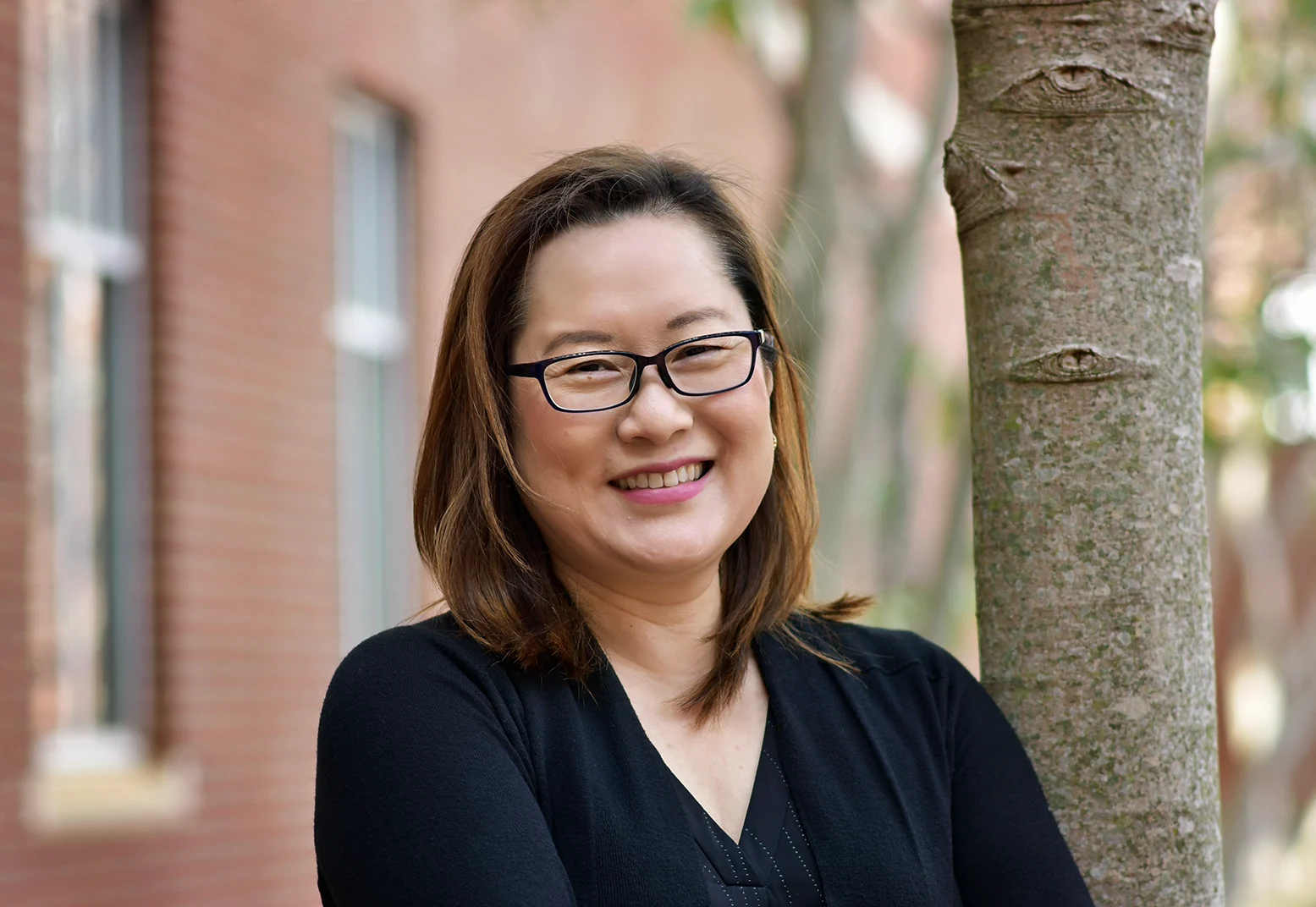
Professor of Medicine: Infectious Diseases
and International Health,
Biomedical Engineering and Civil and Environmental Engineering
Contact
Phone: 434-924-5575
Email: [email protected]
Education and Training
- BSE, Science & Engineering, Duke University
- MS, Biomedical Engineering, University of Virginia
- PhD, Biomedical Engineering, University of Virginia
Research Areas
Environmental Surveillance; Molecular diagnostics; Polio eradication; tracking immunity and virus shedding after oral polio vaccination in resource-challenged countries.
Lab Research
A Phase II Evaluation of the Safety and Protective Efficacy of the Live Attenuated Tetravalent Dengue Vaccine TetraVax-DV with Challenge by the Recombinant DENV-2 Virus in a Dengue Endemic Population. UVA sub: My role is to develop and validate PCR assays to detect Dengue virus for the primary endpoints of the parent clinical trial. Our team will extract RNA from sera samples from the study and then test all the sera samples from the vaccine study for DENV-2 Virus.
Passive Environmental Sampler for Polioviruses II (supplement). During the polio endgame and once the world is certified polio-free, environmental surveillance (ES) will be increasingly important to monitor for silent circulation of polio and to ensure that polio is eradicated. For this investment, we are developing a new generation passive sampler for capturing poliovirus and rapid, sensitive methods to screen the ES samples for polio at the site of collection or a nearby low-resourced lab to screen the ES samples.
Multipathogen Environmental Surveillance in Dhaka. Building on our successful surveillance of SARS-CoV-2 in sewage, we are expanding the sewage surveillance to include other pathogens of public health interest in Dhaka, Bangladesh, and developing multipathogen transmission models to estimate community transmission of infectious diseases. The new surveillance will focus on other vaccine preventable infectious diseases of public health interest like influenza, measles, cholera, and RSV.
Household Transmission of Cryptosporidium. UVA sub will focus on developing a customized enteric TaqMan Array Card and testing diarrheal samples from this study to determine the etiology of diarrhea.
Passive Environmental Sampler for Polioviruses. Development of a new device to capture poliovirus and new CRISPR-based diagnostics for poliovirus. Current methods used for the detection of poliovirus from an environmental sample is culture-based and takes 3 weeks. The main objective is to develop a sensitive method to directly detect the poliovirus from wastewater without culture for surveillance in real-time.
Source attribution and transmission dynamics of Campylobacter and Shigella using culture-independent molecular methods in an urban slum in Dhaka, Bangladesh. Investigation of the sources and routes of transmission for Shigella and Campylobacter, two important causes of diarrhea in young children, in an urban low-resource setting in Dhaka, Bangladesh. Development of mathematical models to determine the relative importance of person-to-person and environmental transmission pathways to define the pathogen-specific household and environmental pathways of highest relevance for these two pathogens.
Surveillance for enteric pathogens in sewage in Karachi (Karachi enteric pathogen surveillance: KEPS). Development of molecular tools for clinical and sewage surveillances for multipathogens, including poliovirus, SARS-CoV-2, and other vaccine-preventable diseases in Karachi, Pakistan.
TaqMan Array Card method for polio environmental surveillance. Develop novel tools to detect polio and antimicrobial resistance genes from the environmental samples for the polio endgame—application of this tool to environmental surveillance for poliovirus post-immunization campaigns in Bangladesh and India.
- National Institute of Health U01AI134582 (A Phase II Evaluation of the Safety and Protective Efficacy of the Live Attenuated Tetravalent Dengue Vaccine TetraVax-DV with Challenge by the Recombinant DENV-2 Virus in a Dengue Endemic Population) (ends July 2024)
- Bill & Melinda Gates Foundation INV-050980 (Passive Environmental Sampler for Polioviruses II (supplement))
- Bill & Melinda Gates Foundation INV-058557 (Multipathogen Environmental Surveillance in Dhaka)
- NIH 5R01 AI 146123-04 (Household Transmission of Cryptosporidium) (ends June 2024)
- Bill and Melinda Gates Foundation INV-050980 (Passive Environmental Sampler for Polioviruses)
- U.S. NIH Fogarty International Center 1R01TW012183-01 (Source attribution and transmission dynamics of Campylobacter and Shigella using culture-independent molecular methods in an urban slum in Dhaka, Bangladesh)
- Bill and Melinda Gates Foundation INV-025308 (Surveillance for enteric pathogens in sewage in Karachi (Karachi enteric pathogen surveillance: KEPS)) (ends June 2024)
[Content too large to migrate automatically. Re-add it from the WordPress page.]
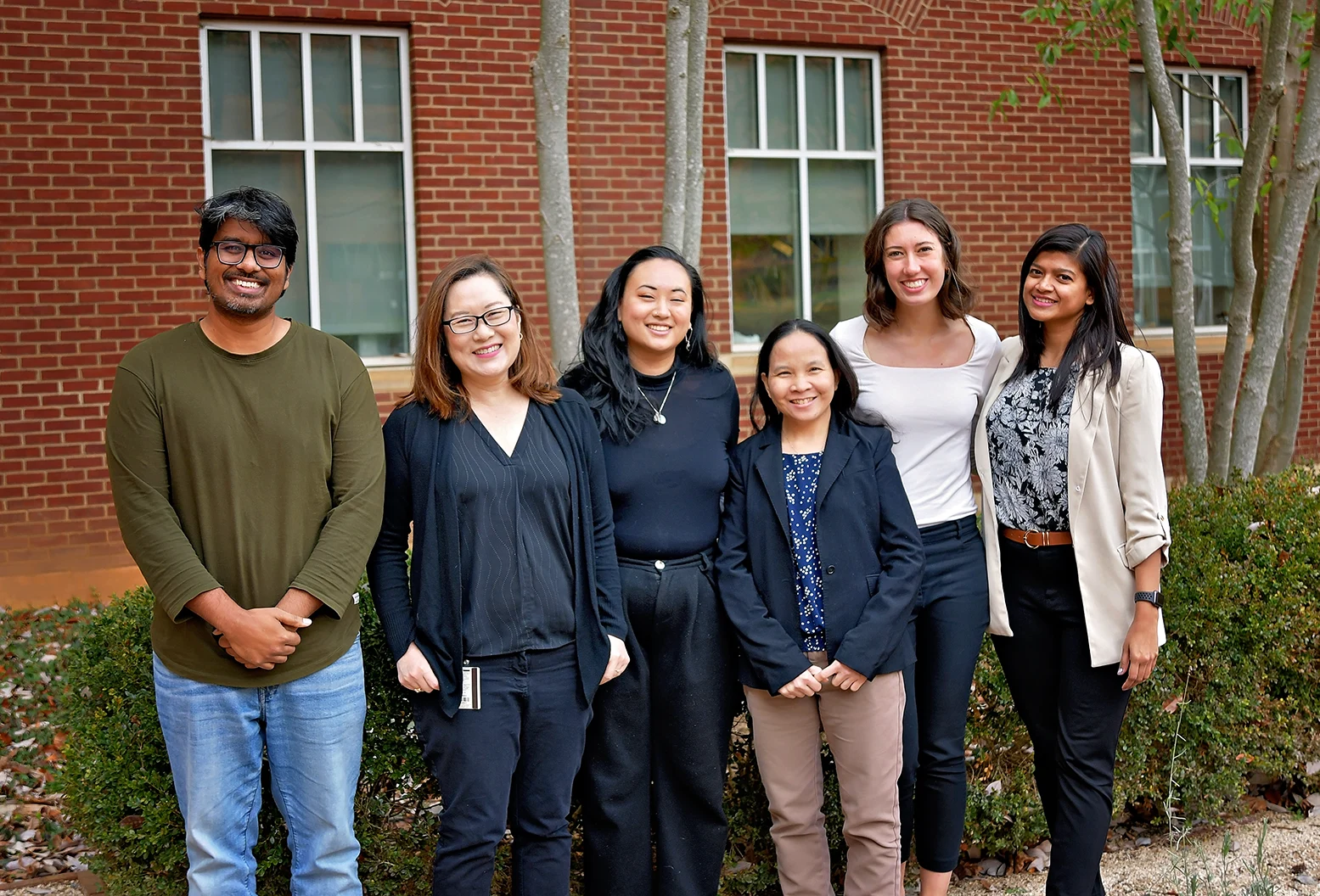
Current Laboratory Members
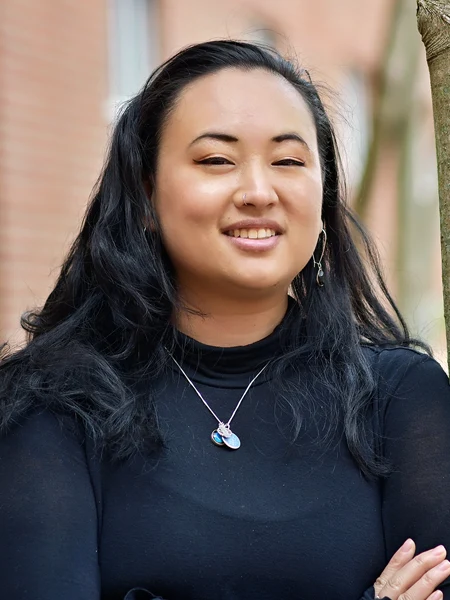
Position: Research Technician
Email: [email protected]
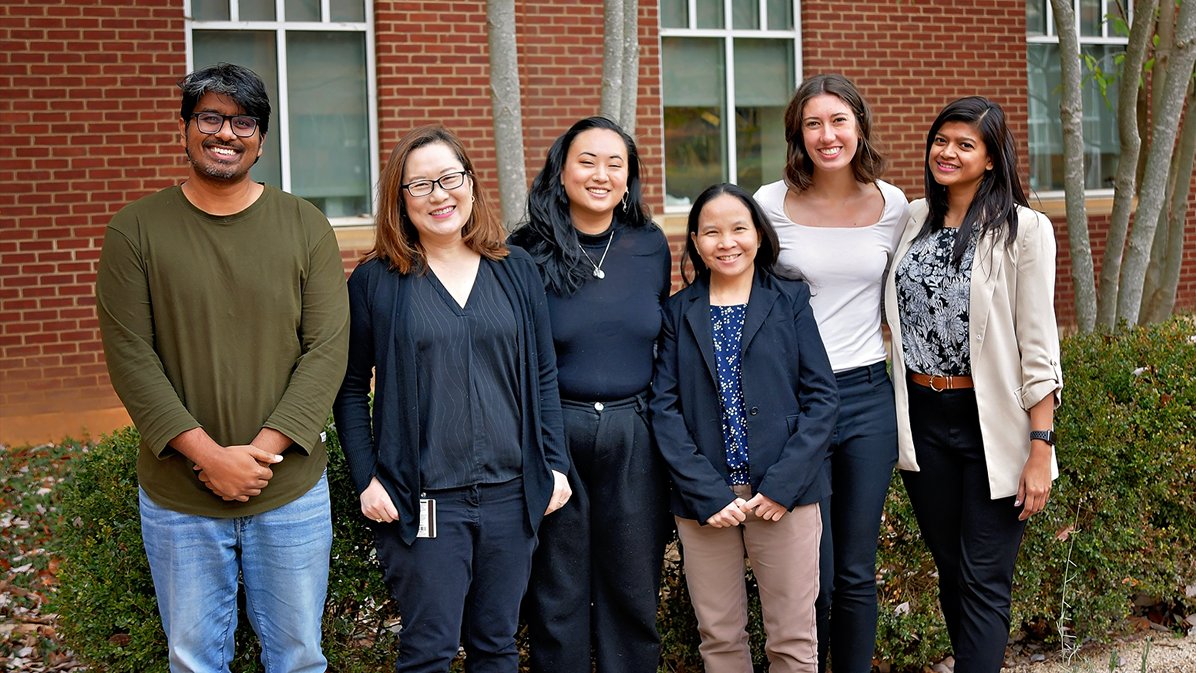
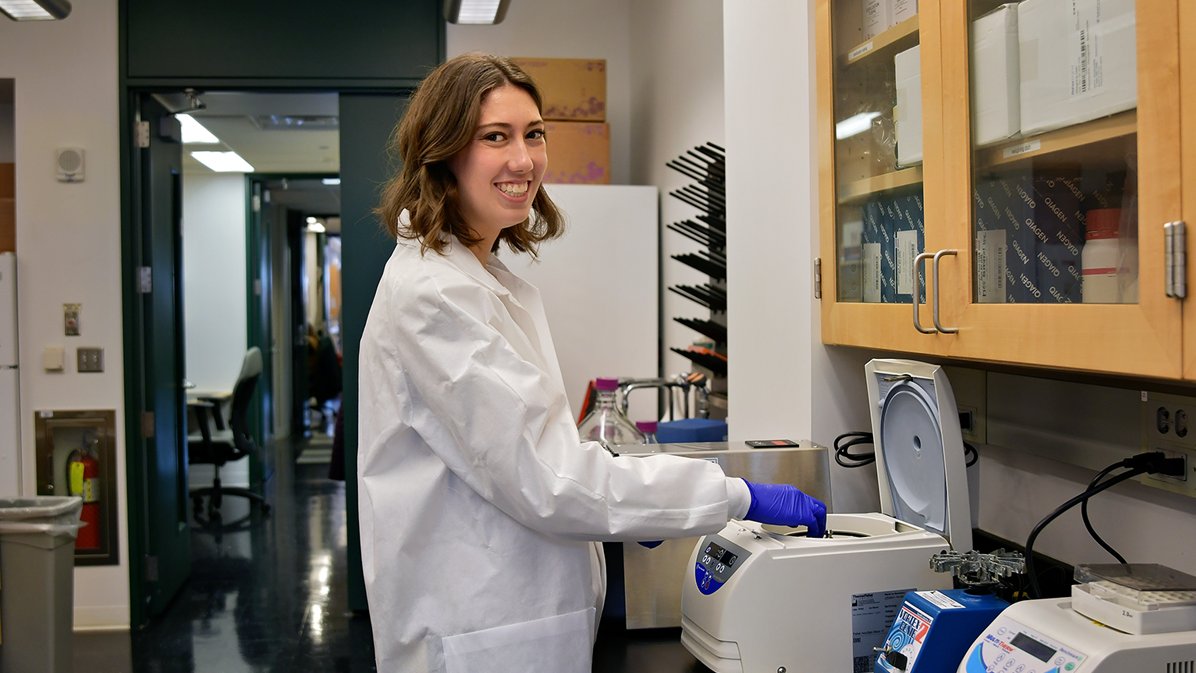
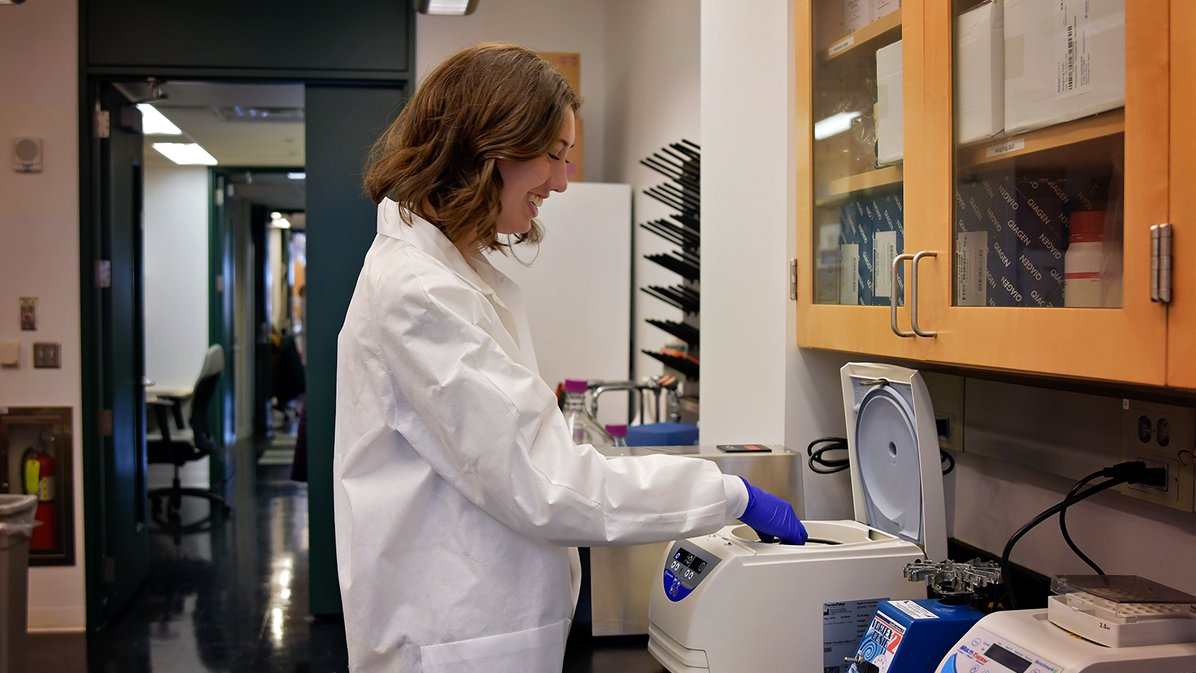
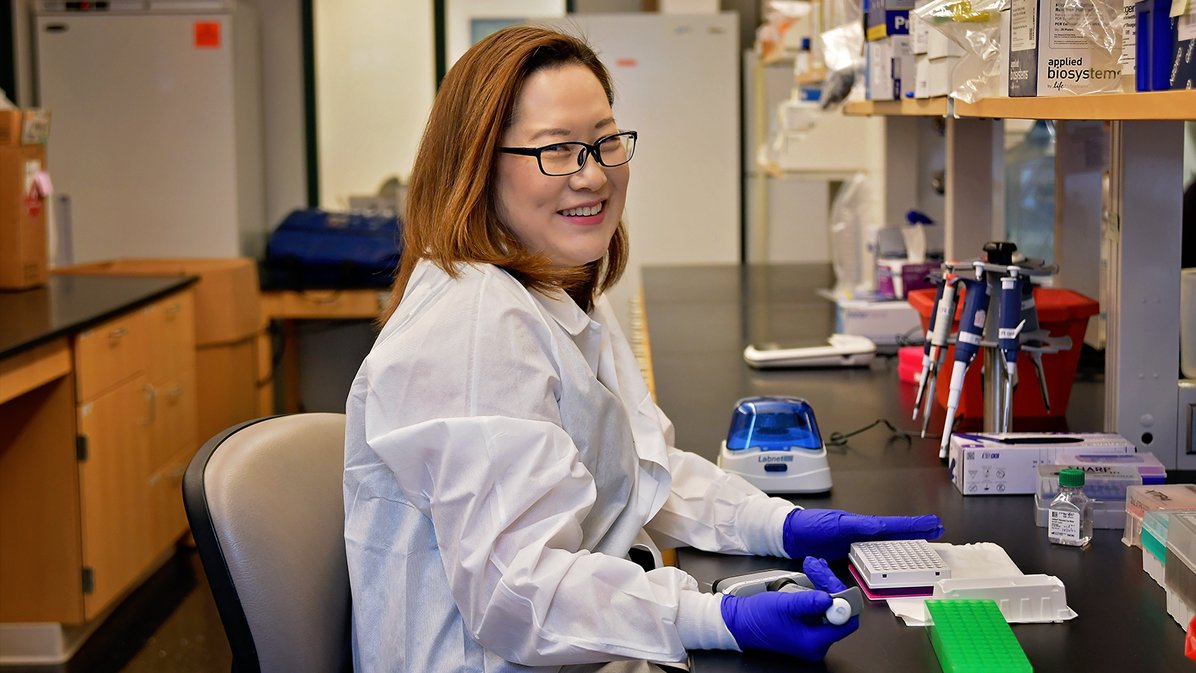
Emily Freeman received her undergraduate degree in Theatrical Production Arts from Ithaca College. She is looking toward moving away from what she initially got her degree in and looking forward to exploring the science world while bringing some of her prior experience in a completely different field. She is an avid reader in her free time and loves eating good food with friends and family.
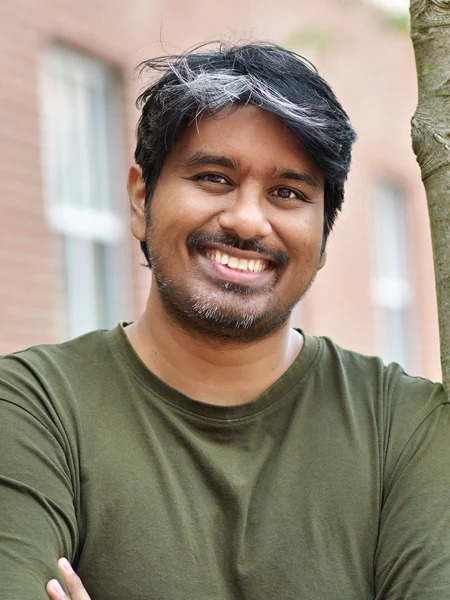
Position: Graduate Student
Email: [email protected]
Position: Graduate Student
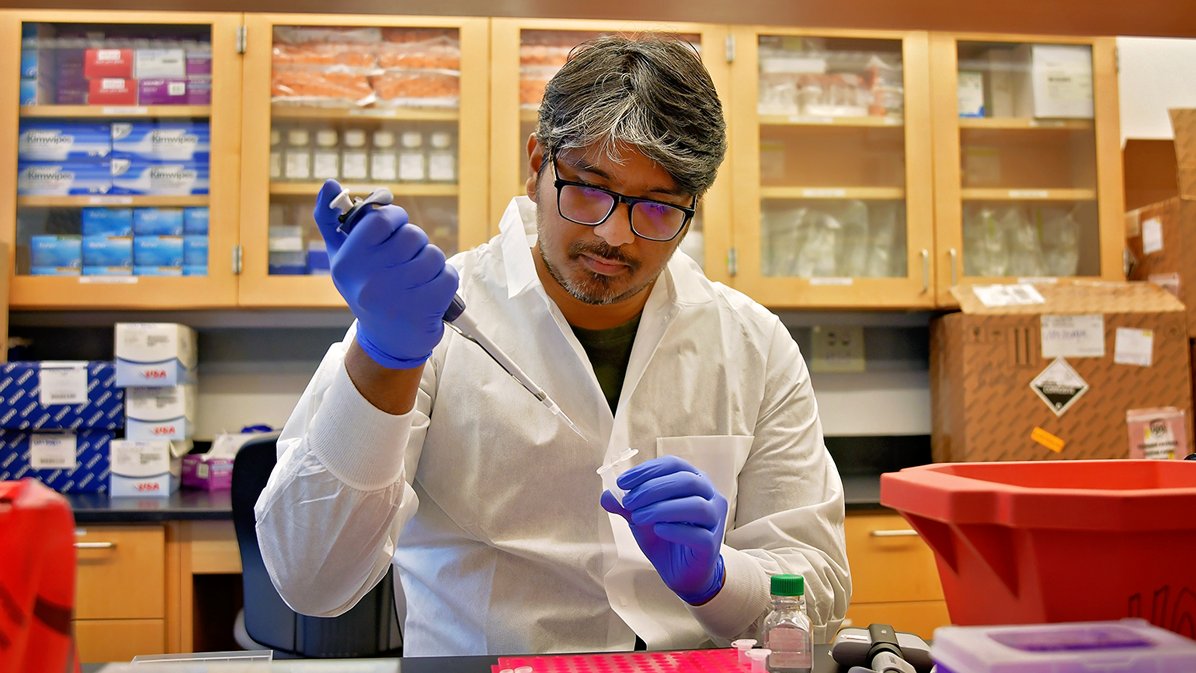
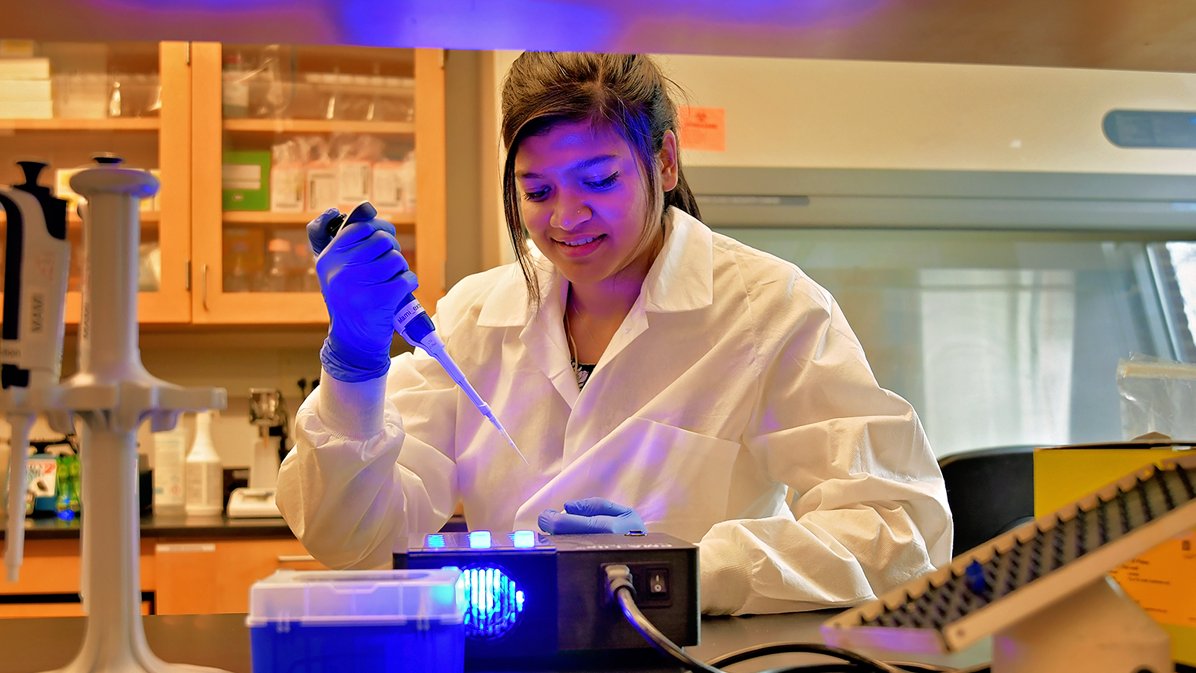
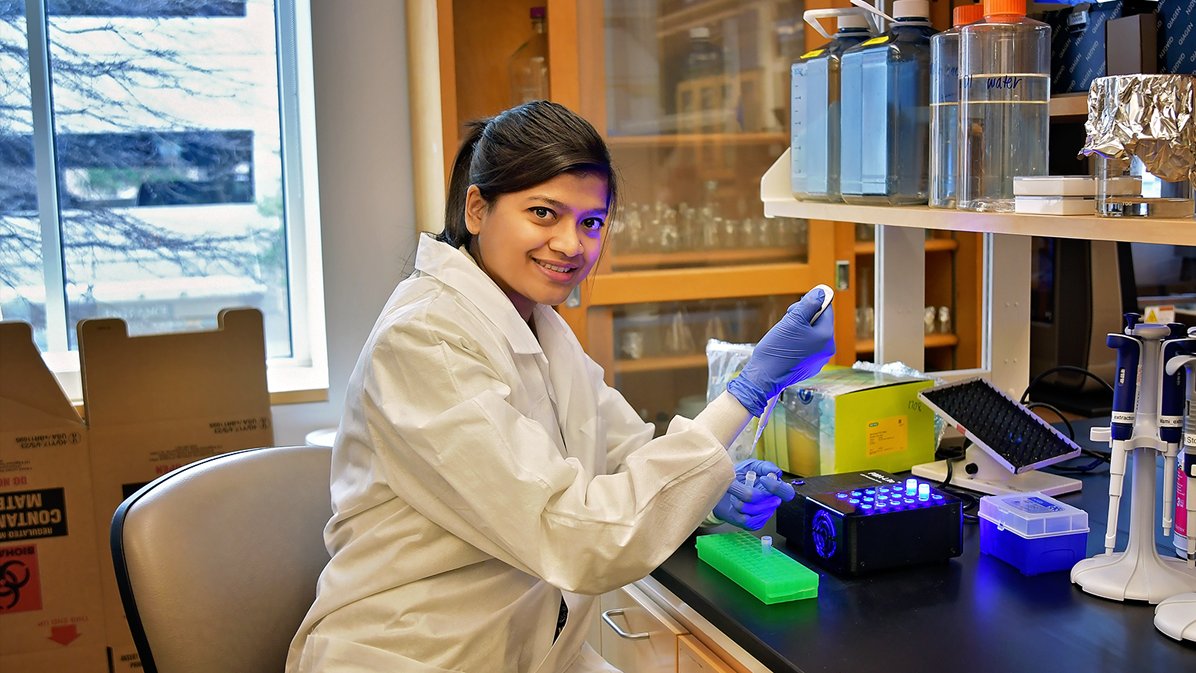
Md Ohedul Islam (Kajol) is a PhD student at the University of Virginia's Department of Civil and Environmental Engineering. With over seven years of experience in infectious diseases and wastewater surveillance in low- and middle-income countries, he brings expertise in both laboratory and field. Having led teams in one of the largest real-time sewage surveillance projects for SARS-CoV-2 during the COVID-19 pandemic in Bangladesh, he is deeply passionate about advancing wastewater surveillance and infectious disease epidemiology modeling. Currently, he is focusing on developing the sampling component of wastewater surveillance for enteric pathogens, especially enterovirus and poliovirus, within the Taniuchi Lab. With a passion for bridging the gap between public health and environmental engineering, he is committed to driving forward the understanding of disease transmission dynamics in the environment and informing evidence-based interventions for global health.
Former Laboratory Members
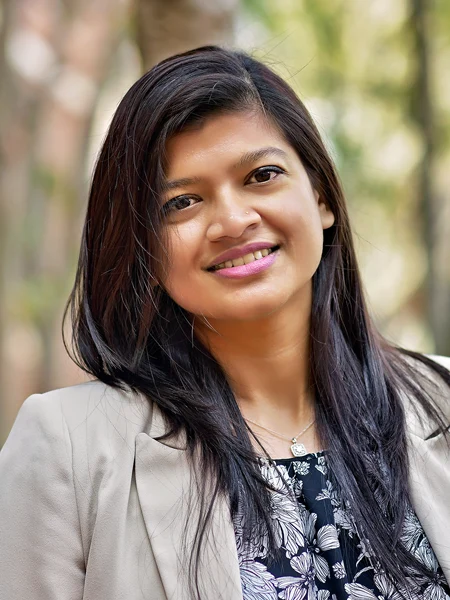
Position: Graduate Student
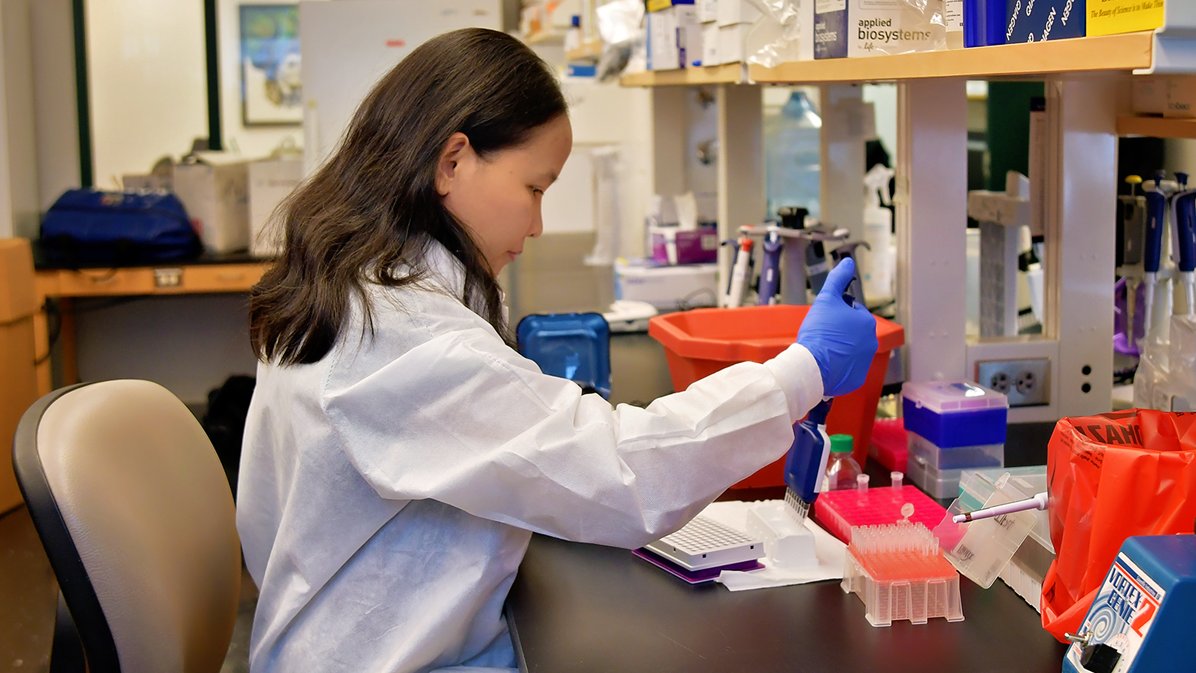
Tahmina Ahmed is a Ph.D. candidate in the Department of Civil and Environmental Engineering at the University of Virginia. Her research focuses on developing a sensitive molecular method to quantitatively differentiate between live and dead microorganisms in environmental samples. Additionally, her interests extend to investigating novel water treatment interventions in low—and middle-income countries. Tahmina earned her Bachelor's and Master's degrees from the University of Dhaka, Bangladesh. Beyond the laboratory, you might find her playing the ukulele, cooking, and hiking.
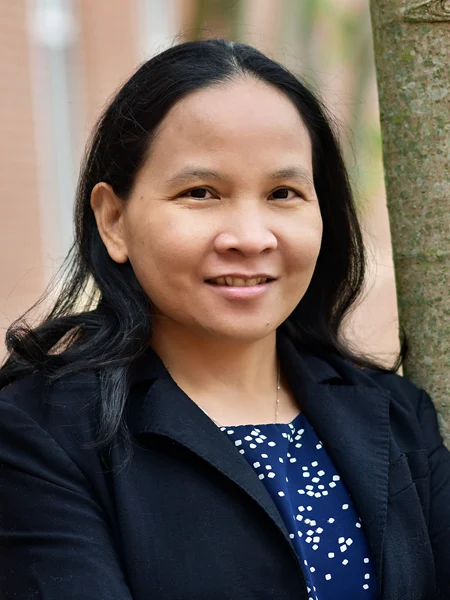
Position: Research Scientist
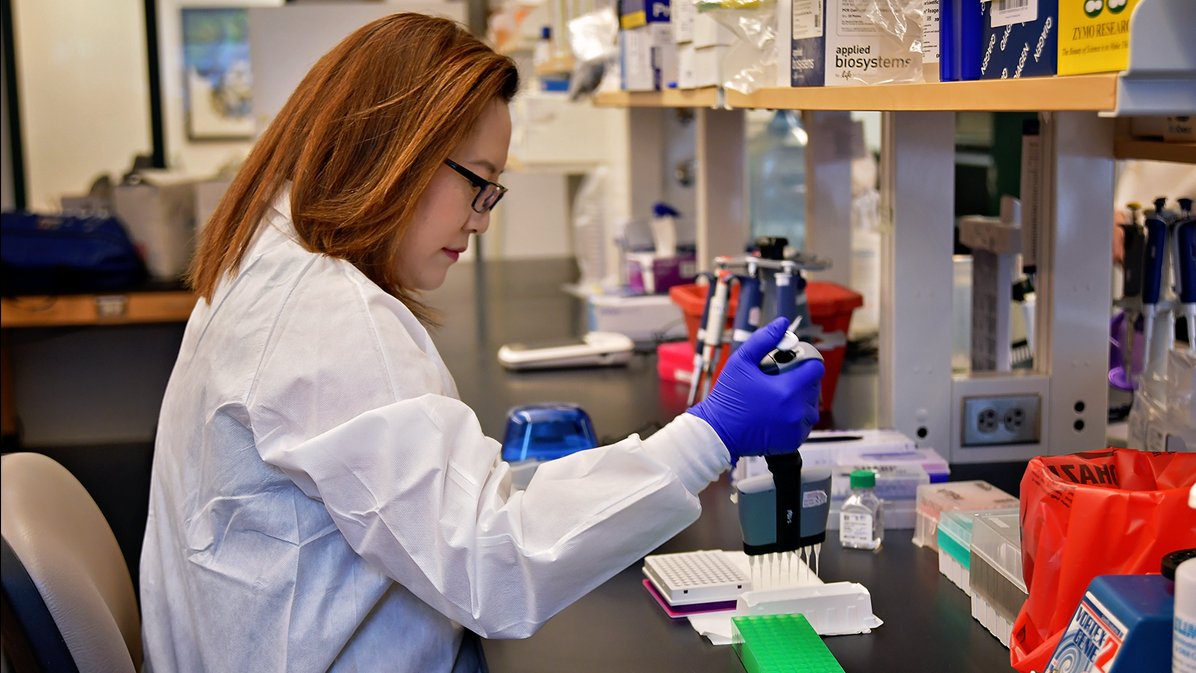
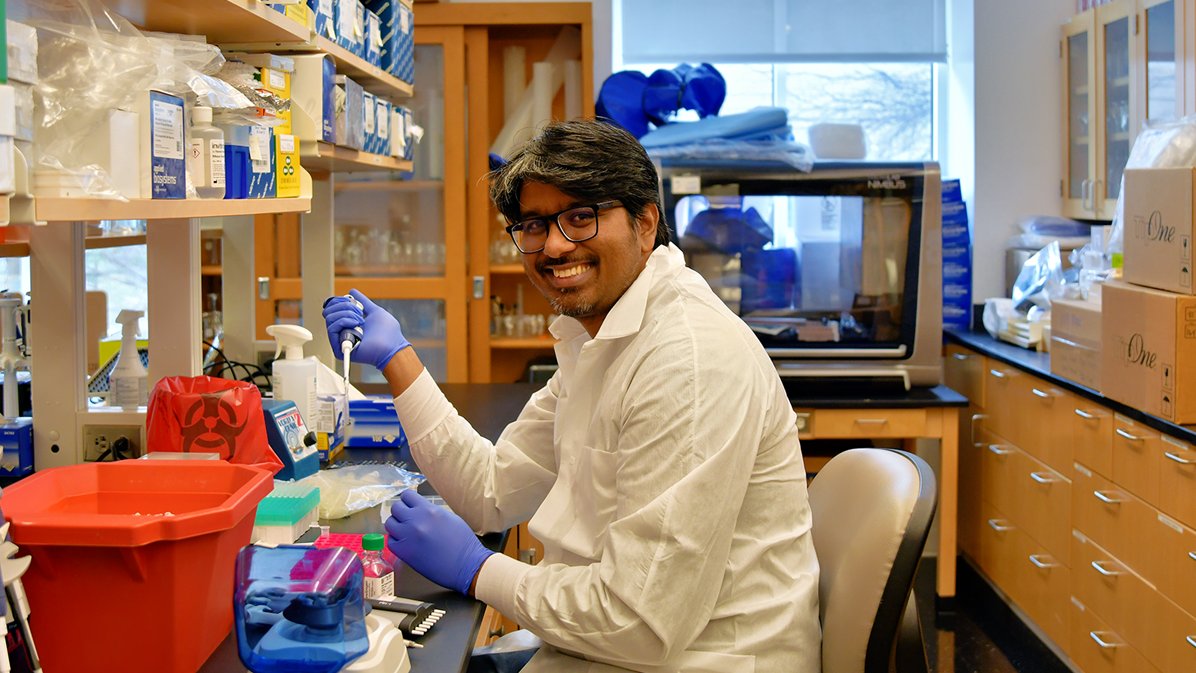
Dr. Suporn Pholwat grew up in a small village in northeastern Thailand. She left rural Thailand for a better education and received a PhD in Medical and Molecular Microbiology from Mahidol University in Thailand. After receiving the 2009 Pfizer Initiative in International Health Research Fellowship through the Center for Global Health Equity at the University of Virginia, she moved to Charlottesville, VA to pursue a research career in infectious diseases. She worked as a laboratory specialist in the Division of Infectious Diseases and International Health at the University of Virginia under Dr.Eric Houpt’s supervision since 2011, where her primary research focus is molecular diagnostics for tuberculosis, pneumococci, malaria, and antimicrobial-resistant bacteria (AMR). She joined Dr. Mami Taniuchi’s lab as a research scientist in 2021, where she continued her expertise in molecular diagnostics while focusing on wastewater surveillance. In addition, she spends significant time educating the next generation of scientists and working closely with other researchers, especially in low to middle-income countries, to build capacity in molecular diagnostics and next-generation sequencing.
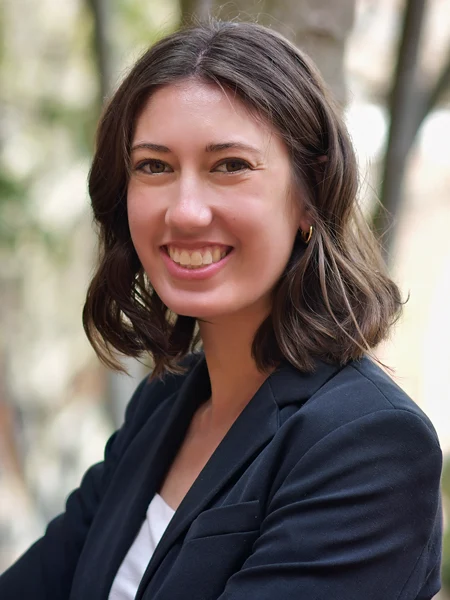
Position: Laboratory Specialist
Erin Wettstone received her undergraduate degree in Biomedical Engineering from the University of Virginia. Her interests surround engineering applications to health disparities and infectious disease research in low-income settings. She is designing and developing a dashboard tool that simultaneously displays environmental surveillance of infectious pathogens and clinical case data in Dhaka, Bangladesh. Read HERE.
Erin handles tasks for our team, such as IRB applications, procurement, and shipping to international research sites. She also helps with fieldwork in Pakistan, Bangladesh, and Tanzania, assists with developing laboratory methods, and writes R analyses. You can find her hiking or exploring new places in Charlottesville in her free time.