Chemistry and Physics of Living Systems
About
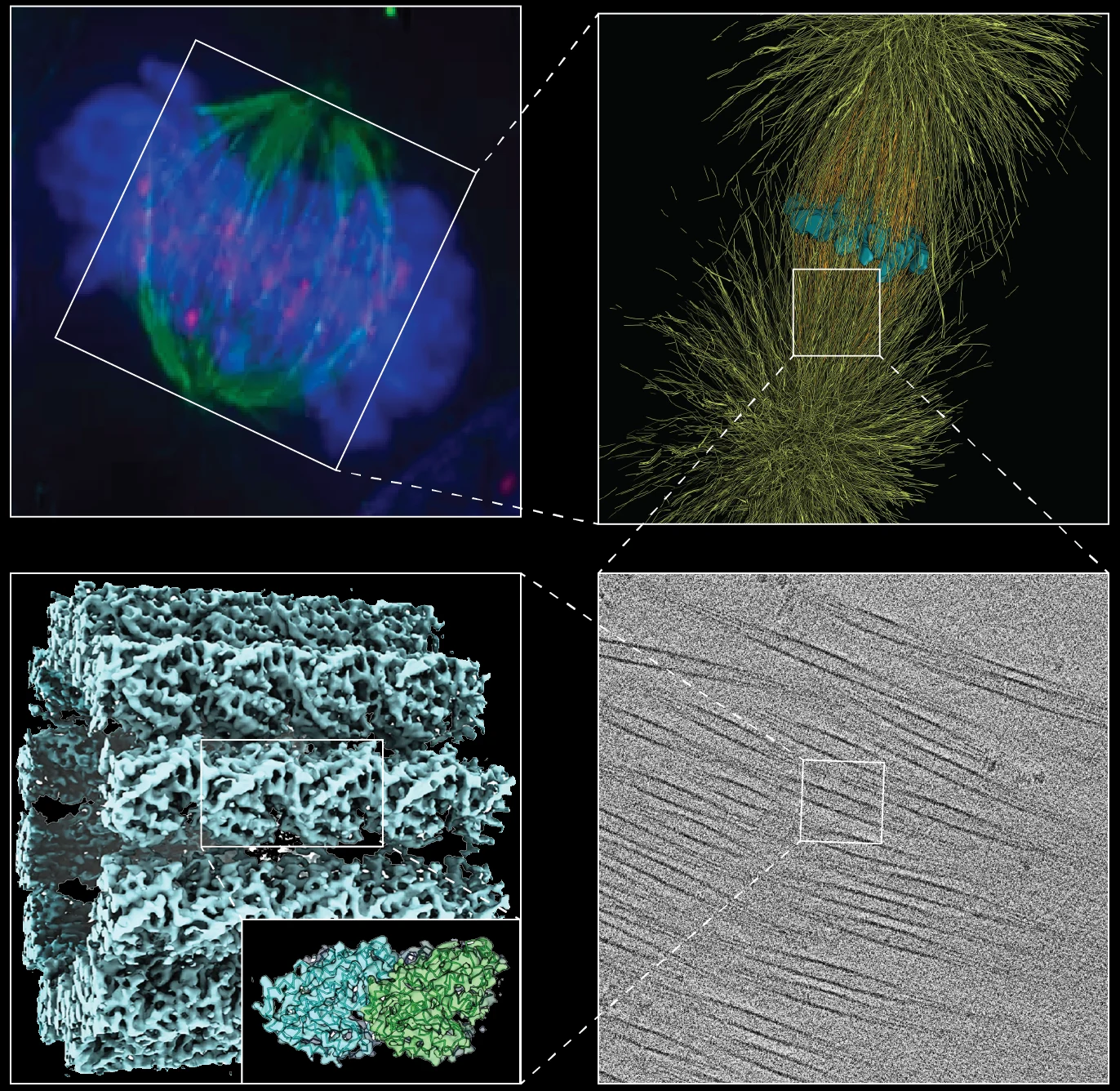
Research in the Chemistry and Physics of Living Systems aims to take a quantitative, rigorous approach to molecular cell biology. Our faculty investigate broad areas of molecular biology including gene regulation, macromolecular synthesis, molecular transport, cellular organization, and how cells make decisions. This research relies on advanced methods in analytical chemistry (mass spectrometry, NMR), biophysics (electron microscopy, computer simulations), and advanced imaging (super-resolution microscopy, single-molecule tracking). Our aim is to provide fundamental insights into biological processes across scales from molecular to organismal and address the most pressing problems in biomedicine and biotechnology. Our faculty span across many departments at UVA, forming a diverse and integrated group of teachers and mentors.
Faculty
Molecular Biosensors; Spatiotemporal Regulation of Biological Signaling; Protein Engineering for Imaging, Diagnostics, and Therapeutics
Huiwang Ai
Molecular Biosensors; Spatiotemporal Regulation of Biological Signaling; Protein Engineering for Imaging, Diagnostics, and Therapeutics

Drug Development Targeting Transcription Drivers in Cancer; Structure/Function Studies of Transcription Factor Drivers in Cancer
John H. Bushweller
Drug Development Targeting Transcription Drivers in Cancer; Structure/Function Studies of Transcription Factor Drivers in Cancer

Molecular Mechanisms for Membrane Transport and Cell Signaling
David S. Cafiso
Molecular Mechanisms for Membrane Transport and Cell Signaling

Biophysical Chemistry: Membrane protein structure, function, and dynamics
Linda Columbus
Biophysical Chemistry: Membrane protein structure, function, and dynamics

Contribution of the Inflammatory Microenvironment to Tumor Initiation, Progression and Metastasis; Molecular Mechanisms of Cancer Chemoprevention
Janet V. Cross, PhD
Contribution of the Inflammatory Microenvironment to Tumor Initiation, Progression and Metastasis; Molecular Mechanisms of Cancer Chemoprevention

The design of self-assembling nanomaterials
Kateri H. DuBay
The design of self-assembling nanomaterials

Super-resolution fluorescence imaging of bacterial cells
Andreas Gahlmann
Super-resolution fluorescence imaging of bacterial cells

Chromosome organization; Nucleosome structure; Histone marks; Structural cell biology
Lu Gan
Chromosome organization; Nucleosome structure; Histone marks; Structural cell biology

Translating our discoveries in the microcirculation to tangible benefits in patients.
Brant Isakson
Translating our discoveries in the microcirculation to tangible benefits in patients.

Mechanisms by which cells direct and regulate protein targeting to the ER and mitochondria, and how molecular control of cell dormancy impacts health and disease.
Ahmad Jomaa, PhD
Mechanisms by which cells direct and regulate protein targeting to the ER and mitochondria, and how molecular control of cell dormancy impacts health and disease.

Architecture and function of biological membranes
Anne Kenworthy
Architecture and function of biological membranes

Precision medicine, translational science, regeneration, organoids, high resolution imaging, computational modeling
Saurabh Kulkarni
Precision medicine, translational science, regeneration, organoids, high resolution imaging, computational modeling

Neural tissue engineering, biomaterials, drug delivery, redox regulation of stem cell fate, engineering cell-interactive microenvironments
Kyle Lampe
Neural tissue engineering, biomaterials, drug delivery, redox regulation of stem cell fate, engineering cell-interactive microenvironments

Composition, Biophysics and Physiology of Cellular Membranes
Ilya Levental
Composition, Biophysics and Physiology of Cellular Membranes

Chromosome segregation and aneuploidy in meiosis and mitosis
Stefanie Redemann
Chromosome segregation and aneuploidy in meiosis and mitosis

Proteoform Systems Biology: proteogenomic approaches to uncover the role of proteomic variation in human disease
Gloria M. Sheynkman
Proteoform Systems Biology: proteogenomic approaches to uncover the role of proteomic variation in human disease

Molecular and bioelectric devices; tissue regeneration.
Nathan Swami
Molecular and bioelectric devices; tissue regeneration.

Biomembrane Structure and Function; Cell Entry of Enveloped Viruses; Neurosecretion by Exocytosis; Structure of Bacterial Pathogen Membrane Proteins; Lipid-Protein Interactions
Lukas K. Tamm
Biomembrane Structure and Function; Cell Entry of Enveloped Viruses; Neurosecretion by Exocytosis; Structure of Bacterial Pathogen Membrane Proteins; Lipid-Protein Interactions

Analytical Neurochemistry; Dopamine and Serotonin Neurotransmission in Drosophila; Mechanisms of rapid adenosine signaling in rodents
B. Jill Venton
Analytical Neurochemistry; Dopamine and Serotonin Neurotransmission in Drosophila; Mechanisms of rapid adenosine signaling in rodents

Molecular Imaging; Cancer Immunology; Vaccines.
Jinghang Xie
Molecular Imaging; Cancer Immunology; Vaccines.

Transport of biopolymers across biological membranes with a particular interest in polysaccharide and protein translocation.
Jochen Zimmer
Transport of biopolymers across biological membranes with a particular interest in polysaccharide and protein translocation.
