Infectious Disease
About
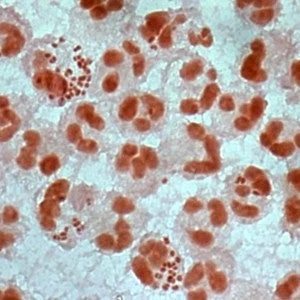
Research in Infectious Diseases at UVA provides rich interdisciplinary experiences in the molecular biology, immunology, cell biology, and pathogenesis of infectious diseases as well as vaccine development, therapeutics and diagnostic technologies for infectious agents. Trainees have opportunities to conduct research with over 30 different mentors from eight different departments
The Infectious Diseases (ID) Training Program is currently in its 5th decade of consecutive NIH funding. This program brings together an internationally recognized clinical program in infectious diseases and international health and superb basic molecular and cellular biologists. The core philosophy of the program is that interactions between basic scientists and clinicians in training and research will spark innovative approaches to diagnose, treat and prevent infections
A basic philosophy of the program is that through interactions of basic scientists and clinicians in research and training, will come the breakthrough science that leads to new interventions to diagnose, treat and prevent infections.
The Infectious Diseases Training Program features side-by-side education of predoctoral students, M.D.s, and Ph.D. postdoctoral fellows. Training is enriched by research-in-progress sessions, seminar series, and journal clubs that integrate both clinical and basic research aspects of infectious diseases.
The Global Biothreats Training Program focuses on the ways that key infectious agents of worldwide notoriety cause disease. Resources for this program include a well-equipped Biosafety Level 3 facility for trained and approved users. The Global Biothreats Training Program features coursework and lectures that highlight not only mechanisms of pathogenesis, but also the regulatory, policy, and societal impacts of global biothreats.
Faculty
Natural Killer Cells, Viral Immunity, Genetic basis of host resistance to viral infection, Tumor immunity, Immune cell regulation
Michael G. Brown
Natural Killer Cells, Viral Immunity, Genetic basis of host resistance to viral infection, Tumor immunity, Immune cell regulation

1. Molecular and cellular therapy for tissue injury and repair, mainly focusing on heart and lung injury and repair. 2. Cancer biology, mainly focusing on identifying the molecular target that can inhibit the tumorigenesis during aging.
Chuanxi Cai, PhD
1. Molecular and cellular therapy for tissue injury and repair, mainly focusing on heart and lung injury and repair. 2. Cancer biology, mainly focusing on identifying the molecular target that can inhibit the tumorigenesis during aging.

Role of Arf family GTPases in vesicular transport and cytoskeleton assembly. Cell Biology of bacterial pathogenesis. The innate immune response to bacterial infection.
James E. Casanova
Role of Arf family GTPases in vesicular transport and cytoskeleton assembly. Cell Biology of bacterial pathogenesis. The innate immune response to bacterial infection.

Herpes Simplex Virus Infection of Neurons
Anna Cliffe
Herpes Simplex Virus Infection of Neurons

Biophysical Chemistry: Membrane protein structure, function, and dynamics
Linda Columbus
Biophysical Chemistry: Membrane protein structure, function, and dynamics

The maternal and infant microbiome in childhood growth and immunity
Carrie A. Cowardin
The maternal and infant microbiome in childhood growth and immunity

Cellular and molecular mechanisms of Neisserial pathogenesis
Alison K. Criss
Cellular and molecular mechanisms of Neisserial pathogenesis

Host/pathogen Interaction - Chlamydia Infection
Isabelle Derre
Host/pathogen Interaction - Chlamydia Infection

Herpesvirus gene expression & RNA biology
Sarah Dremel
Herpesvirus gene expression & RNA biology

Structure and Function of Macromolecular Complexes Using Electron Microscopy
Edward H. Egelman
Structure and Function of Macromolecular Complexes Using Electron Microscopy

Innate immunity, chronic disease, host-parasite interactions, Toxoplasma gondii, proteomics
Sarah E Ewald
Innate immunity, chronic disease, host-parasite interactions, Toxoplasma gondii, proteomics

Super-resolution fluorescence imaging of bacterial cells
Andreas Gahlmann
Super-resolution fluorescence imaging of bacterial cells

RNA-protein interactions in antiviral immunity and autoimmune diseases.
Mariano A. Garcia-Blanco, MD, PhD
RNA-protein interactions in antiviral immunity and autoimmune diseases.

Mechanisms of Genetic and Metabolic Adaptation in the Malaria Parasite, Plasmodium falciparum
Jennifer Guler
Mechanisms of Genetic and Metabolic Adaptation in the Malaria Parasite, Plasmodium falciparum

Immune regulation for HCV infection and chronic liver inflammation
Young S. Hahn
Immune regulation for HCV infection and chronic liver inflammation

Post Transcriptional Gene Regulation and the Molecular Biology of Human Retroviruses
Marie-Louise Hammarskjold
Post Transcriptional Gene Regulation and the Molecular Biology of Human Retroviruses

Immune response to infectious disease in the CNS
Tajie H. Harris
Immune response to infectious disease in the CNS


Bacterial cell signaling, host-pathogen interactions, intestinal pathogens
Melissa M. Kendall
Bacterial cell signaling, host-pathogen interactions, intestinal pathogens

Restoration of Homeostasis in Disease
Gordon W. Laurie
Restoration of Homeostasis in Disease

Mitochondrial regulation of innate immune and antiviral signaling
Laura Newman
Mitochondrial regulation of innate immune and antiviral signaling

Systems biology, infectious disease, cancer, toxicology, metabolic engineering
Jason Papin
Systems biology, infectious disease, cancer, toxicology, metabolic engineering


Human Immunodeficiency Virus Gene Expression; Human Endogenous Viruses; SARS-CoV-2 Protein Trafficking; Post-transcriptional Gene Regulation
David M. Rekosh
Human Immunodeficiency Virus Gene Expression; Human Endogenous Viruses; SARS-CoV-2 Protein Trafficking; Post-transcriptional Gene Regulation

Gram-positive pathogenesis; type VII secretion; impact of secreted effectors on host-pathogen interactions and immune responses
Brady Spencer
Gram-positive pathogenesis; type VII secretion; impact of secreted effectors on host-pathogen interactions and immune responses

Viral immunology, Cancer immunology, Aging, Mucosal Immunology
Jie Sun
Viral immunology, Cancer immunology, Aging, Mucosal Immunology

Molecular and bioelectric devices; tissue regeneration.
Nathan Swami
Molecular and bioelectric devices; tissue regeneration.

Biomembrane Structure and Function; Cell Entry of Enveloped Viruses; Neurosecretion by Exocytosis; Structure of Bacterial Pathogen Membrane Proteins; Lipid-Protein Interactions
Lukas K. Tamm
Biomembrane Structure and Function; Cell Entry of Enveloped Viruses; Neurosecretion by Exocytosis; Structure of Bacterial Pathogen Membrane Proteins; Lipid-Protein Interactions


The immune response to common cold and allergens in health and disease.
Judith A. Woodfolk
The immune response to common cold and allergens in health and disease.

Molecular Imaging; Cancer Immunology; Vaccines.
Jinghang Xie
Molecular Imaging; Cancer Immunology; Vaccines.

Pathogenesis of infectious diseases and the development of new therapies and vaccines for infectious diseases and cancers.
Steven L. Zeichner, MD, PhD
Pathogenesis of infectious diseases and the development of new therapies and vaccines for infectious diseases and cancers.

Transport of biopolymers across biological membranes with a particular interest in polysaccharide and protein translocation.
Jochen Zimmer
Transport of biopolymers across biological membranes with a particular interest in polysaccharide and protein translocation.
