Physiological Basis of Human Disease
About
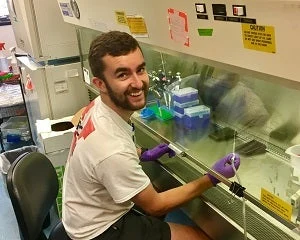
Research in Physiological Basis of Human Disease at UVA aims to elucidate the cellular and molecular mechanisms of basic biological phenomena and to understand the pathological alterations of these processes that result in disease.
Our research seeks to integrate insights gained at the molecular and cellular levels into the broader framework of organ function, with the goal of understanding the function of living systems at all levels. This understanding is based on knowledge of atomic and molecular structure and function. Thus a modern molecular physiologist may investigate the function of the heart by cloning a membrane channel or transport protein, expressing it and studying its kinetics through patch clamping in a model cell system, while exploring the relationship between molecular structure and function through crystallography and spectroscopy.
We emphasize interdisciplinary systems approaches. Consequently, members of our program are associated with many departments in basic sciences, clinical medicine, and in particular the Robert Berne Cardiovascular Research Center and Biomedical Engineering.
Faculty
Genetic approaches, cellular and molecular biology of intracellular pathogen infection
Herve Agaisse, PhD
Genetic approaches, cellular and molecular biology of intracellular pathogen infection

Molecular Biosensors; Spatiotemporal Regulation of Biological Signaling; Protein Engineering for Imaging, Diagnostics, and Therapeutics
Huiwang Ai
Molecular Biosensors; Spatiotemporal Regulation of Biological Signaling; Protein Engineering for Imaging, Diagnostics, and Therapeutics

Innate immunity, Cell clearance, Inflammatory and autoimmune disease
Sanja Arandjelovic
Innate immunity, Cell clearance, Inflammatory and autoimmune disease

Mechanisms of neuromodulation in central neurons
Douglas A. Bayliss
Mechanisms of neuromodulation in central neurons

Molecular mechanisms linking innate immune and insulin signaling to control cell growth and metabolism
Michelle Bland
Molecular mechanisms linking innate immune and insulin signaling to control cell growth and metabolism

1. Molecular and cellular therapy for tissue injury and repair, mainly focusing on heart and lung injury and repair. 2. Cancer biology, mainly focusing on identifying the molecular target that can inhibit the tumorigenesis during aging.
Chuanxi Cai, PhD
1. Molecular and cellular therapy for tissue injury and repair, mainly focusing on heart and lung injury and repair. 2. Cancer biology, mainly focusing on identifying the molecular target that can inhibit the tumorigenesis during aging.

Hematology and Oncology, Cell Biology, Lipid Signaling, Cancer Cell Signaling, and RNA Biology
Charles Edward Chalfant
Hematology and Oncology, Cell Biology, Lipid Signaling, Cancer Cell Signaling, and RNA Biology

Ion channels and Ca2+-signaling in inflammation, immunity and tissue homeostasis
Bimal N. Desai
Ion channels and Ca2+-signaling in inflammation, immunity and tissue homeostasis

Cytoskeletal architecture, dynamics and roles in cellular physiology and disease; High-resolution live cell and tissue imaging
Seham Ebrahim
Cytoskeletal architecture, dynamics and roles in cellular physiology and disease; High-resolution live cell and tissue imaging


Systems Genetics of Skeletal Development and Maintenance
Charles R. Farber
Systems Genetics of Skeletal Development and Maintenance

Impact of APOE and lipid metabolism on cell function in Alzheimer's disease.
Sarah Flowers
Impact of APOE and lipid metabolism on cell function in Alzheimer's disease.

Novel Therapies for Treating and Preventing Ischemic Heart Disease
Brent A. French
Novel Therapies for Treating and Preventing Ischemic Heart Disease

Super-resolution fluorescence imaging of bacterial cells
Andreas Gahlmann
Super-resolution fluorescence imaging of bacterial cells

Vascular wall remodeling, intimal hyperplasia, stenosis, aneurysm, retinal degeneration.
Lian-Wang Guo
Vascular wall remodeling, intimal hyperplasia, stenosis, aneurysm, retinal degeneration.

Molecular mechanisms controlling insulin signaling and fat synthesis.
Thurl E Harris, PhD
Molecular mechanisms controlling insulin signaling and fat synthesis.

Translating our discoveries in the microcirculation to tangible benefits in patients.
Brant Isakson
Translating our discoveries in the microcirculation to tangible benefits in patients.

The Pathophysiology of neurodegenerative diseases, including Alzheimer’s disease (AD), Parkinson’s disease (PD) and other dementia-related disorders.
Lulu Jiang
The Pathophysiology of neurodegenerative diseases, including Alzheimer’s disease (AD), Parkinson’s disease (PD) and other dementia-related disorders.

Seizures, neuronal excitability and plasticity
Jaideep Kapur
Seizures, neuronal excitability and plasticity

Architecture and function of biological membranes
Anne Kenworthy
Architecture and function of biological membranes


RNA regulatory networks and RNA binding proteins during cardiovascular development and in cardiovascular disease
Muge N Kuyumcu-Martinez
RNA regulatory networks and RNA binding proteins during cardiovascular development and in cardiovascular disease

Role of lipid oxidation products in inflammation and vascular immunology in atherosclerosis and diabetes
Norbert Leitinger
Role of lipid oxidation products in inflammation and vascular immunology in atherosclerosis and diabetes

Composition, Biophysics and Physiology of Cellular Membranes
Ilya Levental
Composition, Biophysics and Physiology of Cellular Membranes


Neuron-glia communications, brain plasticity and homeostasis, glial responses to neurodegeneration
Tsai-Yi Lu
Neuron-glia communications, brain plasticity and homeostasis, glial responses to neurodegeneration


Understanding the neural code underlying motivated behaviors like feeding, drinking, and social interaction, with a focus on how malfunction in associated brain areas are involved in diseases like addiction and eating disorders
Edward Horng-An Nieh
Understanding the neural code underlying motivated behaviors like feeding, drinking, and social interaction, with a focus on how malfunction in associated brain areas are involved in diseases like addiction and eating disorders


Identification of Factors and Mechanisms that Regulate the Stability of Late Stage Atherosclerotic Lesions and the Probability of Thromboembolic Events Including a Heart Attack or Stroke
Gary K. Owens
Identification of Factors and Mechanisms that Regulate the Stability of Late Stage Atherosclerotic Lesions and the Probability of Thromboembolic Events Including a Heart Attack or Stroke

Investigating the cell-biological foundations of development
Ariel Pani
Investigating the cell-biological foundations of development

Understanding the cellular mechanisms by which seizures are initiated in SCN8A epileptic encephalopathy (DEE13) and temporal lobe epilepsy. My lab uses a number of experimental techniques including patch clamp electrophysiology and in vivo seizure monitor
Manoj Patel
Understanding the cellular mechanisms by which seizures are initiated in SCN8A epileptic encephalopathy (DEE13) and temporal lobe epilepsy. My lab uses a number of experimental techniques including patch clamp electrophysiology and in vivo seizure monitor

Tissue Engineering and Regeneration, Computational Systems Biology, Vascular Growth and Remodeling, Stem Cell Therapies
Shayn M. Peirce-Cottler
Tissue Engineering and Regeneration, Computational Systems Biology, Vascular Growth and Remodeling, Stem Cell Therapies

Delineate the physiological importance and structure-function relationship of ER-associated degradation in humans.
Ling Qi
Delineate the physiological importance and structure-function relationship of ER-associated degradation in humans.

Chromosome segregation and aneuploidy in meiosis and mitosis
Stefanie Redemann
Chromosome segregation and aneuploidy in meiosis and mitosis

Roles of complex signaling networks involved in the regulation of cardiovascular function and disease
Jeffrey J. Saucerman
Roles of complex signaling networks involved in the regulation of cardiovascular function and disease

Regulation of transcription by nuclear hormone receptors, transcriptional control of metabolism and inflammation, small molecule approaches to drug discovery
Ira G. Schulman
Regulation of transcription by nuclear hormone receptors, transcriptional control of metabolism and inflammation, small molecule approaches to drug discovery

Regulatory T Cell biology in Inflammatory and Autoimmune Diseases.
Rahul Sharma
Regulatory T Cell biology in Inflammatory and Autoimmune Diseases.

biophysics, biophysics & structural biology, cardiovascular biology, and physiology
Avril V. Somlyo
biophysics, biophysics & structural biology, cardiovascular biology, and physiology

Identify the calcium signaling abnormalities that lead to vascular dysfunction and blood pressure elevation in cardiovascular disorders
Swapnil Sonkusare
Identify the calcium signaling abnormalities that lead to vascular dysfunction and blood pressure elevation in cardiovascular disorders

Role of Glia in Neurological Illnesses and Cancer
Harald Sontheimer
Role of Glia in Neurological Illnesses and Cancer

Spatial Cell Biology. Neuronal Morphogenesis and Disease. Cancer Migration and Invasion.
Elias T Spiliotis
Spatial Cell Biology. Neuronal Morphogenesis and Disease. Cancer Migration and Invasion.

Lung injury, repair, and fibrosis; B cell immunology
Jeffrey M Sturek
Lung injury, repair, and fibrosis; B cell immunology

Role of endoplasmic reticulum-associated protein degradation in health and disease
Shengyi Iris Sun
Role of endoplasmic reticulum-associated protein degradation in health and disease

Regulation of cell-surface stability and intracellular trafficking of membrane proteins in epithelial cells
Agnieszka Swiatecka-Urban
Regulation of cell-surface stability and intracellular trafficking of membrane proteins in epithelial cells

Biomembrane Structure and Function; Cell Entry of Enveloped Viruses; Neurosecretion by Exocytosis; Structure of Bacterial Pathogen Membrane Proteins; Lipid-Protein Interactions
Lukas K. Tamm
Biomembrane Structure and Function; Cell Entry of Enveloped Viruses; Neurosecretion by Exocytosis; Structure of Bacterial Pathogen Membrane Proteins; Lipid-Protein Interactions


Membrane-transport physiology and biophysics
Ming-Feng Tsai
Membrane-transport physiology and biophysics

Vascular Biology, Nanotechnology, Biomaterials, Drug Delivery
Nick Dimitrios Tsihlis, PhD
Vascular Biology, Nanotechnology, Biomaterials, Drug Delivery

Neural control of cardiorespiratory function in health and disease
Ian C Wenker
Neural control of cardiorespiratory function in health and disease

Endosomal function and dysfunction in neurons. Development of the nervous system: cytoskeleton and membrane traffic in axon and dendrite growth.
Bettina Winckler
Endosomal function and dysfunction in neurons. Development of the nervous system: cytoskeleton and membrane traffic in axon and dendrite growth.

Identification of genes and pathways that cause or modify cardiac hypertrophy and heart failure.
Matthew J Wolf
Identification of genes and pathways that cause or modify cardiac hypertrophy and heart failure.

Genetics, Functional Genomics, Epigenetics, Lung repair/regeneration, Metabolic regulation, Alveolar stem cells, Chromatin interaction, Innate immune response, Live-cell imaging
Anny Xiaobo Zhou
Genetics, Functional Genomics, Epigenetics, Lung repair/regeneration, Metabolic regulation, Alveolar stem cells, Chromatin interaction, Innate immune response, Live-cell imaging
