Neuroscience
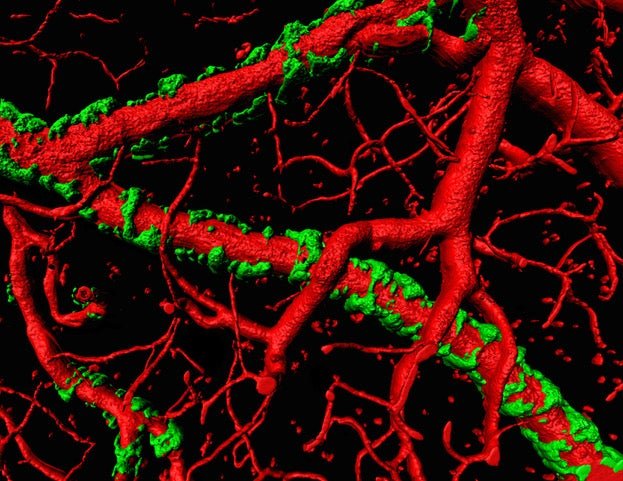
Neuroscience is a discipline encompassing all aspects of behavior, cognition and perception at the molecular and cellular levels as well as in the whole organism.
As a growing and highly collaborative department we are committed to carrying out cutting-edge interdisciplinary research employing a wide range of state-of-the-art techniques. Over the last few years, our work has yielded major breakthroughs. The achievements are in large part because of the contributions of exceptional trainees — graduate students and post-doctoral fellows — and we welcome other motivated trainees to join us.
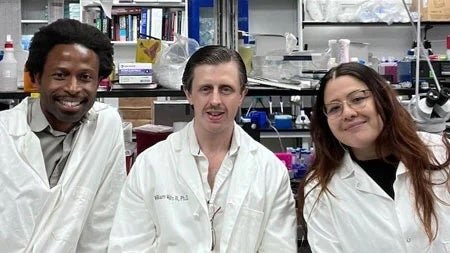 Discovery Could Battle Alzheimer’s by Boosting Blood Flow to BrainClick Here to View the Publication
July 2025 - Congratulations to Ukpong Eyo, Tré Mills, and the Eyo lab for their recent publication in Nature Communications! They found that immune cells called microglia play an essential role in determining how well tiny capillaries deliver blood and essential nourishment to our brains. The scientists believe problems with these microglia could be contributing to failing brain health, and targeting them could help us prevent or reverse memory-stealing diseases caused or worsened by lack of adequate blood flow. This could include Alzheimer’s, vascular dementia and even some cases of Parkinson’s.
 Immune System Discovery Reveals Potential Solution to Alzheimer’s DiseaseClick Here to View the Publication
June 2025 - The pioneering research of John Lukens, PhD, Jessica Thanos, and colleagues may be the key to stopping cognitive decline associated with the AD. Their research reveals that an immune molecule called STING drives the formation of the harmful plaques and protein tangles thought responsible for Alzheimer’s. Blocking the molecule protected lab mice from mental decline. STING also may be a key contributor to Parkinson’s disease, ALS (Lou Gehrig’s disease), dementia and other memory-robbing conditions. That means that developing treatments to control its activity could have far-reaching benefits for many patients facing now-devastating diagnoses. Their findings were recently published in Alzheimer's and Dementia: The Journal of the Alzheimer's Association. Congrats to all!
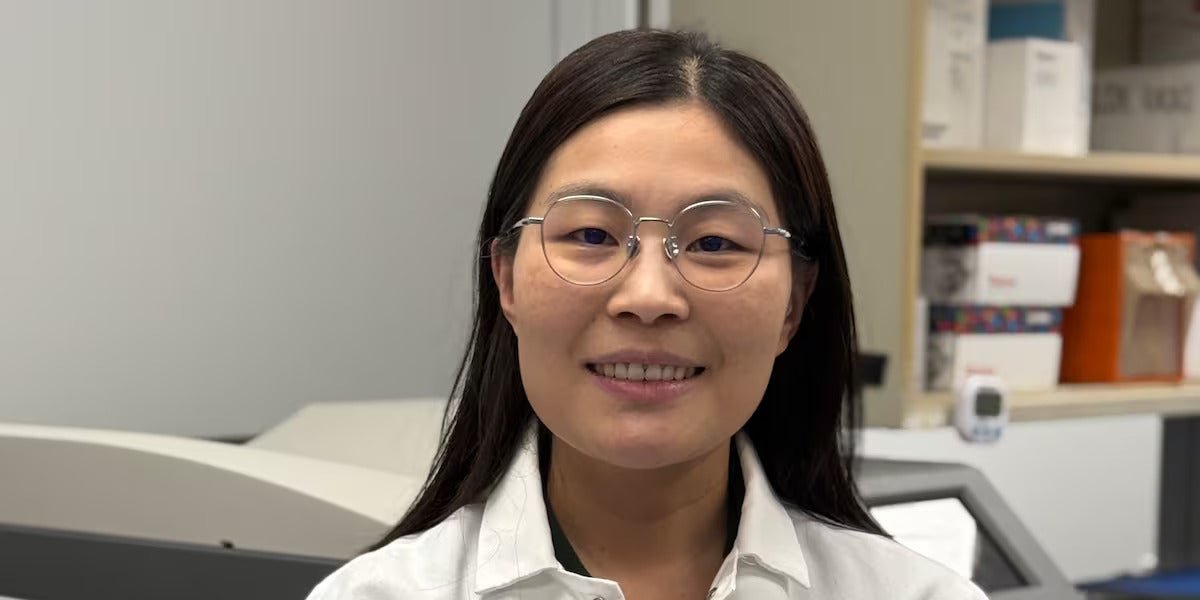 Lulu Jiang Awarded $3.6 Million to Investigate RNA Modifications in Alzheimer’s DiseaseClick Here to View the Publication
December 2024 – Congrats to Lulu Jiang, who was awarded a $3.6 million R01 grant from the National Institute on Aging for her project titled “Epitranscriptomic Mechanism in the Pathogenesis of Alzheimer’s Disease.” Dr. Jiang’s project will investigate a novel aspect of AD biology: the role of RNA modifications in disease progression. Recent findings from her research show that tau aggregation is associated with increased levels of m6A-modified RNA, which disrupts protein translation and contributes to neuronal dysfunction. Her study aims to uncover how dysregulated RNA modifications drive AD pathogenesis and evaluate potential therapeutic strategies. If successful, this work could provide transformative insights into the molecular mechanisms underlying AD and inform the development of novel RNA-targeted therapies.
In the News

Disorders
We study multiple human neurological disorders from cellular and molecular to translational through animal models of disease.
Support Our Mission
Every neuroscience researcher is dedicated to better results for patients. Your donation, whatever its size, can help ensure we are able to offer the best care based on medical research.