Faculty
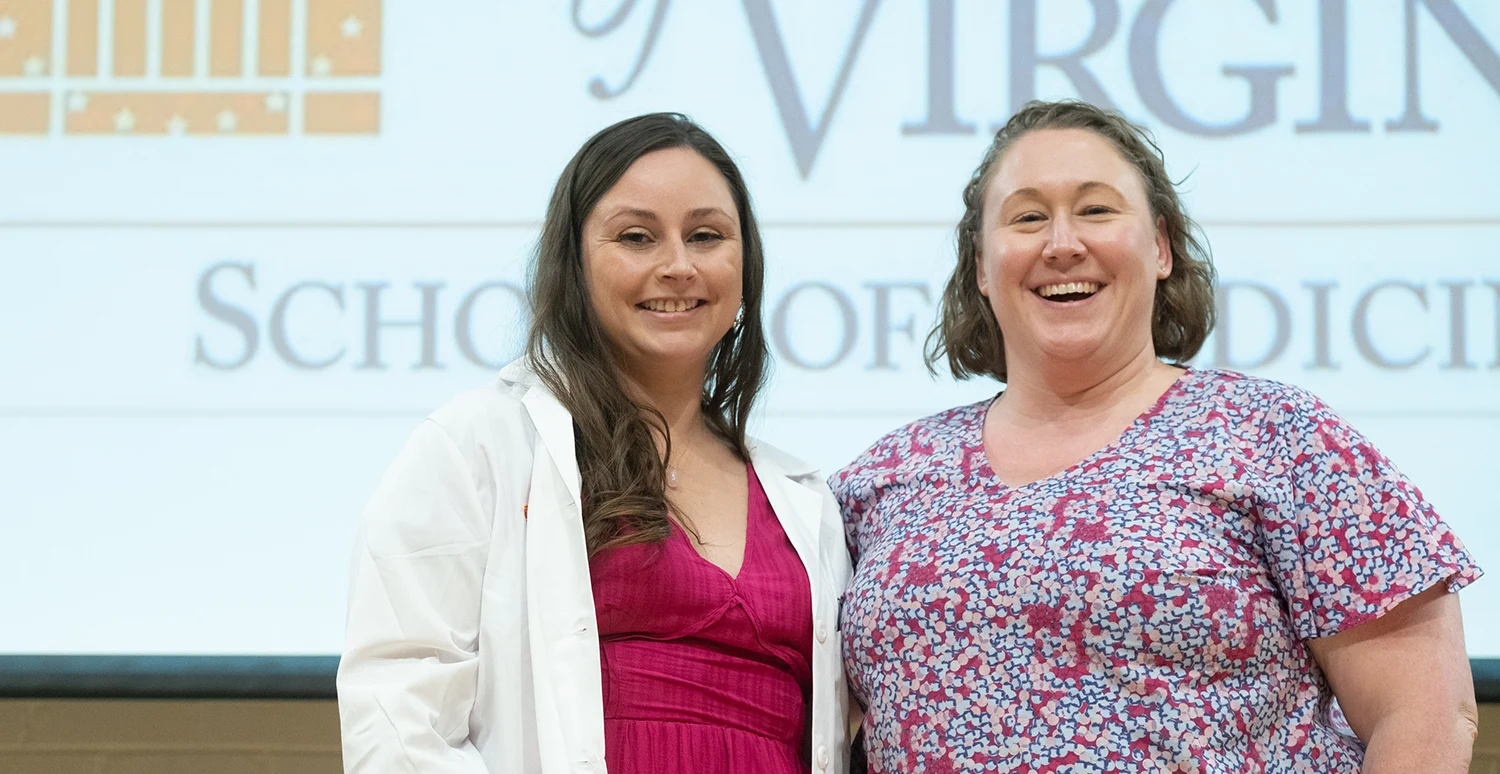
This list, arranged alphabetically, includes all of the BIMS faculty who are approved to train students in at least one of the BIMS degree granting programs. Please feel free to explore this list of over 200 faculty , which highlights the depth and breadth of opportunities available to students who choose to pursue their PhD in our BIMS program. If your interests are focused in one or a few research disciplines, you may prefer exploring these lists in which our faculty are organized by their research interests.
Faculty
The Ubiquitin System and Human Cancer
Tarek A. Abbas
The Ubiquitin System and Human Cancer
Identifying and exploring the role of innate immunity, inflammasome, and interleukin-1 blockade in the pathogenesis and pathophysiology of cardiovascular disease
Antonio Abbate
Identifying and exploring the role of innate immunity, inflammasome, and interleukin-1 blockade in the pathogenesis and pathophysiology of cardiovascular disease
Neurobiology of the cardiovascular and respiratory system, Central mechanisms linking cardiorespiratory function with affective state and emotion
Stephen B. Abbott
Neurobiology of the cardiovascular and respiratory system, Central mechanisms linking cardiorespiratory function with affective state and emotion
Basic and translational brain tumor research
Roger Abounader
Basic and translational brain tumor research
Psychiatry And Neurobehavioral Sciences
David Acunzo, PhD
Psychiatry And Neurobehavioral Sciences
Genetic approaches, cellular and molecular biology of intracellular pathogen infection
Herve Agaisse, PhD
Genetic approaches, cellular and molecular biology of intracellular pathogen infection
Molecular Biosensors; Spatiotemporal Regulation of Biological Signaling; Protein Engineering for Imaging, Diagnostics, and Therapeutics
Huiwang Ai
Molecular Biosensors; Spatiotemporal Regulation of Biological Signaling; Protein Engineering for Imaging, Diagnostics, and Therapeutics
Understanding the Molecular Basis of Macular Degeneration in Order to Hasten the Eradication of Blindness
Jayakrishna Ambati
Understanding the Molecular Basis of Macular Degeneration in Order to Hasten the Eradication of Blindness
Engineering cancer-killing T cells to overcome obstacles in solid tumors
Kristin Anderson
Engineering cancer-killing T cells to overcome obstacles in solid tumors
Innate immunity, Cell clearance, Inflammatory and autoimmune disease
Sanja Arandjelovic
Innate immunity, Cell clearance, Inflammatory and autoimmune disease
Engineering programmable immunotherapies for solid tumors
Stefanie R. Bailey
Engineering programmable immunotherapies for solid tumors
Systems biology approaches to study gene dosage in neurodevelopment and neurodevelopmental disorders
Sameer Subhash Bajikar
Systems biology approaches to study gene dosage in neurodevelopment and neurodevelopmental disorders
Biophysics of membrane pore formation; research and therapeutic applications of lipid nanoparticles.
Huan Bao
Biophysics of membrane pore formation; research and therapeutic applications of lipid nanoparticles.
Cancer metastasis, chemotherapy resistance, genetic and epigenetic regulation
Todd Bauer
Cancer metastasis, chemotherapy resistance, genetic and epigenetic regulation
Mechanisms of neuromodulation in central neurons
Douglas A. Bayliss
Mechanisms of neuromodulation in central neurons
Circuit mechanisms of sleep and epilepsy
Mark P. Beenhakker
Circuit mechanisms of sleep and epilepsy
Computational Biology; Bioinformatics; Precision Medicine; Machine Learning/AI; Quantum Computing
Stefan Bekiranov
Computational Biology; Bioinformatics; Precision Medicine; Machine Learning/AI; Quantum Computing
Genome instability syndromes in cancer and immune deficiencies
Anja Katrin Bielinsky
Genome instability syndromes in cancer and immune deficiencies
Molecular mechanisms linking innate immune and insulin signaling to control cell growth and metabolism
Michelle Bland
Molecular mechanisms linking innate immune and insulin signaling to control cell growth and metabolism
Pathogenic mechanisms in Alzheimer's Disease and other neurodegenerative disorders
George S. Bloom
Pathogenic mechanisms in Alzheimer's Disease and other neurodegenerative disorders
Natural Killer Cells, Viral Immunity, Genetic basis of host resistance to viral infection, Tumor immunity, Immune cell regulation
Michael G. Brown
Natural Killer Cells, Viral Immunity, Genetic basis of host resistance to viral infection, Tumor immunity, Immune cell regulation
Use the olfactory system to examine general problems in the brain maturation, including the role of afferent activity on tissue development and the interplay between evolution and development.
Peter C. Brunjes
Use the olfactory system to examine general problems in the brain maturation, including the role of afferent activity on tissue development and the interplay between evolution and development.
Pathways to enhance T cell function in tumors.
Timothy N. Bullock, PhD
Pathways to enhance T cell function in tumors.
Neonatal brain injury, hypoxic-ischemic encephalopathy, neonatal seizures
Jennifer C Burnsed
Neonatal brain injury, hypoxic-ischemic encephalopathy, neonatal seizures
Drug Development Targeting Transcription Drivers in Cancer; Structure/Function Studies of Transcription Factor Drivers in Cancer
John H. Bushweller
Drug Development Targeting Transcription Drivers in Cancer; Structure/Function Studies of Transcription Factor Drivers in Cancer
Molecular Mechanisms for Membrane Transport and Cell Signaling
David S. Cafiso
Molecular Mechanisms for Membrane Transport and Cell Signaling
1. Molecular and cellular therapy for tissue injury and repair, mainly focusing on heart and lung injury and repair. 2. Cancer biology, mainly focusing on identifying the molecular target that can inhibit the tumorigenesis during aging.
Chuanxi Cai, PhD
1. Molecular and cellular therapy for tissue injury and repair, mainly focusing on heart and lung injury and repair. 2. Cancer biology, mainly focusing on identifying the molecular target that can inhibit the tumorigenesis during aging.
Engineering biomaterials as cellular microenvironments
Steven Caliari
Engineering biomaterials as cellular microenvironments
The Neurobiology of Energy Balance
John Nelson Campbell
The Neurobiology of Energy Balance
Mouse Visual System, physiology, functional imaging, genetics, molecular, behavioral, and computational methods
Jianhua Cang
Mouse Visual System, physiology, functional imaging, genetics, molecular, behavioral, and computational methods
Role of Arf family GTPases in vesicular transport and cytoskeleton assembly.<br> Cell Biology of bacterial pathogenesis. <br>The innate immune response to bacterial infection.
James E. Casanova
Role of Arf family GTPases in vesicular transport and cytoskeleton assembly.<br> Cell Biology of bacterial pathogenesis. <br>The innate immune response to bacterial infection.
Hematology and Oncology, Cell Biology, Lipid Signaling, Cancer Cell Signaling, and RNA Biology
Charles Edward Chalfant
Hematology and Oncology, Cell Biology, Lipid Signaling, Cancer Cell Signaling, and RNA Biology
Computational genomics and bioinformatics; long-read sequencing; structural variation; genome assembly and pangenomics; human genetic variation and disease genomics
Zechen Chong, Ph.D.
Computational genomics and bioinformatics; long-read sequencing; structural variation; genome assembly and pangenomics; human genetic variation and disease genomics
Computational Biology; Machine Learning; Statistical Modeling; Single Cell Biology; Spatial Biology; Liquid Biopsy
Tinyi Chu, PhD
Computational Biology; Machine Learning; Statistical Modeling; Single Cell Biology; Spatial Biology; Liquid Biopsy
Biomedical informatics, neuroscience, Alzheimer Disease and disorders of cognition, knowledge representation and integration, digital commons frameworks, ontologies, FAIR data, FAIR software, FAIR computation, argumentation frameworks, and evidence graphs
Timothy Clark
Biomedical informatics, neuroscience, Alzheimer Disease and disorders of cognition, knowledge representation and integration, digital commons frameworks, ontologies, FAIR data, FAIR software, FAIR computation, argumentation frameworks, and evidence graphs
Herpes Simplex Virus Infection of Neurons
Anna Cliffe
Herpes Simplex Virus Infection of Neurons
Biophysical Chemistry: Membrane protein structure, function, and dynamics
Linda Columbus
Biophysical Chemistry: Membrane protein structure, function, and dynamics
Regulation and Function Serotonergic Neurons During Development
Barry G. Condron
Regulation and Function Serotonergic Neurons During Development
Epigenetic mechanisms involved in complex human disease
Jessica J. Connelly
Epigenetic mechanisms involved in complex human disease
Immuno-Oncology, T cell therapy, TCR Discovery, Next generation cell therapy
Danielle R. Cook
Immuno-Oncology, T cell therapy, TCR Discovery, Next generation cell therapy
Adult-born neurons, perineuronal nets, and microglia in hippocampal plasticity and behavior in health and disease
Elise Cope
Adult-born neurons, perineuronal nets, and microglia in hippocampal plasticity and behavior in health and disease
Neuron-glia and glial-glial interactions
Jaeda Coutinho-Budd
Neuron-glia and glial-glial interactions
The maternal and infant microbiome in childhood growth and immunity
Carrie A. Cowardin
The maternal and infant microbiome in childhood growth and immunity
Cellular and molecular mechanisms of Neisserial pathogenesis
Alison K. Criss
Cellular and molecular mechanisms of Neisserial pathogenesis
Contribution of the Inflammatory Microenvironment to Tumor Initiation, Progression and Metastasis; Molecular Mechanisms of Cancer Chemoprevention
Janet V. Cross, PhD
Contribution of the Inflammatory Microenvironment to Tumor Initiation, Progression and Metastasis; Molecular Mechanisms of Cancer Chemoprevention
Elucidating and Understanding the Mechanisms Underlying Nervous System Development
Christopher Deppmann
Elucidating and Understanding the Mechanisms Underlying Nervous System Development
Host/pathogen Interaction - Chlamydia Infection
Isabelle Derre
Host/pathogen Interaction - Chlamydia Infection
Ion channels and Ca2+-signaling in inflammation, immunity and tissue homeostasis
Bimal N. Desai
Ion channels and Ca2+-signaling in inflammation, immunity and tissue homeostasis
Cell Adhesion and Adhesion-Dependent Cell Signaling in Vertebrate Morphogenesis
Douglas W. DeSimone, PH.D.
Cell Adhesion and Adhesion-Dependent Cell Signaling in Vertebrate Morphogenesis
Uncovering the molecular etiology of neurodegenerative diseases
Nikolay V Dokholyan
Uncovering the molecular etiology of neurodegenerative diseases
Systems Immunology, Cancer Systems Biology, , Neonatal and Maternal Immunology
Sepideh Dolatshahi
Systems Immunology, Cancer Systems Biology, , Neonatal and Maternal Immunology
Herpesvirus gene expression & RNA biology
Sarah Dremel
Herpesvirus gene expression & RNA biology
Multi-modal brain MRI to study different aspects of neurodegenerative diseases. Effects of mild traumatic brain injury on student athletes. Parkinson's Disease and essential tremor.
Thomas Jason Druzgal
Multi-modal brain MRI to study different aspects of neurodegenerative diseases. Effects of mild traumatic brain injury on student athletes. Parkinson's Disease and essential tremor.
The design of self-assembling nanomaterials
Kateri H. DuBay
The design of self-assembling nanomaterials
Tumor microenvironment and mechanisms of tumor neovascularization
Andrew Dudley, PhD
Tumor microenvironment and mechanisms of tumor neovascularization
Neural Development; Cell Division in Neural Stem Cells; Axon Outgrowth and Guidance
Noelle Dwyer
Neural Development; Cell Division in Neural Stem Cells; Axon Outgrowth and Guidance
Cytoskeletal architecture, dynamics and roles in cellular physiology and disease; High-resolution live cell and tissue imaging
Seham Ebrahim
Cytoskeletal architecture, dynamics and roles in cellular physiology and disease; High-resolution live cell and tissue imaging
Structure and Function of Macromolecular Complexes Using Electron Microscopy
Edward H. Egelman
Structure and Function of Macromolecular Complexes Using Electron Microscopy
Pediatric Medicine, Pediatric Hematology and Oncology, Pediatric Cancer
Michael Engel
Pediatric Medicine, Pediatric Hematology and Oncology, Pediatric Cancer
Immune mechanisms of pathogenic antibody production in allergy and autoimmunity
Loren D. Erickson
Immune mechanisms of pathogenic antibody production in allergy and autoimmunity
Developmental Plasticity and Neuropathology of Synaptic Circuitries.
Alev Erisir
Developmental Plasticity and Neuropathology of Synaptic Circuitries.
Innate immunity, chronic disease, host-parasite interactions, Toxoplasma gondii, proteomics
Sarah E Ewald
Innate immunity, chronic disease, host-parasite interactions, Toxoplasma gondii, proteomics
Cancer systems biology, Single-cell quantitative biology, Computational modeling
Mohammad Fallahi-Sichani
Cancer systems biology, Single-cell quantitative biology, Computational modeling
Systems Genetics of Skeletal Development and Maintenance
Charles R. Farber
Systems Genetics of Skeletal Development and Maintenance
Clinical Chemistry and Toxicology. Medical Automation Research. Neurotransmitters, cell surface receptors and intracellular second messengers.
Robin A. Felder
Clinical Chemistry and Toxicology. Medical Automation Research. Neurotransmitters, cell surface receptors and intracellular second messengers.
Brain metabolism, cognitive decline, cholesterol and Alzheimer's disease
Heather Ferris
Brain metabolism, cognitive decline, cholesterol and Alzheimer's disease
Explicating psychological and neurobiological mechanisms of chronic pain.
Patrick Hamilton Finan
Explicating psychological and neurobiological mechanisms of chronic pain.
Impact of APOE and lipid metabolism on cell function in Alzheimer's disease.
Sarah Flowers
Impact of APOE and lipid metabolism on cell function in Alzheimer's disease.
Bacterial attachment and biofilms, microbial transport in porous media
Roseanne M. Ford
Bacterial attachment and biofilms, microbial transport in porous media
Basement Membrane Structure and Metalloproteinases
Jay W. Fox, PhD
Basement Membrane Structure and Metalloproteinases
Novel Therapies for Treating and Preventing Ischemic Heart Disease
Brent A. French
Novel Therapies for Treating and Preventing Ischemic Heart Disease
Super-resolution fluorescence imaging of bacterial cells
Andreas Gahlmann
Super-resolution fluorescence imaging of bacterial cells
Chromosome organization; Nucleosome structure; Histone marks; Structural cell biology
Lu Gan
Chromosome organization; Nucleosome structure; Histone marks; Structural cell biology
RNA-protein interactions in antiviral immunity and autoimmune diseases.
Mariano A. Garcia-Blanco
RNA-protein interactions in antiviral immunity and autoimmune diseases.
Acute Myeloid Leukemia: molecular and cellular biology events which mediate aberrant epigenetic and transcriptional mechanisms during disease establishment and progression
Francine E. Garrett-Bakelman
Acute Myeloid Leukemia: molecular and cellular biology events which mediate aberrant epigenetic and transcriptional mechanisms during disease establishment and progression
Exploring new therapeutics avenues to treat Multiple Sclerosis.
Alban Gaultier
Exploring new therapeutics avenues to treat Multiple Sclerosis.
Blinding disease age-related macular degeneration, utilizing the tools of immunology, molecular biology, and engineering.
Bradley Gelfand
Blinding disease age-related macular degeneration, utilizing the tools of immunology, molecular biology, and engineering.
Hematopathology and Understanding the Molecular Basis of Hematopoiesis and Leukemogenesis
Adam N. Goldfarb
Hematopathology and Understanding the Molecular Basis of Hematopoiesis and Leukemogenesis
Molecular embryology--gene regulation in cells committed to specific developmental lineages
Robert M. Grainger
Molecular embryology--gene regulation in cells committed to specific developmental lineages
Mechanisms of Genetic and Metabolic Adaptation in the Malaria Parasite, Plasmodium falciparum
Jennifer Guler
Mechanisms of Genetic and Metabolic Adaptation in the Malaria Parasite, Plasmodium falciparum
Circadian entrainment for the treatment of metabolic and neurodegenerative diseases
Ali Deniz D. Güler
Circadian entrainment for the treatment of metabolic and neurodegenerative diseases
Vascular wall remodeling, intimal hyperplasia, stenosis, aneurysm, retinal degeneration.
Lian-Wang Guo
Vascular wall remodeling, intimal hyperplasia, stenosis, aneurysm, retinal degeneration.
Immune regulation for HCV infection and chronic liver inflammation
Young S. Hahn
Immune regulation for HCV infection and chronic liver inflammation
Regeneration and Systemic Responses to Tissue Damage
Adrian J. Halme
Regeneration and Systemic Responses to Tissue Damage
Post Transcriptional Gene Regulation and the Molecular Biology of Human Retroviruses
Marie-Louise Hammarskjold
Post Transcriptional Gene Regulation and the Molecular Biology of Human Retroviruses
Molecular mechanisms controlling insulin signaling and fat synthesis.
Thurl E Harris, PhD
Molecular mechanisms controlling insulin signaling and fat synthesis.
Immune response to infectious disease in the CNS
Tajie H. Harris
Immune response to infectious disease in the CNS
Development and plasticity of sensory systems
David Hill
Development and plasticity of sensory systems
Understanding Cellular and Molecular Mechanisms Leading to Blood Vessel Formation
Karen Kemper Hirschi
Understanding Cellular and Molecular Mechanisms Leading to Blood Vessel Formation
Molecular genetics; development and function of neurotransmitter-synthesizing neurons in Drosophila
Jay Hirsh
Molecular genetics; development and function of neurotransmitter-synthesizing neurons in Drosophila
Translating our discoveries in the microcirculation to tangible benefits in patients.
Brant Isakson
Translating our discoveries in the microcirculation to tangible benefits in patients.
Systems-biology approaches to cancer biology and virology.
Kevin A. Janes
Systems-biology approaches to cancer biology and virology.
The Pathophysiology of neurodegenerative diseases, including Alzheimer’s disease (AD), Parkinson’s disease (PD) and other dementia-related disorders.
Lulu Jiang
The Pathophysiology of neurodegenerative diseases, including Alzheimer’s disease (AD), Parkinson’s disease (PD) and other dementia-related disorders.
Mechanisms by which cells direct and regulate protein targeting to the ER and mitochondria, and how molecular control of cell dormancy impacts health and disease.
Ahmad Jomaa, PhD
Mechanisms by which cells direct and regulate protein targeting to the ER and mitochondria, and how molecular control of cell dormancy impacts health and disease.
Neuronal circuits underlying infant behaviors, including sleep and social behavior
Harris Kaplan
Neuronal circuits underlying infant behaviors, including sleep and social behavior
Seizures, neuronal excitability and plasticity
Jaideep Kapur
Seizures, neuronal excitability and plasticity
The Role of Mitochondrial Fusion and Fission in Tumorigenesis.
David F Kashatus
The Role of Mitochondrial Fusion and Fission in Tumorigenesis.
Metabolic and Genetic Regulation of Aging, Redox Biology, DNA Repair, Comparative and Functional Genomics, Stress Resistance, Drug Discovery, Evolutionary Biology, Synthetic and Systems Biology for Evolutionary Engineering, Adaptive Evolution, Mitochondrial Signaling, Neurodegenerative Diseases
Alaattin Kaya
Metabolic and Genetic Regulation of Aging, Redox Biology, DNA Repair, Comparative and Functional Genomics, Stress Resistance, Drug Discovery, Evolutionary Biology, Synthetic and Systems Biology for Evolutionary Engineering, Adaptive Evolution, Mitochondrial Signaling, Neurodegenerative Diseases
Cellular and molecular mechanisms of morphogenesis
Raymond E. Keller
Cellular and molecular mechanisms of morphogenesis
Advancement in the design of imaging agents; molecular imaging and radiological sciences.
Kimberly Kelly
Advancement in the design of imaging agents; molecular imaging and radiological sciences.
Bacterial cell signaling, host-pathogen interactions, intestinal pathogens
Melissa M. Kendall
Bacterial cell signaling, host-pathogen interactions, intestinal pathogens
Architecture and function of biological membranes
Anne Kenworthy
Architecture and function of biological membranes
Regulation of Polarized Morphogenesis
Keith G. Kozminski
Regulation of Polarized Morphogenesis
The role of glia in the development, maintenance and regeneration of the nervous system
Sarah C Kucenas
The role of glia in the development, maintenance and regeneration of the nervous system
Precision medicine, translational science, regeneration, organoids, high resolution imaging, computational modeling
Saurabh Kulkarni
Precision medicine, translational science, regeneration, organoids, high resolution imaging, computational modeling
RNA regulatory networks and RNA binding proteins during cardiovascular development and in cardiovascular disease
Muge N Kuyumcu-Martinez
RNA regulatory networks and RNA binding proteins during cardiovascular development and in cardiovascular disease
Molecular and metabolic adaptations of cancer cells.
MariCarmen Lafita Navarro
Molecular and metabolic adaptations of cancer cells.
Neural tissue engineering, biomaterials, drug delivery, redox regulation of stem cell fate, engineering cell-interactive microenvironments
Kyle Lampe
Neural tissue engineering, biomaterials, drug delivery, redox regulation of stem cell fate, engineering cell-interactive microenvironments
Bioanalytical Chemistry on Microchips
James P. Landers
Bioanalytical Chemistry on Microchips
Restoration of Homeostasis in Disease
Gordon W. Laurie
Restoration of Homeostasis in Disease
Cancer Biology, Tumor Cell of Origin and Tumor Microenvironment, Neurofibromatosis and Schwann Cell Biology, Skin and Hair Stem Cell Biology & Regeneration
Lu Q Le
Cancer Biology, Tumor Cell of Origin and Tumor Microenvironment, Neurofibromatosis and Schwann Cell Biology, Skin and Hair Stem Cell Biology & Regeneration
Role of lipid oxidation products in inflammation and vascular immunology in atherosclerosis and diabetes
Norbert Leitinger
Role of lipid oxidation products in inflammation and vascular immunology in atherosclerosis and diabetes
Composition, Biophysics and Physiology of Cellular Membranes
Ilya Levental
Composition, Biophysics and Physiology of Cellular Membranes
Gene regulation in cancer, RNA processing; Epigenetic modification; Stem cell and development
Hui Li
Gene regulation in cancer, RNA processing; Epigenetic modification; Stem cell and development
Developing novel neuroprotection strategies to preserve vision in glaucoma
Xiaorong Liu
Developing novel neuroprotection strategies to preserve vision in glaucoma
Genetic and Epigenetic stability in human cancer
Wenpeng Liu
Genetic and Epigenetic stability in human cancer
Hematologic malignancies; bone marrow disorders; leukemia; large granular lymphocyte (LGL)
Thomas P Loughran, Jr.
Hematologic malignancies; bone marrow disorders; leukemia; large granular lymphocyte (LGL)
Wnt/PCP signaling in inner ear development Mouse models for human deafness Wnt/PCP signaling in neural tube closure
Xiaowei Lu
Wnt/PCP signaling in inner ear development Mouse models for human deafness Wnt/PCP signaling in neural tube closure
Neuron-glia communications, brain plasticity and homeostasis, glial responses to neurodegeneration
Tsai-Yi Lu
Neuron-glia communications, brain plasticity and homeostasis, glial responses to neurodegeneration
Understanding How Immunological Pathways Contribute to Neurodegenerative, Neurodevelopmental, Mental and Behavior Disorders
John R. Lukens
Understanding How Immunological Pathways Contribute to Neurodegenerative, Neurodevelopmental, Mental and Behavior Disorders
Chemical biology of sphingosine 1-phosphate
Kevin R. Lynch
Chemical biology of sphingosine 1-phosphate
Behavioral Pharmacology, Sex Differences, Animal Models of Addiction
Wendy J. Lynch
Behavioral Pharmacology, Sex Differences, Animal Models of Addiction
Statistical Genetics, Genetic Epidemiology, Biostatistics, Network analysis
Ani Manichaikul
Statistical Genetics, Genetic Epidemiology, Biostatistics, Network analysis
Identifying tumor selective drug targets, Understanding the genetic drivers of tumor immune evasion
Timothy D Martin
Identifying tumor selective drug targets, Understanding the genetic drivers of tumor immune evasion
Immune System Regulation of Cardiometabolic Disease
Coleen A. McNamara
Immune System Regulation of Cardiometabolic Disease
Neural Mechanisms of Pattern Learning and Recognition in the Auditory System
C. Daniel Meliza
Neural Mechanisms of Pattern Learning and Recognition in the Auditory System
Genetic variation, Complex diseases, Coronary artery disease, Genomics, Epigenomics, Regulatory mechanisms, Vascular biology, Pharmacology and Physiology
Clint L. Miller
Genetic variation, Complex diseases, Coronary artery disease, Genomics, Epigenomics, Regulatory mechanisms, Vascular biology, Pharmacology and Physiology
Cell signaling, stem cell biology, molecular and epigenetic mechanisms of blood and breast cancers
Golam Mohi
Cell signaling, stem cell biology, molecular and epigenetic mechanisms of blood and breast cancers
Molecular pathogenesis and genomic analysis of human cancers
Christopher A. Moskaluk
Molecular pathogenesis and genomic analysis of human cancers
Regulation and function of tyrosine phosphorylation in complex networks
Kristen Naegle
Regulation and function of tyrosine phosphorylation in complex networks
Pathogenesis of diarrheagenic Escherichia coli and Shigella.
James P. Nataro
Pathogenesis of diarrheagenic Escherichia coli and Shigella.
Mitochondrial regulation of innate immune and antiviral signaling
Laura Elizabeth Newman
Mitochondrial regulation of innate immune and antiviral signaling
Understanding the neural code underlying motivated behaviors like feeding, drinking, and social interaction, with a focus on how malfunction in associated brain areas are involved in diseases like addiction and eating disorders
Edward Horng-An Nieh
Understanding the neural code underlying motivated behaviors like feeding, drinking, and social interaction, with a focus on how malfunction in associated brain areas are involved in diseases like addiction and eating disorders
Identification of Factors and Mechanisms that Regulate the Stability of Late Stage Atherosclerotic Lesions and the Probability of Thromboembolic Events Including a Heart Attack or Stroke
Gary K. Owens
Identification of Factors and Mechanisms that Regulate the Stability of Late Stage Atherosclerotic Lesions and the Probability of Thromboembolic Events Including a Heart Attack or Stroke
Investigating the cell-biological foundations of development
Ariel Pani
Investigating the cell-biological foundations of development
Systems biology, infectious disease, cancer, toxicology, metabolic engineering
Jason Papin
Systems biology, infectious disease, cancer, toxicology, metabolic engineering
Developmental Genetics, Evolution and Regeneration
David Parichy
Developmental Genetics, Evolution and Regeneration
Mechanisms of tissue/organ homeostasis and tumorigeensis
Kwon Park
Mechanisms of tissue/organ homeostasis and tumorigeensis
Cell and molecular physiology, regenerative medicine, cancer biology, muscle and cardiovascular diseases, diabetes, geriatric medicine and Alzheimer’s disease, and therapeutic development.
Ki Ho Park
Cell and molecular physiology, regenerative medicine, cancer biology, muscle and cardiovascular diseases, diabetes, geriatric medicine and Alzheimer’s disease, and therapeutic development.

Nuclear Transport, Signaling, and Cancer
Bryce M. Paschal
Nuclear Transport, Signaling, and Cancer
Understanding the cellular mechanisms by which seizures are initiated in SCN8A epileptic encephalopathy (DEE13) and temporal lobe epilepsy. My lab uses a number of experimental techniques including patch clamp electrophysiology and in vivo seizure monitor
Manoj Patel
Understanding the cellular mechanisms by which seizures are initiated in SCN8A epileptic encephalopathy (DEE13) and temporal lobe epilepsy. My lab uses a number of experimental techniques including patch clamp electrophysiology and in vivo seizure monitor
Our research uses a systems bioengineering approach to investigate how aberrant signaling leads to distinct metabolic and epigenetic states, and to devise strategies for therapeutic reprogramming.
B. Bishal Paudel, PhD
Our research uses a systems bioengineering approach to investigate how aberrant signaling leads to distinct metabolic and epigenetic states, and to devise strategies for therapeutic reprogramming.
Tissue Engineering and Regeneration, Computational Systems Biology, Vascular Growth and Remodeling, Stem Cell Therapies
Shayn M. Peirce-Cottler
Tissue Engineering and Regeneration, Computational Systems Biology, Vascular Growth and Remodeling, Stem Cell Therapies
Director of Graduate Studies for Microbiology, Immunology and Cancer Biology
Lucy F. Pemberton
Director of Graduate Studies for Microbiology, Immunology and Cancer Biology
Exploring epilepsy circuits then preventing seizures using gene therapies. Developing drug-inducible genetic switches for insulin replacement gene therapies.
Edward Perez-Reyes
Exploring epilepsy circuits then preventing seizures using gene therapies. Developing drug-inducible genetic switches for insulin replacement gene therapies.
Gene regulatory networks, Systems genetics, Multi-omic data integration, Network science
John Platig, PhD
Gene regulatory networks, Systems genetics, Multi-omic data integration, Network science
Bioanalytical tools for inflammatory disease
Rebecca Pompano
Bioanalytical tools for inflammatory disease
Image Guided Drug and Gene Delivery for Neurodegeneration and Cancer; Focused Ultrasound and Immunotherapy; Arteriogenesis and Angiogenesis
Richard J. Price
Image Guided Drug and Gene Delivery for Neurodegeneration and Cancer; Focused Ultrasound and Immunotherapy; Arteriogenesis and Angiogenesis
The Proctor Laboratory integrates systems biology with molecular, cellular, and systems neuroscience into a cutting-edge framework for investigation of multi-scale mechanisms of Alzheimer's disease risk, onset, and progression.
Elizabeth A. Proctor
The Proctor Laboratory integrates systems biology with molecular, cellular, and systems neuroscience into a cutting-edge framework for investigation of multi-scale mechanisms of Alzheimer's disease risk, onset, and progression.
The Role of Melanopsin Retinal Ganglion Cells in the Photic Regulation of Mammalian Circadian Rhythms
Ignacio Provencio
The Role of Melanopsin Retinal Ganglion Cells in the Photic Regulation of Mammalian Circadian Rhythms
Innate Inflammatory Pathways Associated with Acute Aneurysmal Subarachnoid Hemorrhage
Jose Javier Provencio
Innate Inflammatory Pathways Associated with Acute Aneurysmal Subarachnoid Hemorrhage
Developmental Cognitive Neuroscience
Meghan H. Puglia, PhD
Developmental Cognitive Neuroscience
Novel therapeutic approaches to brain cancers and to other neurologic diseases
Benjamin W. Purow
Novel therapeutic approaches to brain cancers and to other neurologic diseases
“Machine Learning for Big Data Analytics In Biomedicine"
Yanjun Qi
“Machine Learning for Big Data Analytics In Biomedicine"
Delineate the physiological importance and structure-function relationship of ER-associated degradation in humans.
Ling Qi
Delineate the physiological importance and structure-function relationship of ER-associated degradation in humans.
Genomics, Molecular Evolution, Algorithm Design and Analysis
Aakrosh Ratan
Genomics, Molecular Evolution, Algorithm Design and Analysis
Chromosome segregation and aneuploidy in meiosis and mitosis
Stefanie Redemann
Chromosome segregation and aneuploidy in meiosis and mitosis
Human Immunodeficiency Virus Gene Expression; Human Endogenous Viruses; SARS-CoV-2 Protein Trafficking; Post-transcriptional Gene Regulation
David M. Rekosh
Human Immunodeficiency Virus Gene Expression; Human Endogenous Viruses; SARS-CoV-2 Protein Trafficking; Post-transcriptional Gene Regulation
Assembly and Plasticity of Neural Circuits
Adema Ribic
Assembly and Plasticity of Neural Circuits
Genetic basis of common human disease, including type 1 diabetes, diabetic complications, ischemic stroke, atherosclerosis
Stephen S. Rich
Genetic basis of common human disease, including type 1 diabetes, diabetic complications, ischemic stroke, atherosclerosis
Psychiatry and Neurobehavioral Sciences
Roxann Roberson-Nay
Psychiatry and Neurobehavioral Sciences
Objective and quantitative modeling of data from imaging and other types of sensors
Gustavo Kunde Rohde
Objective and quantitative modeling of data from imaging and other types of sensors
Anti-tumor immunity in brain tumors, Cancer Neuroscience
James Ross
Anti-tumor immunity in brain tumors, Cancer Neuroscience
Influence of commensal microbes on immune homeostasis, anti-tumor immunity, and metastasis
Melanie Rutkowski
Influence of commensal microbes on immune homeostasis, anti-tumor immunity, and metastasis
Roles of complex signaling networks involved in the regulation of cardiovascular function and disease
Jeffrey J. Saucerman
Roles of complex signaling networks involved in the regulation of cardiovascular function and disease
Regulation of transcription by nuclear hormone receptors, transcriptional control of metabolism and inflammation, small molecule approaches to drug discovery
Ira G. Schulman
Regulation of transcription by nuclear hormone receptors, transcriptional control of metabolism and inflammation, small molecule approaches to drug discovery
Advanced Immunotherapies, Nanotechnology, Biomaterials Science, Tissue Engineering
Evan Alexander Scott
Advanced Immunotherapies, Nanotechnology, Biomaterials Science, Tissue Engineering
Regulatory T Cell biology in Inflammatory and Autoimmune Diseases.
Rahul Sharma
Regulatory T Cell biology in Inflammatory and Autoimmune Diseases.
computational biology & bioinformatics; high performance computing; epigenomics & chromatin; pediatric cancer; computational regulatory genomics; machine learning
Nathan Sheffield
computational biology & bioinformatics; high performance computing; epigenomics & chromatin; pediatric cancer; computational regulatory genomics; machine learning
Proteoform Systems Biology: proteogenomic approaches to uncover the role of proteomic variation in human disease
Gloria M. Sheynkman
Proteoform Systems Biology: proteogenomic approaches to uncover the role of proteomic variation in human disease
Molecular and genetic determinants of atherosclerosis and cardiometabolic disorders.
Weibin Shi
Molecular and genetic determinants of atherosclerosis and cardiometabolic disorders.
Regulation of neural stem cell proliferation during development and adulthood
Sarah Siegrist
Regulation of neural stem cell proliferation during development and adulthood
Transcriptional Silencing and Aging in Yeast
Jeffrey S. Smith
Transcriptional Silencing and Aging in Yeast
biophysics, biophysics & structural biology, cardiovascular biology, and physiology
Avril V. Somlyo
biophysics, biophysics & structural biology, cardiovascular biology, and physiology
Identify the calcium signaling abnormalities that lead to vascular dysfunction and blood pressure elevation in cardiovascular disorders
Swapnil Sonkusare
Identify the calcium signaling abnormalities that lead to vascular dysfunction and blood pressure elevation in cardiovascular disorders
Role of Glia in Neurological Illnesses and Cancer
Harald Sontheimer
Role of Glia in Neurological Illnesses and Cancer
Gram-positive pathogenesis; type VII secretion; impact of secreted effectors on host-pathogen interactions and immune responses
Brady Spencer
Gram-positive pathogenesis; type VII secretion; impact of secreted effectors on host-pathogen interactions and immune responses
Immune Responses in asthma, pulmonary fibrosis, and lung injury.
Anne I. Sperling
Immune Responses in asthma, pulmonary fibrosis, and lung injury.
Spatial Cell Biology. Neuronal Morphogenesis and Disease. Cancer Migration and Invasion.
Elias T Spiliotis
Spatial Cell Biology. Neuronal Morphogenesis and Disease. Cancer Migration and Invasion.
Mechanisms of chromosome segregation in Mitosis and generation of Chromosomal Instability in tumors
P. Todd Stukenberg
Mechanisms of chromosome segregation in Mitosis and generation of Chromosomal Instability in tumors
Lung injury, repair, and fibrosis; B cell immunology
Jeffrey M Sturek
Lung injury, repair, and fibrosis; B cell immunology
Viral immunology, Cancer immunology, Aging, Mucosal Immunology
Jie Sun
Viral immunology, Cancer immunology, Aging, Mucosal Immunology
Role of endoplasmic reticulum-associated protein degradation in health and disease
Shengyi Iris Sun
Role of endoplasmic reticulum-associated protein degradation in health and disease
Cell behavior and morphogenesis during early mouse development.
Ann E. Sutherland
Cell behavior and morphogenesis during early mouse development.
Molecular and bioelectric devices; tissue regeneration.
Nathan Swami
Molecular and bioelectric devices; tissue regeneration.
Regulation of cell-surface stability and intracellular trafficking of membrane proteins in epithelial cells
Agnieszka Swiatecka-Urban
Regulation of cell-surface stability and intracellular trafficking of membrane proteins in epithelial cells
Prokaryotic immune systems, bacteriophage virology, programmed cell death, pore-forming proteins, evolution of immunity, cGAS-STING, protein engineering
Uday Tak
Prokaryotic immune systems, bacteriophage virology, programmed cell death, pore-forming proteins, evolution of immunity, cGAS-STING, protein engineering
Biomembrane Structure and Function; Cell Entry of Enveloped Viruses; Neurosecretion by Exocytosis; Structure of Bacterial Pathogen Membrane Proteins; Lipid-Protein Interactions
Lukas K. Tamm
Biomembrane Structure and Function; Cell Entry of Enveloped Viruses; Neurosecretion by Exocytosis; Structure of Bacterial Pathogen Membrane Proteins; Lipid-Protein Interactions
Understanding Protein and RNA regulations of gene expression via chromatin structure in myeloid cell development and diseases
Bon Q Trinh
Understanding Protein and RNA regulations of gene expression via chromatin structure in myeloid cell development and diseases
Membrane-transport physiology and biophysics
Ming-Feng Tsai
Membrane-transport physiology and biophysics
Vascular Biology, Nanotechnology, Biomaterials, Drug Delivery
Nick Dimitrios Tsihlis
Vascular Biology, Nanotechnology, Biomaterials, Drug Delivery
Analytical Neurochemistry; Dopamine and Serotonin Neurotransmission in Drosophila; Mechanisms of rapid adenosine signaling in rodents
B. Jill Venton
Analytical Neurochemistry; Dopamine and Serotonin Neurotransmission in Drosophila; Mechanisms of rapid adenosine signaling in rodents
Iron metabolism and Immunometabolism in inflammation and autoimmune diseases
Kelsey Voss
Iron metabolism and Immunometabolism in inflammation and autoimmune diseases
Clonal hematopoiesis: A new mechanism of cardiovascular disease
Kenneth Walsh
Clonal hematopoiesis: A new mechanism of cardiovascular disease
Genome instability in cancer and repeat expansion diseases
Yuh-Hwa Wang
Genome instability in cancer and repeat expansion diseases
Cancer biology and immunology, Immuno-oncology, Immunometabolism, Genetically-engineered mouse models
Qiwei Wang
Cancer biology and immunology, Immuno-oncology, Immunometabolism, Genetically-engineered mouse models
Mechanisms of DNA repair in chromatin
Tyler M. Weaver
Mechanisms of DNA repair in chromatin
Psychiatry And Neurobehavioral Sciences
Marina Weiler, PhD
Psychiatry And Neurobehavioral Sciences
Neural control of cardiorespiratory function in health and disease
Ian C Wenker
Neural control of cardiorespiratory function in health and disease
The formation, function, coordination, and pathology of multinucleated cell types that make up the placenta and musculoskeletal system.
Jarred M Whitlock
The formation, function, coordination, and pathology of multinucleated cell types that make up the placenta and musculoskeletal system.
Endosomal function and dysfunction in neurons. Development of the nervous system: cytoskeleton and membrane traffic in axon and dendrite growth.
Bettina Winckler
Endosomal function and dysfunction in neurons. Development of the nervous system: cytoskeleton and membrane traffic in axon and dendrite growth.
Unraveling the Role of Obesity, Diet, and Lifestyle Factors in Melanoma Progression and Treatment Efficacy
Russell Gardner Witt
Unraveling the Role of Obesity, Diet, and Lifestyle Factors in Melanoma Progression and Treatment Efficacy
Identification of genes and pathways that cause or modify cardiac hypertrophy and heart failure.
Matthew J Wolf
Identification of genes and pathways that cause or modify cardiac hypertrophy and heart failure.
The immune response to common cold and allergens in health and disease.
Judith A. Woodfolk
The immune response to common cold and allergens in health and disease.
Investigating regeneration through genetics and single-cell analysis
Melanie I. Worley
Investigating regeneration through genetics and single-cell analysis
Regulation of Gene Expression, Development and Tumor Progression by TGF beta Signaling
David Wotton
Regulation of Gene Expression, Development and Tumor Progression by TGF beta Signaling
Cardiovascular Development and Cerebrovascular Pathologies
Joshua D Wythe
Cardiovascular Development and Cerebrovascular Pathologies
Molecular Imaging; Cancer Immunology; Vaccines.
Jinghang Xie
Molecular Imaging; Cancer Immunology; Vaccines.
Researching fundamental roles of the epigenome in control of the context-specific transcriptional programs.
Kexin Xu
Researching fundamental roles of the epigenome in control of the context-specific transcriptional programs.
Genetic and Molecular Epidemiology; Cancer; Human Microbiome
Yaohua Yang
Genetic and Molecular Epidemiology; Cancer; Human Microbiome
Structural biology, Cryo-EM, Mitochondrial stress, Integrated stress response, De novo protein design, Drug development, Neurodegeneration, Heart disease, Cancer
Jie Yang
Structural biology, Cryo-EM, Mitochondrial stress, Integrated stress response, De novo protein design, Drug development, Neurodegeneration, Heart disease, Cancer
Development and regulation of retinal ganglion cells (RGCs) and blood vessels as they relate to retinal diseases.
Paul A. Yates
Development and regulation of retinal ganglion cells (RGCs) and blood vessels as they relate to retinal diseases.
Bioinformatics methodology development; Epigenetics and chromatin biology; Transcriptional regulation; Cancer genomics and epigenomics; Statistical methods for biomedical data integration; Advanced machine learning; Theoretical and computational biophysics
Chongzhi Zang
Bioinformatics methodology development; Epigenetics and chromatin biology; Transcriptional regulation; Cancer genomics and epigenomics; Statistical methods for biomedical data integration; Advanced machine learning; Theoretical and computational biophysics
Unraveling the role of host microbe interactions in autoimmune diseases
Daniel Fernando Zegarra-Ruiz
Unraveling the role of host microbe interactions in autoimmune diseases
Pathogenesis of infectious diseases and the development of new therapies and vaccines for infectious diseases and cancers.
Steven L. Zeichner, MD, PhD
Pathogenesis of infectious diseases and the development of new therapies and vaccines for infectious diseases and cancers.
Mechanisms of Huntington's Disease Pathogenesis
Scott O. Zeitlin
Mechanisms of Huntington's Disease Pathogenesis
Data Mining, Machine Learning, Bioinformatics, Health Informatics
Aidong Zhang
Data Mining, Machine Learning, Bioinformatics, Health Informatics
Integrating high-throughput proteomic, chemical, genetic and computational tools for target identification and drug discovery in cancer biology
Tian Zhang
Integrating high-throughput proteomic, chemical, genetic and computational tools for target identification and drug discovery in cancer biology
Genetics, Functional Genomics, Epigenetics, Lung repair/regeneration, Metabolic regulation, Alveolar stem cells, Chromatin interaction, Innate immune response, Live-cell imaging
Anny Xiaobo Zhou
Genetics, Functional Genomics, Epigenetics, Lung repair/regeneration, Metabolic regulation, Alveolar stem cells, Chromatin interaction, Innate immune response, Live-cell imaging
Transport of biopolymers across biological membranes with a particular interest in polysaccharide and protein translocation.
Jochen Zimmer
Transport of biopolymers across biological membranes with a particular interest in polysaccharide and protein translocation.