Computational Biology
About
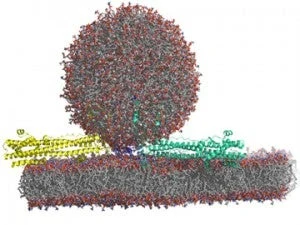
Research in Computational Biology at UVA uses mathematical and computational techniques to analyze, explain, and predict biological systems.The past years have brought a dramatic increase in the amount of experimental data generated by high-throughput sequencing, proteomics, metabolic and gene expression profiling, and structural techniques. Simultaneously, the computational power we have available has continued to increase exponentially. We thus have huge data sets at our disposal coupled with the ability to make increasingly sophisticated analyses.
Computational biology at UVA includes cutting-edge research in computational biophysics, genomics, computational structural biology, and computational systems biology. Our work is focused on addressing fundamental biological questions and understanding diseases of medical relevance, such as cancer, cardiovascular disease, lung infections in cystic fibrosis, drug-resistant bacterial infections, and influenza.
In addition to analyzing biological systems, many laboratories at UVA combine computational and experimental work, using sophisticated tools to analyze biomolecular behavior and then verifying predictions in the lab.
Faculty
Genetic approaches, cellular and molecular biology of intracellular pathogen infection
Herve Agaisse, PhD
Genetic approaches, cellular and molecular biology of intracellular pathogen infection
Systems biology approaches to study gene dosage in neurodevelopment and neurodevelopmental disorders
Sameer Subhash Bajikar
Systems biology approaches to study gene dosage in neurodevelopment and neurodevelopmental disorders
Computational Biology; Bioinformatics; Precision Medicine; Machine Learning/AI; Quantum Computing
Stefan Bekiranov
Computational Biology; Bioinformatics; Precision Medicine; Machine Learning/AI; Quantum Computing
The Neurobiology of Energy Balance
John Nelson Campbell
The Neurobiology of Energy Balance
Computational genomics and bioinformatics; long-read sequencing; structural variation; genome assembly and pangenomics; human genetic variation and disease genomics
Zechen Chong, Ph.D.
Computational genomics and bioinformatics; long-read sequencing; structural variation; genome assembly and pangenomics; human genetic variation and disease genomics
Computational Biology; Machine Learning; Statistical Modeling; Single Cell Biology; Spatial Biology; Liquid Biopsy
Tinyi Chu, PhD
Computational Biology; Machine Learning; Statistical Modeling; Single Cell Biology; Spatial Biology; Liquid Biopsy
Regulation and Function Serotonergic Neurons During Development
Barry G. Condron
Regulation and Function Serotonergic Neurons During Development
Cell Adhesion and Adhesion-Dependent Cell Signaling in Vertebrate Morphogenesis
Douglas W. DeSimone, PH.D.
Cell Adhesion and Adhesion-Dependent Cell Signaling in Vertebrate Morphogenesis
Uncovering the molecular etiology of neurodegenerative diseases
Nikolay V Dokholyan
Uncovering the molecular etiology of neurodegenerative diseases
Systems Immunology, Cancer Systems Biology, , Neonatal and Maternal Immunology
Sepideh Dolatshahi
Systems Immunology, Cancer Systems Biology, , Neonatal and Maternal Immunology
Cancer systems biology, Single-cell quantitative biology, Computational modeling
Mohammad Fallahi-Sichani
Cancer systems biology, Single-cell quantitative biology, Computational modeling
Systems Genetics of Skeletal Development and Maintenance
Charles R. Farber
Systems Genetics of Skeletal Development and Maintenance
Bacterial attachment and biofilms, microbial transport in porous media
Roseanne M. Ford
Bacterial attachment and biofilms, microbial transport in porous media
Systems-biology approaches to cancer biology and virology.
Kevin A. Janes
Systems-biology approaches to cancer biology and virology.
Gene regulation in cancer, RNA processing; Epigenetic modification; Stem cell and development
Hui Li
Gene regulation in cancer, RNA processing; Epigenetic modification; Stem cell and development
Hematologic malignancies; bone marrow disorders; leukemia; large granular lymphocyte (LGL)
Thomas P Loughran, Jr.
Hematologic malignancies; bone marrow disorders; leukemia; large granular lymphocyte (LGL)
Statistical Genetics, Genetic Epidemiology, Biostatistics, Network analysis
Ani Manichaikul
Statistical Genetics, Genetic Epidemiology, Biostatistics, Network analysis
Neural Mechanisms of Pattern Learning and Recognition in the Auditory System
C. Daniel Meliza
Neural Mechanisms of Pattern Learning and Recognition in the Auditory System
Genetic variation, Complex diseases, Coronary artery disease, Genomics, Epigenomics, Regulatory mechanisms, Vascular biology, Pharmacology and Physiology
Clint L. Miller
Genetic variation, Complex diseases, Coronary artery disease, Genomics, Epigenomics, Regulatory mechanisms, Vascular biology, Pharmacology and Physiology
Regulation and function of tyrosine phosphorylation in complex networks
Kristen Naegle
Regulation and function of tyrosine phosphorylation in complex networks
Understanding the neural code underlying motivated behaviors like feeding, drinking, and social interaction, with a focus on how malfunction in associated brain areas are involved in diseases like addiction and eating disorders
Edward Horng-An Nieh
Understanding the neural code underlying motivated behaviors like feeding, drinking, and social interaction, with a focus on how malfunction in associated brain areas are involved in diseases like addiction and eating disorders
Systems biology, infectious disease, cancer, toxicology, metabolic engineering
Jason Papin
Systems biology, infectious disease, cancer, toxicology, metabolic engineering
Tissue Engineering and Regeneration, Computational Systems Biology, Vascular Growth and Remodeling, Stem Cell Therapies
Shayn M. Peirce-Cottler
Tissue Engineering and Regeneration, Computational Systems Biology, Vascular Growth and Remodeling, Stem Cell Therapies
Gene regulatory networks, Systems genetics, Multi-omic data integration, Network science
John Platig, PhD
Gene regulatory networks, Systems genetics, Multi-omic data integration, Network science
The Proctor Laboratory integrates systems biology with molecular, cellular, and systems neuroscience into a cutting-edge framework for investigation of multi-scale mechanisms of Alzheimer's disease risk, onset, and progression.
Elizabeth A. Proctor
The Proctor Laboratory integrates systems biology with molecular, cellular, and systems neuroscience into a cutting-edge framework for investigation of multi-scale mechanisms of Alzheimer's disease risk, onset, and progression.
Genomics, Molecular Evolution, Algorithm Design and Analysis
Aakrosh Ratan
Genomics, Molecular Evolution, Algorithm Design and Analysis
Roles of complex signaling networks involved in the regulation of cardiovascular function and disease
Jeffrey J. Saucerman
Roles of complex signaling networks involved in the regulation of cardiovascular function and disease
computational biology & bioinformatics; high performance computing; epigenomics & chromatin; pediatric cancer; computational regulatory genomics; machine learning
Nathan Sheffield
computational biology & bioinformatics; high performance computing; epigenomics & chromatin; pediatric cancer; computational regulatory genomics; machine learning
Proteoform Systems Biology: proteogenomic approaches to uncover the role of proteomic variation in human disease
Gloria M. Sheynkman
Proteoform Systems Biology: proteogenomic approaches to uncover the role of proteomic variation in human disease
Regulation of cell-surface stability and intracellular trafficking of membrane proteins in epithelial cells
Agnieszka Swiatecka-Urban
Regulation of cell-surface stability and intracellular trafficking of membrane proteins in epithelial cells
Understanding Protein and RNA regulations of gene expression via chromatin structure in myeloid cell development and diseases
Bon Q Trinh
Understanding Protein and RNA regulations of gene expression via chromatin structure in myeloid cell development and diseases
The immune response to common cold and allergens in health and disease.
Judith A. Woodfolk
The immune response to common cold and allergens in health and disease.
Researching fundamental roles of the epigenome in control of the context-specific transcriptional programs.
Kexin Xu
Researching fundamental roles of the epigenome in control of the context-specific transcriptional programs.
Genetic and Molecular Epidemiology; Cancer; Human Microbiome
Yaohua Yang
Genetic and Molecular Epidemiology; Cancer; Human Microbiome
Bioinformatics methodology development; Epigenetics and chromatin biology; Transcriptional regulation; Cancer genomics and epigenomics; Statistical methods for biomedical data integration; Advanced machine learning; Theoretical and computational biophysics
Chongzhi Zang
Bioinformatics methodology development; Epigenetics and chromatin biology; Transcriptional regulation; Cancer genomics and epigenomics; Statistical methods for biomedical data integration; Advanced machine learning; Theoretical and computational biophysics
Genetics, Functional Genomics, Epigenetics, Lung repair/regeneration, Metabolic regulation, Alveolar stem cells, Chromatin interaction, Innate immune response, Live-cell imaging
Anny Xiaobo Zhou
Genetics, Functional Genomics, Epigenetics, Lung repair/regeneration, Metabolic regulation, Alveolar stem cells, Chromatin interaction, Innate immune response, Live-cell imaging