Experimental Pathology
About
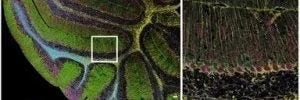
Research in Experimental Pathology at UVA involves researchers across the institution who study the molecular and cellular basis of human disease. This work is facilitated by close interactions with clinical colleagues across the Health System who provide perspectives on challenges in patient care.This rigorous training program takes advantage of a unique environment created by a faculty composed of basic scientists, research and diagnostic pathologists, and physician colleagues in other clinical specialties.
Traditional laboratory-based research is complemented by first hand exposure to clinical approaches used in the diagnosis and treatment of human disease. Coursework is designed to complement laboratory research and highlights the interface between basic science and the challenges faced in clinical medicine. In addition, opportunities exist to observe patient care directly through clinical rotations that allow students to experience the complete arc from diagnosis through therapeutic decisions to surgical, radiological or medical interventions.
The curriculum is enriched by a disease-focused participatory journal club and a seminar series that explores the molecular basis of human disease. Students have ongoing access to the expertise of their clinical colleagues as well as laboratory and tissue specimens to facilitate their research projects.
Faculty
Understanding the Molecular Basis of Macular Degeneration in Order to Hasten the Eradication of Blindness
Jayakrishna Ambati
Understanding the Molecular Basis of Macular Degeneration in Order to Hasten the Eradication of Blindness
Engineering cancer-killing T cells to overcome obstacles in solid tumors
Kristin Anderson
Engineering cancer-killing T cells to overcome obstacles in solid tumors
Innate immunity, Cell clearance, Inflammatory and autoimmune disease
Sanja Arandjelovic
Innate immunity, Cell clearance, Inflammatory and autoimmune disease
Cancer metastasis, chemotherapy resistance, genetic and epigenetic regulation
Todd Bauer
Cancer metastasis, chemotherapy resistance, genetic and epigenetic regulation
Pathogenic mechanisms in Alzheimer's Disease and other neurodegenerative disorders
George S. Bloom
Pathogenic mechanisms in Alzheimer's Disease and other neurodegenerative disorders
Pathways to enhance T cell function in tumors.
Timothy N. Bullock, PhD
Pathways to enhance T cell function in tumors.
Role of Arf family GTPases in vesicular transport and cytoskeleton assembly.<br> Cell Biology of bacterial pathogenesis. <br>The innate immune response to bacterial infection.
James E. Casanova
Role of Arf family GTPases in vesicular transport and cytoskeleton assembly.<br> Cell Biology of bacterial pathogenesis. <br>The innate immune response to bacterial infection.
Immuno-Oncology, T cell therapy, TCR Discovery, Next generation cell therapy
Danielle R. Cook
Immuno-Oncology, T cell therapy, TCR Discovery, Next generation cell therapy
Contribution of the Inflammatory Microenvironment to Tumor Initiation, Progression and Metastasis; Molecular Mechanisms of Cancer Chemoprevention
Janet V. Cross, PhD
Contribution of the Inflammatory Microenvironment to Tumor Initiation, Progression and Metastasis; Molecular Mechanisms of Cancer Chemoprevention
Immune mechanisms of pathogenic antibody production in allergy and autoimmunity
Loren D. Erickson
Immune mechanisms of pathogenic antibody production in allergy and autoimmunity
Cancer systems biology, Single-cell quantitative biology, Computational modeling
Mohammad Fallahi-Sichani
Cancer systems biology, Single-cell quantitative biology, Computational modeling
Clinical Chemistry and Toxicology. Medical Automation Research. Neurotransmitters, cell surface receptors and intracellular second messengers.
Robin A. Felder
Clinical Chemistry and Toxicology. Medical Automation Research. Neurotransmitters, cell surface receptors and intracellular second messengers.
Brain metabolism, cognitive decline, cholesterol and Alzheimer's disease
Heather Ferris
Brain metabolism, cognitive decline, cholesterol and Alzheimer's disease
Hematopathology and Understanding the Molecular Basis of Hematopoiesis and Leukemogenesis
Adam N. Goldfarb
Hematopathology and Understanding the Molecular Basis of Hematopoiesis and Leukemogenesis
Vascular wall remodeling, intimal hyperplasia, stenosis, aneurysm, retinal degeneration.
Lian-Wang Guo
Vascular wall remodeling, intimal hyperplasia, stenosis, aneurysm, retinal degeneration.
Seizures, neuronal excitability and plasticity
Jaideep Kapur
Seizures, neuronal excitability and plasticity
Gene regulation in cancer, RNA processing; Epigenetic modification; Stem cell and development
Hui Li
Gene regulation in cancer, RNA processing; Epigenetic modification; Stem cell and development
Developing novel neuroprotection strategies to preserve vision in glaucoma
Xiaorong Liu
Developing novel neuroprotection strategies to preserve vision in glaucoma
Wnt/PCP signaling in inner ear development Mouse models for human deafness Wnt/PCP signaling in neural tube closure
Xiaowei Lu
Wnt/PCP signaling in inner ear development Mouse models for human deafness Wnt/PCP signaling in neural tube closure
Behavioral Pharmacology, Sex Differences, Animal Models of Addiction
Wendy J. Lynch
Behavioral Pharmacology, Sex Differences, Animal Models of Addiction
Genetic variation, Complex diseases, Coronary artery disease, Genomics, Epigenomics, Regulatory mechanisms, Vascular biology, Pharmacology and Physiology
Clint L. Miller
Genetic variation, Complex diseases, Coronary artery disease, Genomics, Epigenomics, Regulatory mechanisms, Vascular biology, Pharmacology and Physiology
Cell signaling, stem cell biology, molecular and epigenetic mechanisms of blood and breast cancers
Golam Mohi
Cell signaling, stem cell biology, molecular and epigenetic mechanisms of blood and breast cancers
Regulation and function of tyrosine phosphorylation in complex networks
Kristen Naegle
Regulation and function of tyrosine phosphorylation in complex networks
Identification of Factors and Mechanisms that Regulate the Stability of Late Stage Atherosclerotic Lesions and the Probability of Thromboembolic Events Including a Heart Attack or Stroke
Gary K. Owens
Identification of Factors and Mechanisms that Regulate the Stability of Late Stage Atherosclerotic Lesions and the Probability of Thromboembolic Events Including a Heart Attack or Stroke
Systems biology, infectious disease, cancer, toxicology, metabolic engineering
Jason Papin
Systems biology, infectious disease, cancer, toxicology, metabolic engineering
Our research uses a systems bioengineering approach to investigate how aberrant signaling leads to distinct metabolic and epigenetic states, and to devise strategies for therapeutic reprogramming.
B. Bishal Paudel, PhD
Our research uses a systems bioengineering approach to investigate how aberrant signaling leads to distinct metabolic and epigenetic states, and to devise strategies for therapeutic reprogramming.
Bioanalytical tools for inflammatory disease
Rebecca Pompano
Bioanalytical tools for inflammatory disease
The Proctor Laboratory integrates systems biology with molecular, cellular, and systems neuroscience into a cutting-edge framework for investigation of multi-scale mechanisms of Alzheimer's disease risk, onset, and progression.
Elizabeth A. Proctor
The Proctor Laboratory integrates systems biology with molecular, cellular, and systems neuroscience into a cutting-edge framework for investigation of multi-scale mechanisms of Alzheimer's disease risk, onset, and progression.
Influence of commensal microbes on immune homeostasis, anti-tumor immunity, and metastasis
Melanie Rutkowski
Influence of commensal microbes on immune homeostasis, anti-tumor immunity, and metastasis
Regulatory T Cell biology in Inflammatory and Autoimmune Diseases.
Rahul Sharma
Regulatory T Cell biology in Inflammatory and Autoimmune Diseases.
Role of Glia in Neurological Illnesses and Cancer
Harald Sontheimer
Role of Glia in Neurological Illnesses and Cancer
Immune Responses in asthma, pulmonary fibrosis, and lung injury.
Anne I. Sperling
Immune Responses in asthma, pulmonary fibrosis, and lung injury.
Lung injury, repair, and fibrosis; B cell immunology
Jeffrey M Sturek
Lung injury, repair, and fibrosis; B cell immunology
Understanding Protein and RNA regulations of gene expression via chromatin structure in myeloid cell development and diseases
Bon Q Trinh
Understanding Protein and RNA regulations of gene expression via chromatin structure in myeloid cell development and diseases
Vascular Biology, Nanotechnology, Biomaterials, Drug Delivery
Nick Dimitrios Tsihlis
Vascular Biology, Nanotechnology, Biomaterials, Drug Delivery
Cancer biology and immunology, Immuno-oncology, Immunometabolism, Genetically-engineered mouse models
Qiwei Wang
Cancer biology and immunology, Immuno-oncology, Immunometabolism, Genetically-engineered mouse models
Unraveling the Role of Obesity, Diet, and Lifestyle Factors in Melanoma Progression and Treatment Efficacy
Russell Gardner Witt
Unraveling the Role of Obesity, Diet, and Lifestyle Factors in Melanoma Progression and Treatment Efficacy