Immunology
About
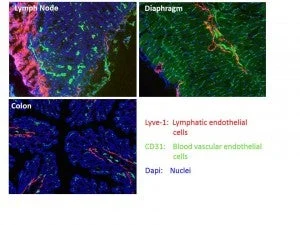
Research in Immunology at UVA includes research spanning basic development and regulation of the immune system to clinical trials. Areas of interest include molecular aspects of B and T lymphocyte development, innate immunity, regulation of immune response quality, lymphocyte trafficking, modulation of immunity to viruses and bacteria, tumor immunology and immunotherapy, allergic diseases, autoimmunity, neuroimmunology and immunological perturbations in cardiovascular disease.The Immunology Training Program consists of outstanding faculty, students and post-doctoral fellows performing cutting-edge research in a collaborative and collegial environment. We provide students with an interdisciplinary training experience that emphasizes the breadth of immunology as well as cell and molecular biology. The Training Program is funded in part by an NIH training grant in its 17th year, with 32 mentors providing cohesion and comprehensiveness.
The Program is integrated with and supported by the Department of Microbiology, Immunology, and Cancer Biology (MIC), the Carter Immunology Center, and the Center for Immunity, Inflammation, and Regenerative Medicine. It also provides access to many state-of the-art research support facilities.
The program provides a creative and vibrant training environment that prepares students for careers in immunology research and the delivery of new and innovative therapies to patients.
Faculty
Genetic approaches, cellular and molecular biology of intracellular pathogen infection
Herve Agaisse, PhD
Genetic approaches, cellular and molecular biology of intracellular pathogen infection
Understanding the Molecular Basis of Macular Degeneration in Order to Hasten the Eradication of Blindness
Jayakrishna Ambati
Understanding the Molecular Basis of Macular Degeneration in Order to Hasten the Eradication of Blindness
Engineering cancer-killing T cells to overcome obstacles in solid tumors
Kristin Anderson
Engineering cancer-killing T cells to overcome obstacles in solid tumors
Innate immunity, Cell clearance, Inflammatory and autoimmune disease
Sanja Arandjelovic
Innate immunity, Cell clearance, Inflammatory and autoimmune disease
Engineering programmable immunotherapies for solid tumors
Stefanie R. Bailey
Engineering programmable immunotherapies for solid tumors
Molecular mechanisms linking innate immune and insulin signaling to control cell growth and metabolism
Michelle Bland
Molecular mechanisms linking innate immune and insulin signaling to control cell growth and metabolism
Natural Killer Cells, Viral Immunity, Genetic basis of host resistance to viral infection, Tumor immunity, Immune cell regulation
Michael G. Brown
Natural Killer Cells, Viral Immunity, Genetic basis of host resistance to viral infection, Tumor immunity, Immune cell regulation
Pathways to enhance T cell function in tumors.
Timothy N. Bullock, PhD
Pathways to enhance T cell function in tumors.
Role of Arf family GTPases in vesicular transport and cytoskeleton assembly.<br> Cell Biology of bacterial pathogenesis. <br>The innate immune response to bacterial infection.
James E. Casanova
Role of Arf family GTPases in vesicular transport and cytoskeleton assembly.<br> Cell Biology of bacterial pathogenesis. <br>The innate immune response to bacterial infection.
Computational Biology; Machine Learning; Statistical Modeling; Single Cell Biology; Spatial Biology; Liquid Biopsy
Tinyi Chu, PhD
Computational Biology; Machine Learning; Statistical Modeling; Single Cell Biology; Spatial Biology; Liquid Biopsy
The maternal and infant microbiome in childhood growth and immunity
Carrie A. Cowardin
The maternal and infant microbiome in childhood growth and immunity
Cellular and molecular mechanisms of Neisserial pathogenesis
Alison K. Criss
Cellular and molecular mechanisms of Neisserial pathogenesis
Contribution of the Inflammatory Microenvironment to Tumor Initiation, Progression and Metastasis; Molecular Mechanisms of Cancer Chemoprevention
Janet V. Cross, PhD
Contribution of the Inflammatory Microenvironment to Tumor Initiation, Progression and Metastasis; Molecular Mechanisms of Cancer Chemoprevention
Ion channels and Ca2+-signaling in inflammation, immunity and tissue homeostasis
Bimal N. Desai
Ion channels and Ca2+-signaling in inflammation, immunity and tissue homeostasis
Systems Immunology, Cancer Systems Biology, , Neonatal and Maternal Immunology
Sepideh Dolatshahi
Systems Immunology, Cancer Systems Biology, , Neonatal and Maternal Immunology
Immune mechanisms of pathogenic antibody production in allergy and autoimmunity
Loren D. Erickson
Immune mechanisms of pathogenic antibody production in allergy and autoimmunity
Innate immunity, chronic disease, host-parasite interactions, Toxoplasma gondii, proteomics
Sarah E Ewald
Innate immunity, chronic disease, host-parasite interactions, Toxoplasma gondii, proteomics
Novel Therapies for Treating and Preventing Ischemic Heart Disease
Brent A. French
Novel Therapies for Treating and Preventing Ischemic Heart Disease
RNA-protein interactions in antiviral immunity and autoimmune diseases.
Mariano A. Garcia-Blanco
RNA-protein interactions in antiviral immunity and autoimmune diseases.
Exploring new therapeutics avenues to treat Multiple Sclerosis.
Alban Gaultier
Exploring new therapeutics avenues to treat Multiple Sclerosis.
Blinding disease age-related macular degeneration, utilizing the tools of immunology, molecular biology, and engineering.
Bradley Gelfand
Blinding disease age-related macular degeneration, utilizing the tools of immunology, molecular biology, and engineering.
Immune regulation for HCV infection and chronic liver inflammation
Young S. Hahn
Immune regulation for HCV infection and chronic liver inflammation
Post Transcriptional Gene Regulation and the Molecular Biology of Human Retroviruses
Marie-Louise Hammarskjold
Post Transcriptional Gene Regulation and the Molecular Biology of Human Retroviruses
Immune response to infectious disease in the CNS
Tajie H. Harris
Immune response to infectious disease in the CNS
Bacterial cell signaling, host-pathogen interactions, intestinal pathogens
Melissa M. Kendall
Bacterial cell signaling, host-pathogen interactions, intestinal pathogens
Role of lipid oxidation products in inflammation and vascular immunology in atherosclerosis and diabetes
Norbert Leitinger
Role of lipid oxidation products in inflammation and vascular immunology in atherosclerosis and diabetes
Understanding How Immunological Pathways Contribute to Neurodegenerative, Neurodevelopmental, Mental and Behavior Disorders
John R. Lukens
Understanding How Immunological Pathways Contribute to Neurodegenerative, Neurodevelopmental, Mental and Behavior Disorders
Immune System Regulation of Cardiometabolic Disease
Coleen A. McNamara
Immune System Regulation of Cardiometabolic Disease
Mitochondrial regulation of innate immune and antiviral signaling
Laura Elizabeth Newman
Mitochondrial regulation of innate immune and antiviral signaling
Bioanalytical tools for inflammatory disease
Rebecca Pompano
Bioanalytical tools for inflammatory disease
The Proctor Laboratory integrates systems biology with molecular, cellular, and systems neuroscience into a cutting-edge framework for investigation of multi-scale mechanisms of Alzheimer's disease risk, onset, and progression.
Elizabeth A. Proctor
The Proctor Laboratory integrates systems biology with molecular, cellular, and systems neuroscience into a cutting-edge framework for investigation of multi-scale mechanisms of Alzheimer's disease risk, onset, and progression.
Delineate the physiological importance and structure-function relationship of ER-associated degradation in humans.
Ling Qi
Delineate the physiological importance and structure-function relationship of ER-associated degradation in humans.
Human Immunodeficiency Virus Gene Expression; Human Endogenous Viruses; SARS-CoV-2 Protein Trafficking; Post-transcriptional Gene Regulation
David M. Rekosh
Human Immunodeficiency Virus Gene Expression; Human Endogenous Viruses; SARS-CoV-2 Protein Trafficking; Post-transcriptional Gene Regulation
Genetic basis of common human disease, including type 1 diabetes, diabetic complications, ischemic stroke, atherosclerosis
Stephen S. Rich
Genetic basis of common human disease, including type 1 diabetes, diabetic complications, ischemic stroke, atherosclerosis
Anti-tumor immunity in brain tumors, Cancer Neuroscience
James Ross
Anti-tumor immunity in brain tumors, Cancer Neuroscience

Influence of commensal microbes on immune homeostasis, anti-tumor immunity, and metastasis
Melanie Rutkowski
Influence of commensal microbes on immune homeostasis, anti-tumor immunity, and metastasis
Regulatory T Cell biology in Inflammatory and Autoimmune Diseases.
Rahul Sharma
Regulatory T Cell biology in Inflammatory and Autoimmune Diseases.
Gram-positive pathogenesis; type VII secretion; impact of secreted effectors on host-pathogen interactions and immune responses
Brady Spencer
Gram-positive pathogenesis; type VII secretion; impact of secreted effectors on host-pathogen interactions and immune responses
Immune Responses in asthma, pulmonary fibrosis, and lung injury.
Anne I. Sperling
Immune Responses in asthma, pulmonary fibrosis, and lung injury.
Lung injury, repair, and fibrosis; B cell immunology
Jeffrey M Sturek
Lung injury, repair, and fibrosis; B cell immunology
Viral immunology, Cancer immunology, Aging, Mucosal Immunology
Jie Sun
Viral immunology, Cancer immunology, Aging, Mucosal Immunology
Prokaryotic immune systems, bacteriophage virology, programmed cell death, pore-forming proteins, evolution of immunity, cGAS-STING, protein engineering
Uday Tak
Prokaryotic immune systems, bacteriophage virology, programmed cell death, pore-forming proteins, evolution of immunity, cGAS-STING, protein engineering
Iron metabolism and Immunometabolism in inflammation and autoimmune diseases
Kelsey Voss
Iron metabolism and Immunometabolism in inflammation and autoimmune diseases
The immune response to common cold and allergens in health and disease.
Judith A. Woodfolk
The immune response to common cold and allergens in health and disease.
Molecular Imaging; Cancer Immunology; Vaccines.
Jinghang Xie
Molecular Imaging; Cancer Immunology; Vaccines.
Bioinformatics methodology development; Epigenetics and chromatin biology; Transcriptional regulation; Cancer genomics and epigenomics; Statistical methods for biomedical data integration; Advanced machine learning; Theoretical and computational biophysics
Chongzhi Zang
Bioinformatics methodology development; Epigenetics and chromatin biology; Transcriptional regulation; Cancer genomics and epigenomics; Statistical methods for biomedical data integration; Advanced machine learning; Theoretical and computational biophysics
Unraveling the role of host microbe interactions in autoimmune diseases
Daniel Fernando Zegarra-Ruiz
Unraveling the role of host microbe interactions in autoimmune diseases
Pathogenesis of infectious diseases and the development of new therapies and vaccines for infectious diseases and cancers.
Steven L. Zeichner, MD, PhD
Pathogenesis of infectious diseases and the development of new therapies and vaccines for infectious diseases and cancers.