Experimental Pathology
About
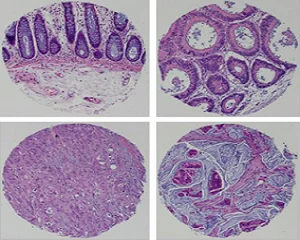
The Molecular and Cellular Basis of Disease (MCBD) graduate program confers the PhD in Experimental Pathology. The program is designed for students with a research interest in the mechanisms of human disease processes, with a particular emphasis on the skills necessary to perform translational research. In addition to basic laboratory skills, the program offers the opportunity for collaborative work with top-ranked and internationally recognized pathologists and other clinicians as part of PhD training. These experiences provide our trainees with an understanding of modern medical problems and a unique perspective on approaches to move research from bench to bedside. For more information, click here…
Program Faculty
Understanding the Molecular Basis of Macular Degeneration in Order to Hasten the Eradication of Blindness
Jayakrishna Ambati
Understanding the Molecular Basis of Macular Degeneration in Order to Hasten the Eradication of Blindness
Engineering cancer-killing T cells to overcome obstacles in solid tumors
Kristin Anderson
Engineering cancer-killing T cells to overcome obstacles in solid tumors
Innate immunity, Cell clearance, Inflammatory and autoimmune disease
Sanja Arandjelovic
Innate immunity, Cell clearance, Inflammatory and autoimmune disease
Cancer metastasis, chemotherapy resistance, genetic and epigenetic regulation
Todd Bauer
Cancer metastasis, chemotherapy resistance, genetic and epigenetic regulation
Pathogenic mechanisms in Alzheimer's Disease and other neurodegenerative disorders
George S. Bloom
Pathogenic mechanisms in Alzheimer's Disease and other neurodegenerative disorders
Natural Killer Cells, Viral Immunity, Genetic basis of host resistance to viral infection, Tumor immunity, Immune cell regulation
Michael G. Brown
Natural Killer Cells, Viral Immunity, Genetic basis of host resistance to viral infection, Tumor immunity, Immune cell regulation
Pathways to enhance T cell function in tumors.
Timothy N. Bullock, PhD
Pathways to enhance T cell function in tumors.
1. Molecular and cellular therapy for tissue injury and repair, mainly focusing on heart and lung injury and repair. 2. Cancer biology, mainly focusing on identifying the molecular target that can inhibit the tumorigenesis during aging.
Chuanxi Cai, PhD
1. Molecular and cellular therapy for tissue injury and repair, mainly focusing on heart and lung injury and repair. 2. Cancer biology, mainly focusing on identifying the molecular target that can inhibit the tumorigenesis during aging.
Engineering biomaterials as cellular microenvironments
Steven Caliari
Engineering biomaterials as cellular microenvironments
Contribution of the Inflammatory Microenvironment to Tumor Initiation, Progression and Metastasis; Molecular Mechanisms of Cancer Chemoprevention
Janet V. Cross, PhD
Contribution of the Inflammatory Microenvironment to Tumor Initiation, Progression and Metastasis; Molecular Mechanisms of Cancer Chemoprevention
Systems Genetics of Skeletal Development and Maintenance
Charles R. Farber
Systems Genetics of Skeletal Development and Maintenance
Clinical Chemistry and Toxicology. Medical Automation Research. Neurotransmitters, cell surface receptors and intracellular second messengers.
Robin A. Felder
Clinical Chemistry and Toxicology. Medical Automation Research. Neurotransmitters, cell surface receptors and intracellular second messengers.
Brain metabolism, cognitive decline, cholesterol and Alzheimer's disease
Heather Ferris
Brain metabolism, cognitive decline, cholesterol and Alzheimer's disease
Impact of APOE and lipid metabolism on cell function in Alzheimer's disease.
Sarah Flowers
Impact of APOE and lipid metabolism on cell function in Alzheimer's disease.
Exploring new therapeutics avenues to treat Multiple Sclerosis.
Alban Gaultier
Exploring new therapeutics avenues to treat Multiple Sclerosis.
Blinding disease age-related macular degeneration, utilizing the tools of immunology, molecular biology, and engineering.
Bradley Gelfand
Blinding disease age-related macular degeneration, utilizing the tools of immunology, molecular biology, and engineering.
Hematopathology and Understanding the Molecular Basis of Hematopoiesis and Leukemogenesis
Adam N. Goldfarb
Hematopathology and Understanding the Molecular Basis of Hematopoiesis and Leukemogenesis
Systems-biology approaches to cancer biology and virology.
Kevin A. Janes
Systems-biology approaches to cancer biology and virology.
Cancer Biology, Tumor Cell of Origin and Tumor Microenvironment, Neurofibromatosis and Schwann Cell Biology, Skin and Hair Stem Cell Biology & Regeneration
Lu Q Le
Cancer Biology, Tumor Cell of Origin and Tumor Microenvironment, Neurofibromatosis and Schwann Cell Biology, Skin and Hair Stem Cell Biology & Regeneration
Gene regulation in cancer, RNA processing; Epigenetic modification; Stem cell and development
Hui Li
Gene regulation in cancer, RNA processing; Epigenetic modification; Stem cell and development
Hematologic malignancies; bone marrow disorders; leukemia; large granular lymphocyte (LGL)
Thomas P Loughran, Jr.
Hematologic malignancies; bone marrow disorders; leukemia; large granular lymphocyte (LGL)
Behavioral Pharmacology, Sex Differences, Animal Models of Addiction
Wendy J. Lynch
Behavioral Pharmacology, Sex Differences, Animal Models of Addiction
Immune System Regulation of Cardiometabolic Disease
Coleen A. McNamara
Immune System Regulation of Cardiometabolic Disease
Genetic variation, Complex diseases, Coronary artery disease, Genomics, Epigenomics, Regulatory mechanisms, Vascular biology, Pharmacology and Physiology
Clint L. Miller
Genetic variation, Complex diseases, Coronary artery disease, Genomics, Epigenomics, Regulatory mechanisms, Vascular biology, Pharmacology and Physiology
Cell signaling, stem cell biology, molecular and epigenetic mechanisms of blood and breast cancers
Golam Mohi
Cell signaling, stem cell biology, molecular and epigenetic mechanisms of blood and breast cancers
Molecular pathogenesis and genomic analysis of human cancers
Christopher A. Moskaluk
Molecular pathogenesis and genomic analysis of human cancers
Regulation and function of tyrosine phosphorylation in complex networks
Kristen Naegle
Regulation and function of tyrosine phosphorylation in complex networks
Identification of Factors and Mechanisms that Regulate the Stability of Late Stage Atherosclerotic Lesions and the Probability of Thromboembolic Events Including a Heart Attack or Stroke
Gary K. Owens
Identification of Factors and Mechanisms that Regulate the Stability of Late Stage Atherosclerotic Lesions and the Probability of Thromboembolic Events Including a Heart Attack or Stroke
Systems biology, infectious disease, cancer, toxicology, metabolic engineering
Jason Papin
Systems biology, infectious disease, cancer, toxicology, metabolic engineering
Cell and molecular physiology, regenerative medicine, cancer biology, muscle and cardiovascular diseases, diabetes, geriatric medicine and Alzheimer’s disease, and therapeutic development.
Ki Ho Park
Cell and molecular physiology, regenerative medicine, cancer biology, muscle and cardiovascular diseases, diabetes, geriatric medicine and Alzheimer’s disease, and therapeutic development.

Nuclear Transport, Signaling, and Cancer
Bryce M. Paschal
Nuclear Transport, Signaling, and Cancer
Tissue Engineering and Regeneration, Computational Systems Biology, Vascular Growth and Remodeling, Stem Cell Therapies
Shayn M. Peirce-Cottler
Tissue Engineering and Regeneration, Computational Systems Biology, Vascular Growth and Remodeling, Stem Cell Therapies
Novel therapeutic approaches to brain cancers and to other neurologic diseases
Benjamin W. Purow
Novel therapeutic approaches to brain cancers and to other neurologic diseases
Influence of commensal microbes on immune homeostasis, anti-tumor immunity, and metastasis
Melanie Rutkowski
Influence of commensal microbes on immune homeostasis, anti-tumor immunity, and metastasis
Advanced Immunotherapies, Nanotechnology, Biomaterials Science, Tissue Engineering
Evan Alexander Scott
Advanced Immunotherapies, Nanotechnology, Biomaterials Science, Tissue Engineering
Regulatory T Cell biology in Inflammatory and Autoimmune Diseases.
Rahul Sharma
Regulatory T Cell biology in Inflammatory and Autoimmune Diseases.
Role of Glia in Neurological Illnesses and Cancer
Harald Sontheimer
Role of Glia in Neurological Illnesses and Cancer
Lung injury, repair, and fibrosis; B cell immunology
Jeffrey M Sturek
Lung injury, repair, and fibrosis; B cell immunology
Understanding Protein and RNA regulations of gene expression via chromatin structure in myeloid cell development and diseases
Bon Q Trinh
Understanding Protein and RNA regulations of gene expression via chromatin structure in myeloid cell development and diseases
Analytical Neurochemistry; Dopamine and Serotonin Neurotransmission in Drosophila; Mechanisms of rapid adenosine signaling in rodents
B. Jill Venton
Analytical Neurochemistry; Dopamine and Serotonin Neurotransmission in Drosophila; Mechanisms of rapid adenosine signaling in rodents
Cancer biology and immunology, Immuno-oncology, Immunometabolism, Genetically-engineered mouse models
Qiwei Wang
Cancer biology and immunology, Immuno-oncology, Immunometabolism, Genetically-engineered mouse models
Unraveling the Role of Obesity, Diet, and Lifestyle Factors in Melanoma Progression and Treatment Efficacy
Russell Gardner Witt
Unraveling the Role of Obesity, Diet, and Lifestyle Factors in Melanoma Progression and Treatment Efficacy
Development and regulation of retinal ganglion cells (RGCs) and blood vessels as they relate to retinal diseases.
Paul A. Yates
Development and regulation of retinal ganglion cells (RGCs) and blood vessels as they relate to retinal diseases.