Search

Harris Lab

As part of the Department of Pharmacology, the Harris Lab uses animal models to study how obesity promotes insulin resistance. At a basic level, we are interested in how adipose tissue responds to anabolic (insulin) and catabolic (catecholamines) hormones to regulate adiposity and whole body metabolic homeostasis. We use genetic models and pharmacological tools to evaluate adipose function in mice.

We are also interested in the molecular mechanisms regulating insulin and counterregulatory hormone signaling in adipocytes, with special interest in the mammalian Target of Rapamycin (mTOR) and its downstream effectors, the Mast kinase family. This work also includes biochemical studies on enzymes that regulate lipid synthesis and breakdown, with a particular interest in the lipin family (phosphatidic acid phosphatases), and the diacylglycerol kinase family of enzymes.

We frequently have research opportunities in biochemistry and physiology for UVA undergraduates.


M.I.G.s Metabolic Interest Group

Metabolic Interest Group

The Metabolic Interest Group is a collection of labs at UVA that meet monthly to discuss research in progress pertaining to the broad area of metabolism.

Learn More

Pharmacology Data Chart

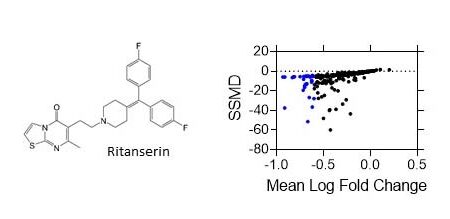
Identification of ritanserin analogs that display DGK isoform specificity

Granade et al., Biochem Pharmacol. 2022 Mar;197:114908 The diacylglycerol kinase (DGK) family of lipid enzymes catalyzes the conversion of diacylglycerol (DAG) to phosphatidic acid (PA). There are few small molecule DGKα inhibitors currently available, and the application of existing compounds to clinical settings is hindered by species-dependent variability in potency. In order to resolve these issues, we have screened a library of compounds structurally analogous to the DGKα inhibitor, ritanserin, in an effort to identify more potent and specific alternatives.

Read More

Pharmacology Data Graphic

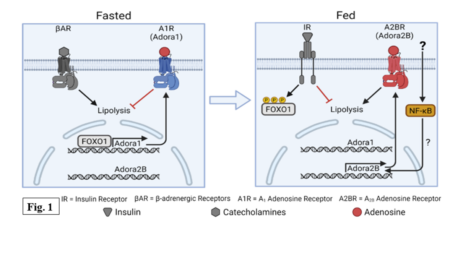
Feeding desensitizes A1 adenosine receptors in adipose through FOXO1-mediated transcriptional regulation

Granade et al., Mol Metab. 2022 Jul 7;101543. Objective: Adipose tissue is a critical regulator of energy balance that must rapidly shift its metabolism between fasting and feeding to maintain homeostasis. Adenosine has been characterized as an important regulator of adipocyte metabolism primarily through its actions on A1 adenosine receptors (A1R). We sought to understand the role A1R plays specifically in adipocytes during fasting and feeding to regulate glucose and lipid metabolism.

Read More