
About the Dean
Colin P. Derdeyn, MD
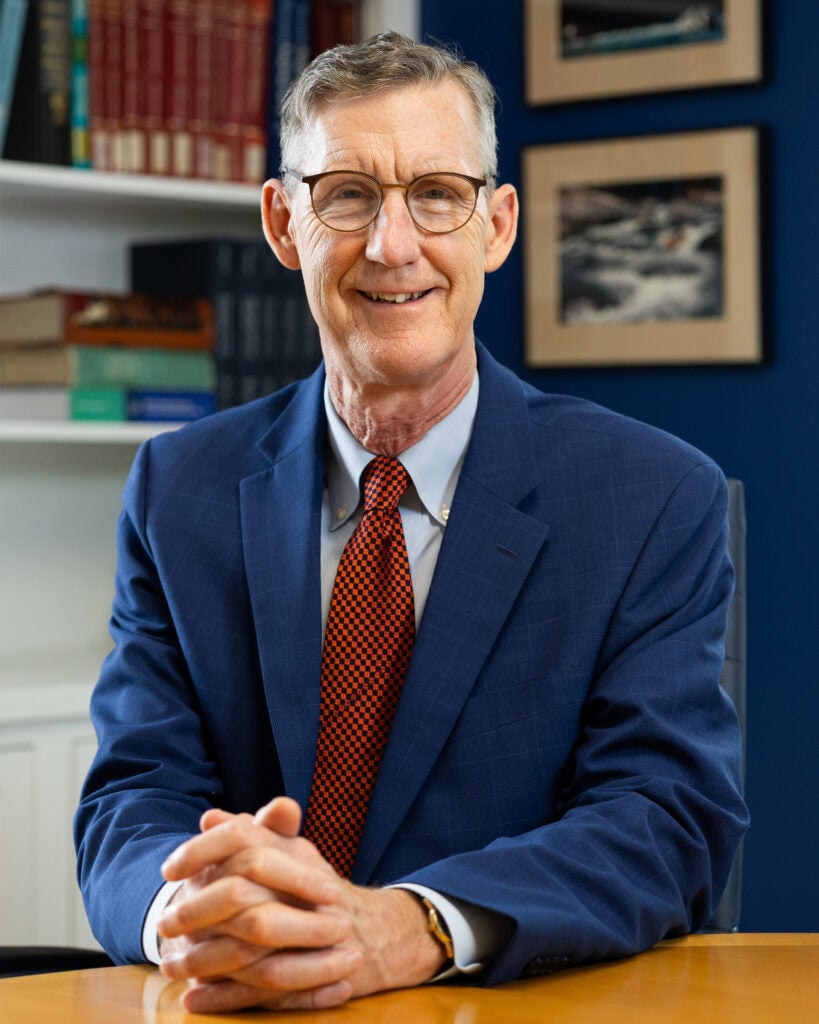 Colin P. Derdeyn, MD, a nationally recognized leader in neurointerventional radiology and stroke research, serves as Interim Dean of the UVA School of Medicine. He joined the University of Virginia in 2024 as the Keats Professor and Chair of the Department of Radiology and is also a professor of radiology, neurology, and neurological surgery.
With more than three decades of clinical innovation, research leadership, and national service, Dr. Derdeyn has advanced the field of stroke care through both practice and research. He has led pivotal NIH-sponsored clinical trials in acute stroke intervention, cerebral hemodynamics, and intracranial atherosclerotic disease, and is currently a multiple principal investigator for the NIH-funded StrokeNet Endovascular Thrombectomy Platform trial.
Dr. Derdeyn holds more than 20 patents for medical devices. His translational research on cerebral blood flow, oxygen extraction, and hemodynamic impairment has reshaped stroke risk stratification and improved patient selection for cerebral revascularization. His work has been continuously supported by the NIH since 1998.
Board certified in both Diagnostic Neuroradiology and Endovascular Neurosurgery, Dr. Derdeyn maintains an active clinical practice in both specialties. He has also served as President of the Society of NeuroInterventional Surgery and as Chair of the American Heart Association Stroke Council.
An Echols Scholar and graduate of the University of Virginia School of Medicine, Dr. Derdeyn completed his radiology and neurointerventional training at Washington University and the University of Wisconsin. Before returning to UVA, he founded and led the Center for Stroke and Cerebrovascular Disease at Washington University and later spent nine years at the University of Iowa as the Krabbenhoft Professor and Chair of Radiology and Director of the Iowa Institute of Biomedical Imaging.
Deans of the School of Medicine
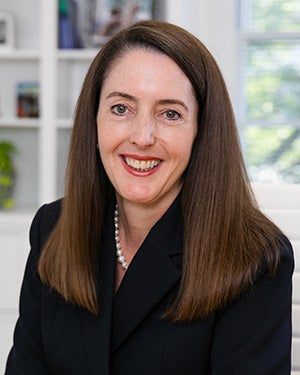 A nationally known researcher in the field of vascular surgery and the former Chair of the Department of Surgery at the University of North Carolina (UNC), Melina R. Kibbe, MD, served as dean of the University School of Medicine (SOM) and Chief Health Affairs Officer from 2021 to 2025. She was the James Carroll Flippin Professor of Medical Science, Professor of Surgery and Professor of Biomedical Engineering.
Prior to UNC, Dr. Kibbe was Vice Chair of Research in the Department of Surgery and Deputy Director of the Simpson Querrey Institute for BioNanotechnology at Northwestern University. Clinically, she has significant experience with both open and endovascular surgery, including the treatment of carotid stenosis, peripheral vascular disease, abdominal aortic aneurysms and vascular access. She is board certified in general and vascular surgery and is a Registered Vascular Technologist and a Registered Physician in Vascular Interpretation.
Dr. Kibbe’s research interests focus on developing novel therapies for patients with vascular disease while simultaneously studying the mechanism of how these therapies impact the vascular wall. She has been funded as a principal investigator by the National Institutes of Health (NIH), Department of Defense and Department of Veterans Affairs, in addition to serving as co-investigator and/or consultant on several other NIH and Patient-Centered Outcomes Research Institute awards. She is a strong advocate for sex inclusion in biomedical research. She holds more than 10 patents or provisional patents. Her research was recognized by President Obama with the Presidential Early Career Award for Scientists and Engineers in 2009.
A member of the National Academy of Medicine and the American Society for Clinical Investigation, Dr. Kibbe is the Editor-in-Chief for JAMA Surgery and has served as president for the Association for Academic Surgery, the Midwestern Vascular Surgical Society, and the Association of Veterans Affairs Surgeons. She is co-founder and Chief Medical Officer of VesselTek BioMedical, LLC, which specializes in the development of medical devices to treat vascular disease.
Dr. Kibbe graduated from the University of Chicago Pritzker School of Medicine; completed her internship, residency, and research fellowship at the University of Pittsburgh Medical Center; and completed her vascular surgery fellowship at Northwestern University Feinberg School of Medicine.
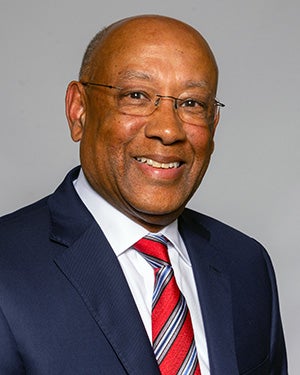 David S. Wilkes, MD, served as dean of the University of Virginia School of Medicine (SOM) from 2015 to 2021. He earned his medical degree from Temple University in 1982 and remained there to complete his residency in 1985. Dr. Wilkes later undertook a fellowship in pulmonary and critical care at the University of Texas Southwestern Medical Center, finishing in 1992. He is a veteran, having served in the U.S. Air Force Medical Corps from 1985 to 1988 and earning a commendation medal for his service.
Dr. Wilkes devoted more than two decades of his career to the Indiana University School of Medicine. He became assistant professor in the department of medicine, pulmonary/critical care division in 1992 and was promoted to associate professor in 1997. In 2004, he was named the Calvin H. English Professor of Medicine in the division of pulmonary and critical care medicine as well as director for the Center for Immunobiology. In 2009, Dr. Wilkes was appointed the August M. Watanabe Professor of Medical Research, a position he held until 2015. From 2009 to 2015, he served as executive associate dean for research affairs, and from 2010 to 2015 he was assistant vice president for research.
In 2015, Dr. Wilkes was appointed dean of the SOM and James Carroll Flippin Professor of Medical Science, becoming the first African American appointed to the deanship. During his tenure, Dr. Wilkes focused on achieving excellence in the SOM’s missions of research, education, and patient care. Under his guidance, UVA Hospital earned the rank of #1 hospital in Virginia by U.S. News & World Report. In addition, the SOM set an institutional record for funding, earning $146.3 million from the National Institutes of Health in fiscal year 2019. Dr. Wilkes is dean emeritus of the SOM, professor of medicine emeritus at Indiana University, national director of the Harold Amos Medical Faculty Development Program for the Robert Wood Johnson Foundation, and president/CEO and founder of the Amos Institute for Medical Faculty Development.
Dr. Wilkes’ areas of specialty are pulmonary disease and critical care medicine, specifically lung immunology and lung transplantation rejection. He is a leader in academic medicine, co-authoring more than 140 research papers and holding 6 U.S. patents. Dr. Wilkes is the co-founder and chief scientific officer for ImmuneWorks Inc., which researches and develops treatments for immune-mediated lung diseases. He is the recipient of the Alvin S. Bynum Mentoring Award from Indiana University Indianapolis at Indianapolis. In 2020, he was elected to the prestigious National Academy of Medicine, and in 2024 he won the Edward Livingston Trudeau Medal, the highest honor bestowed by the American Thoracic Society. He serves on several boards including the board of directors for Syneos Health, the board of visitors for the Temple University Lewis Katz School of Medicine, the board of trustees for Villanova University, and the board of directors for Baxter International, Inc.
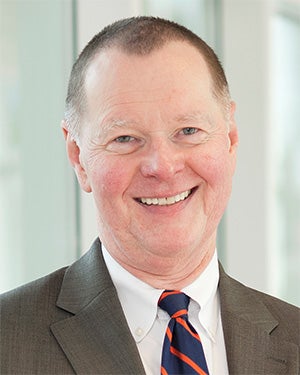 Randolph J. Canterbury, MD, served as the interim dean of the University of Virginia School of Medicine (SOM) from 2014 to 2015. He earned his medical degree from the West Virginia University School of Medicine in 1979. Dr. Canterbury subsequently completed an internship in diversified medicine at UVA in 1980, and in 1984 he finished residencies in internal medicine and psychiatry, also at UVA.
Prior to his deanship, Dr. Canterbury was the Wilford W. Spradlin Professor of Psychiatric Medicine and of Internal Medicine at UVA. He served as chair of the department of psychiatric medicine from 1992 to 2004. That year, he was appointed associate dean for admissions for the SOM, a position he held until 2010. From 2008 to 2021, Dr. Canterbury was the SOM senior associate dean for education. During his brief time as dean, Dr. Canterbury oversaw the implementation of the SOM’s academic strategic plan to further develop programs in research and education. Dr. Canterbury held other positions concurrent with his teaching and leadership roles such as director of the Eating Disorders Program (1984-1986), medical director of the Addiction Sciences Center (1986-1995), director of the Institute for Substance Abuse Studies (1987-1988), and medical director of the Psychiatry Service Center (1997-2004), among others. He received UVA’s John T. Casteen, III Diversity-Equity-Inclusion Leadership Award in 2017 and the Dr. Martin Luther King Jr. Diversity-Equity-Inclusion Leadership Award in 2020. Dr. Canterbury is professor emeritus of psychiatry at UVA.
Dr. Canterbury’s research focuses on psychiatry and neurobehavioral sciences, particularly substance abuse and epidemiology, as well as health services. He has received many awards and honors throughout his career. In 2024, he was the recipient of the Distinguished Service Award from the National Board of Medical Examiners for his more than 25 years of work with the US Medical Licensing Examination program.
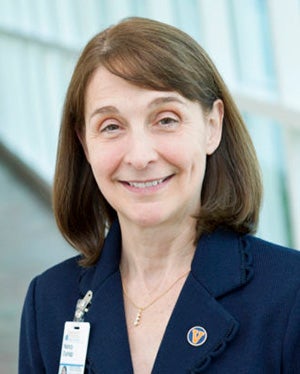 Nancy E. Dunlap, MD, PhD, served as the interim dean of University of Virginia School of Medicine (SOM) from 2013 to 2014, becoming the first woman to hold the deanship. Dr. Dunlap earned her medical degree from Duke University in 1981 and completed her residency in internal medicine and fellowship in pulmonary and critical care medicine at the University of Alabama at Birmingham (UAB) in 1984 and 1989, respectively. She went on to earn a PhD in microbiology from UAB in 1992. In 2008, she graduated with her MBA from the University of Michigan at Ann Arbor. Dr. Dunlap held several appointments at UAB including medical director of the office of clinical research, vice president of ambulatory services, vice chairman for clinical affairs for the department of medicine, and professor of medicine and business.
In 2013, Dr. Dunlap was appointed interim dean of the SOM while the school searched for a new executive vice president for health affairs as well as a new permanent dean. She simultaneously served as chief clinical officer for the SOM and as professor in the division of pulmonary medicine. During her tenure, Dr. Dunlap led the SOM’s academic strategic planning process and focused on the improvement of quality measures in safety and patient care.
Dr. Dunlap studies pulmonary critical care, mycobacterial diseases, and economic impact in healthcare delivery. She was awarded the Robert Wood Johnson Health Policy Fellowship and held two separate tenures as physician-in-residence for the Center for Best Practices (health division) with the National Governors Association between 2013 and 2016. She also served as the medical director of primary care for the Alabama Department of Public Health from 2001 to 2009 and as acting chief medical information officer for the UAB Health System from 2005 to 2009. Dr. Dunlap is currently professor emerita at UAB in the division of pulmonary, allergy and critical care medicine and a scholar in the Lister Hill Center for Health Policy.
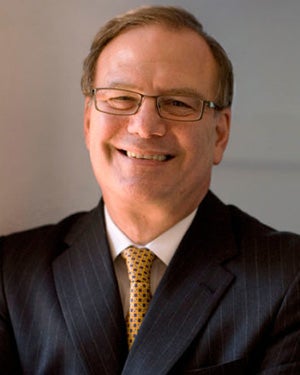 Steven T. DeKosky, MD, served as vice president and dean of the University of Virginia School of Medicine (SOM) from 2008 to 2013. Dr. DeKosky earned his medical degree from the University of Florida College of Medicine in 1974. He completed an internship in internal medicine at The Johns Hopkins Hospital in1975, a residency in neurology at the University of Florida College of Medicine in 1978, and a fellowship in neurochemistry at the Clinical Neuroscience Research Center in UVA’s department of neurology in 1979.
Dr. DeKosky was assistant, and then associate, professor of neurology at the University of Kentucky College of Medicine from 1979 to 1990. During that time, he also served as interim chairman of the department of neurology from 1985 to 1987 and co-director of the Alzheimer’s Disease Research Center from 1985 to 1990. He subsequently held several appointments at the University of Pittsburgh School of Medicine including chief of the division of geriatrics and neuropsychiatry in the department of psychiatry from 1992 to 2000; professor of psychiatry, neurology, and neurobiology from 1990 to 2000; director of the Alzheimer’s Disease Research Center from 1994 to 2008; and chair of the department of neurology from 2000 to 2008.
Beginning in 2008, during his tenure as vice president and dean of the SOM, Dr. DeKosky oversaw changes in the medical curriculum and increased clinical capacity and access. Under his leadership, the SOM moved to a new medical education building and the Employee Connection was established. Dr. DeKosky was appointed emeritus professor of neurology in 2014. Since 2015, Dr. DeKosky has served as professor of neurology and deputy director of the McKnight Brain Institute at the University of Florida College of Medicine.
Dr. DeKosky is recognized internationally for his contributions to the field of Alzheimer’s disease research, particularly his study of pathological and chemical alterations in the brain in the early stages of the disease. He co-authored the first study on dementia in football players within the National Football League (2005). Dr. DeKosky has served on the board of directors for the Alzheimer’s Association USA and Alzheimer’s Disease International. He was also a member of the American Board of Psychiatry and Neurology and chaired their strategic planning committee. Dr. DeKosky has had continual funding from the National Institutes of Health for more than three decades.
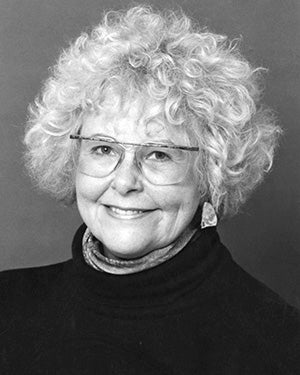 Sharon L. Hostler, MD, served as interim vice president and dean of the University of Virginia School of Medicine (SOM) from 2007 to 2008. Dr. Hostler earned her medical degree at the University of Vermont College of Medicine in 1965, where she was the only woman in her graduating class. She completed her residency in pediatrics and a fellowship in pediatric hematology in 1967 at UVA.
In 1969, Dr. Hostler joined the faculty at the SOM as an instructor in the department of pediatrics where she spent upwards of 40 years. Dr. Hostler earned tenure in 1976 and, after being named the McLemore Birdsong Professor of Pediatrics in 1998, she became the first woman to hold an endowed chair at the SOM. In 1978, she was appointed chief of the division of developmental pediatrics and from 2003 to 2007 she served as the senior associate dean for faculty development. From 1974 to 1988, she was the co-medical director of the Kluge Children’s Rehabilitation Center, and she assumed the role of director from 1988 to 2003. Dr. Hostler chaired the 1989 UVA Committee on Women, charged with studying the environment for women in the SOM—an early effort at UVA to improve the position of women in medicine. In 2008, Dr. Hostler received the Thomas Jefferson Award, UVA’s highest honor, for her efforts to increase the ranks of women faculty in the SOM and throughout the University. Hostler retired in 2016 as professor emeritus of pediatrics.
Dr. Hostler’s research and professional interests include developmental pediatrics, family centered healthcare delivery, and women in academic medicine. One of her most notable publications is Family-Centered Care: An Approach to Implementation (1994). Dr. Hostler has received various awards and honors, including the Elizabeth Zintl Award. In addition, she was a member of the American Public Health Association, the Association of American Medical Colleges (AAMC), and the American Medical Women’s Association, among others, and served on the AAMC’s task force on women in academic medicine leadership positions for more than 10 years.
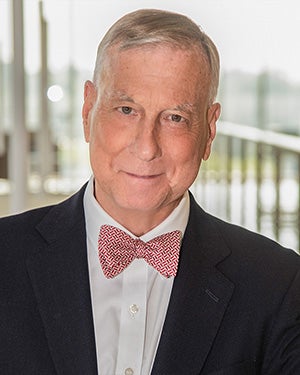 Arthur Garson Jr., MD, MPH, served as dean of the University of Virginia School of Medicine (SOM) from 2002 to 2007. Dr. Garson earned his medical degree from Duke University in 1974 and completed his residency there two years later. In 1976, he accepted a three-year fellowship in pediatric cardiology at the Baylor College of Medicine and became a professor of pediatrics at Baylor in 1985. He served as chief of pediatric cardiology from 1988 to 1992. That year, Dr. Garson earned his MPH from the University of Texas and returned to Duke to be professor of public policy, associate vice chancellor for health affairs, and senior fellow at the Center for Health Policy, Research and Education. In 1995, Dr. Garson was called back to Texas to serve as senior vice president and dean for academic operations at Baylor and vice president of Texas Children’s Hospital.
In 2002, Dr. Garson was appointed vice president and dean of the SOM. During his deanship, he oversaw the creation of a new Master of Public Health program as well as the establishment of the Center on Health Care Disparities and the Patient Education Institute, among other initiatives. In 2007, he became UVA’s executive vice president and provost and was simultaneously elected to the prestigious Institute of Medicine of the National Academies. While at UVA, Dr. Garson developed collaborative and creative business models between the SOM and the medical center, with a particular focus on patient care and service, translational research, and policy. Additionally, he highlighted the need for healthcare reform and advocacy at the university and within the medical profession broadly. In 2011, Dr. Garson departed UVA to become the senior vice president for health policy and health systems at the University of Texas Health Science Center at Houston. He currently serves as clinical professor in the department of health systems and population health sciences at the Tilman J. Fertitta Family College of Medicine at the University of Houston.
Dr. Garson is internationally recognized for his contributions to pediatric cardiology. His areas of specialty include arrhythmias, electrophysiology, and congenital heart disease in children and young adults. Dr. Garson has also shaped healthcare policy, especially in evaluating the costs and structural systems of American healthcare. In 2001, he was appointed to the White House Advisory Panel on Health System Improvement and served as chair of the National Advisory Council of the Agency for Healthcare Research and Quality in 2003. Dr. Garson has authored or co-authored eight books. He has also been a member of numerous professional societies and organizations, including the American Pediatric Society, the North American Society for Pacing and Electrophysiology, and the American College of Cardiology, of which he was president from 1999 to 2000. He has received many honors and research fellowships, including the Established Investigator Award from the American Heart Association, a designation of “Master” from the American College of Cardiology, and the Mannheimer Award for Lifetime Achievement from the European Society of Cardiology and the Association of European Pediatric Cardiology. In addition, he was a fellow with the American Academy of Pediatrics and the American College of Cardiology.
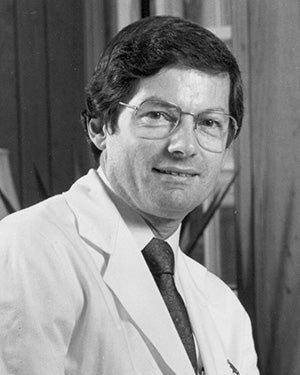 Robert M. Carey, MD, served as the dean of the University of Virginia School of Medicine (SOM) from 1986 to 2002. Dr. Carey earned his medical degree from the Vanderbilt School of Medicine in 1965 and completed his residency at the New York Hospital-Cornell Medical Center. He also received a fellowship in endocrinology at Vanderbilt and a fellowship in hypertension at St. Mary’s Hospital and Medical School (now Imperial College in London).
Dr. Carey joined the faculty of the SOM in 1973 as an assistant professor of medicine and was promoted to associate professor in 1976 and full professor in 1980. Prior to serving as dean, he was also the president of clinical staff from 1977 to 1979 and the director of the division of endocrinology and metabolism from 1978 to 1986. During his deanship, Dr. Carey established several new departments, including public health sciences, emergency medicine, radiation oncology, and physical medicine and rehabilitation. He was also instrumental in creating the Clinical Trials Center, the Global Health Program, the Biomedical Ethics Center, and the Humanities in Medicine Program. Dr. Carey oversaw the construction of new research buildings and a conference center and was a part of increased private fundraising efforts and the establishment of 60 endowed professorships. Dr. Carey has received numerous awards and recognitions, including the University of Virginia’s highest honor, the Thomas Jefferson Award, in 2003. Dr. Carey retired from UVA in 2023 as the David A. Harrison III Distinguished Professor of Medicine. He remains the longest-serving dean in the SOM’s history, with a tenure lasting 16 years.
Dr. Carey is a highly respected expert in the fields of endocrinology and hypertension and has authored more than 400 publications. His clinical interests include cardiovascular endocrinology, adrenal disorders, and hormonal control of blood pressure. Dr. Carey was a member of the National Research Resources Advisory Council, the Association of American Medical Colleges, and the Endocrine Society, among others. In addition, he was president of the Endocrine Society.
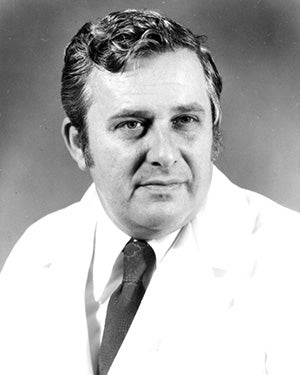 Norman J. Knorr, MD, served as dean of the University of Virginia School of Medicine (SOM) from 1977 to 1986. Dr. Knorr earned his medical degree from George Washington University School of Medicine in 1961. He completed residencies in psychiatry at Johns Hopkins Hospital as well as at the University of Maryland Hospital. In 1966, Dr. Drucker joined the faculty at Johns Hopkins University where he held professorships in psychology and plastic surgery until 1970. During this time, Dr. Knorr was also a psychiatry consultant for the Baltimore City Hospitals.
In 1970, Dr. Knorr began his tenure at the SOM as professor of both psychology and plastic surgery and as director of psychiatric liaison-consulting services. Dr. Knorr was appointed associate dean for student affairs in 1973 and, that same year, was announced associate dean of the SOM, a role he held until he accepted the deanship in 1977. While serving as dean, Dr. Knorr oversaw and directed several major projects, including funding and plans for the UVA Health Primary Care Center and the eventual construction of the new hospital, which was completed under his successor Robert M. Carey, MD. In 1981, Dr. Knorr was elected the first James Carroll Flippin Professor of Medical Science, named for the third dean of the SOM. Dr. Knorr stepped down from the deanship in 1986 but remained a member of the medical faculty.
Dr. Knorr’s research interests focused on emotional reactions to injury and deformities, as well as body image disorders and psychological factors related to plastic and general surgery. He was a fellow of the American Psychiatric Association and a member of the American Psychosomatic Society, the American Medical Society, and the Virginia Neuropsychiatric Society, among others. Additionally, Dr. Knorr was a Diplomat of the National Board of Medical Examiners and an honorary member of Phi Eta Sigma and the Kane King Dodek Honor Society.
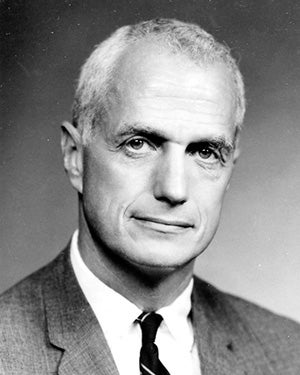 William R. Drucker, MD, served as dean of the University of Virginia School of Medicine (SOM) from 1972 to 1977. Dr. Drucker earned his medical degree from Johns Hopkins University School of Medicine in 1946 and then completed a year-long internship with the Osler Medical Clinic. After two years of serving in the Navy, followed by stints as an assistant resident at the Yale New Haven Hospital and as a research fellow at Case Western Reserve University, Dr. Drucker completed his surgical residency at the University Hospitals of Cleveland in 1954. That year, he accepted an instructor position at Case Western and was named a professor of surgery in 1966. Dr. Drucker left Cleveland in 1966 to work at the University of Toronto as professor and chair of the department of surgery while also fulfilling the role of surgeon-in-chief at the Toronto General Hospital.
In 1972, Dr. Drucker accepted the deanship at the SOM. While at UVA, Dr. Drucker oversaw the completion of Jordan Hall (now Pinn Hall) in 1972 and the Claude Moore Health Sciences Library in 1975. During his tenure, Dr. Drucker expanded the departments of pediatrics, medicine, and surgery. In 1977, he relocated to Rochester, New York, to serve as a professor and chair of the department of surgery at the University of Rochester. He was later named distinguished professor of surgery at the Uniformed Services University of the Health Sciences in Bethesda, Maryland. Dr. Drucker concluded his career at the University of Vermont where he was an adjunct professor of surgery during his retirement.
Over his career, Dr. Drucker published more than 100 scientific papers and chapters. In addition, Dr. Drucker was a member of several professional organizations and associations, including the American College of Surgeons, the American Association for the Surgery of Trauma, and the National Institutes of Health. His professional interests included shock and trauma as well as the metabolic and nutritional effects of surgery. Dr. Drucker also served on the editorial boards of the American Journal of Surgery and the Canadian Journal of Surgery in addition to being named a Markle Scholar in the Medical Sciences in 1958 and a Finley Scholar by the American College of Surgeons.
James T. Hamlin, III, MD, served as acting dean of the University of Virginia School of Medicine (SOM) from 1971 to 1972. Dr. Hamlin earned his medical degree from the SOM in 1955 and completed an internship at the Peter Bent Brigham Hospital in Boston, where he was an assistant professor of medicine from 1955 to 1959. From 1956 to 1959, he was a research fellow at Harvard Medical School. In 1959, Dr. Hamlin was an instructor in medicine at New York Medical College. From 1960 to 1962, he was a guest investigator at the Rockefeller Institute and, subsequently, an assistant professor of medicine at the Medical College of Georgia until 1964 when he was promoted to associate professor.
Dr. Hamlin joined the SOM in 1966 as an associate professor of internal medicine and served as director of the Clinical Research Center of the UVA Hospital from 1966 until 1969, when he became assistant dean of the SOM. In 1971, Dr. Hamlin was named acting dean of the SOM to fill the vacancy created by Dr. Kenneth Crispell’s promotion to vice president for health sciences. By 1972, Dr. William R. Drucker was appointed to the deanship, and Dr. Hamlin became an associate dean.
In July 1973, Dr. Hamlin accepted the role of vice dean and professor of medicine at the Tulane School of Medicine. He held this position for 18 years. During his retirement, he was the director of the Danville Free Clinic in Virginia. Dr. Hamlin’s research interests focused on internal medicine, and he was a member of several professional societies and organizations, including Alpha Omega Alpha and Sigma Xi.
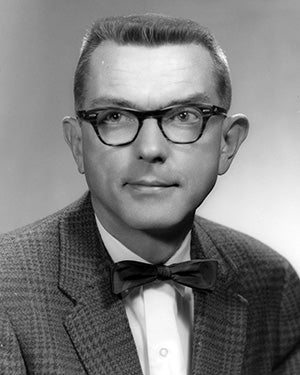 Kenneth R. Crispell, MD, served as dean of the University of Virginia School of Medicine (SOM) from 1962 to 1971. Dr. Crispell earned his medical degree at the University of Michigan Medical School in 1943. He completed his residency at the Guthrie Clinic in Sayre, Pennsylvania, as well as fellowships at the Ochsner Clinic in New Orleans and at Tulane University. He also served in the U.S. Army Medical Corps from 1944 to 1946. In 1949, Dr. Crispell joined the SOM as a Commonwealth Fellow and an instructor in medicine. He was later promoted to assistant and then associate professor. In 1958, he left UVA to serve as professor and chairman of the department of medicine at New York Medical College, a position he held until 1960.
Upon his return to UVA, Dr. Crispell continued teaching and served as acting dean of the SOM from 1962 until his promotion to permanent dean in 1964. Dr. Crispell oversaw many expansions within the SOM and his tenure witnessed a drastic rise in the student population. He also initiated a collaboration with the UVA School of Engineering to create a continuously funded biomedical engineering program. The Kenneth R. Crispell Chair of Endocrinology and the Kenneth R. Crispell Lectureship were both established in his honor. Dr. Crispell held the deanship until 1971 when he became the vice president of health sciences. In 1976, Dr. Crispell stepped down from this role and returned to internal medicine and patient care.
Dr. Crispell published widely throughout his career in the fields of internal medicine and endocrinology. In 1952, Dr. Crispell and his colleague William Parson, MD, received the first SOM grant from the National Institutes of Health to study protein metabolism and the thyroid. Additionally, Dr. Crispell was a member of Alpha Omega Alpha, Sigma Xi, the Duke University Medical Center Board of Visitors, and the Medical Society of Virginia, among others. He also served on various state commissions and committees, including both the Governor’s Advisory Committee for Virginia Regional Medical Programs and the Governor’s Study Commission for Medical Facilities in Roanoke. Additionally, Dr. Crispell was a Fellow of the American College of Physicians.
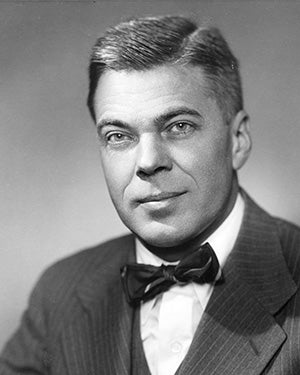 Thomas Harrison Hunter, MD, served as dean of the University of Virginia School of Medicine (SOM) from 1953 to 1962. Hunter earned his medical degree from Harvard Medical School in 1940. During Dr. Hunter’s internship and residency at Columbia University Presbyterian Hospital in New York from 1941 to 1945, he began the clinical research that would lead to dual antibiotic treatment of penicillin and streptomycin for bacterial endocarditis, an infection of the heart’s lining and valves that had previously been uniformly fatal. Dr. Hunter began his career as an instructor in the Columbia department of medicine from 1945 to 1947. He then transferred to Washington University in St. Louis as an assistant professor of medicine and assistant dean of the School of Medicine at Washington University. By the early 1950s, Dr. Hunter rose to the rank of associate professor of medicine and associate dean.
In 1953, Dr. Hunter became the dean of the SOM. During Dr. Hunter’s tenure, the SOM grew in both size and national reputation. He promoted the construction of the multistory addition to the hospital (Hospital West), was an opponent of segregation at the hospital, and was an early supporter of John F. Kennedy’s domestic policy to provide federal funding for medical care for the aging. Dr. Hunter served as chancellor of medical affairs from 1965 to 1970 and then vice president for health affairs where he oversaw the SOM, the School of Nursing, and the hospital. In 1971, Dr. Hunter was named Owen R. Cheatham Professor of Science, cofounding with Joseph Fletcher the model Program in Human Biology and Society, the forerunner to the Center for Biomedical Ethics and Humanities. He also was instrumental in starting the Medical Center Hour lecture series that same year, which still exists today. Fletcher and Dr. Hunter are recognized as the founders of biomedical ethics. In 1970, Dr. Hunter received the Thomas Jefferson Award, the highest honor bestowed by UVA. In 1973, he received the Raven Award for excellence in service and contribution to the university. Dr. Hunter retired in 1980. The Thomas H. Hunter Professorship of International Medicine was established in 1989 by the SOM in his honor.
Dr. Hunter was deeply committed to international medicine. He spent a year teaching in Cali, Colombia as a representative of the Rockefeller Foundation and worked and taught in Egypt, Venezuela, Tunisia, Kenya, Cameroon, Chile, and Brazil. Dr. Hunter’s service to the medical community also includes his time as president of the American Association of Medical Colleges (AAMC) and treasurer of the Pan American Federation of Associations of Medical Schools, of which he was a founder. The AAMC awarded him their most prestigious honor, the Abraham Flexner Award for Distinguished Service to Medical Education, in 1988.
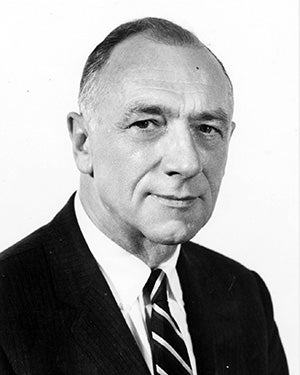 Vernon W. Lippard, MD, served as dean of the University of Virginia School of Medicine (SOM) from 1949 to 1953. Dr. Lippard earned his medical degree from the Yale School of Medicine in 1929. He subsequently completed his residency at New York Nursery and Child’s Hospital, as well as New York Hospital, before becoming an instructor in pediatrics at Cornell University Medical College, where he remained until 1938. In 1939, Dr. Lippard became an assistant dean of Columbia University’s College of Physicians and Surgeons. During World War II, Dr. Lippard served in the US Army with the 9th General Hospital in the Pacific Ocean theater. He returned to Columbia in 1945 and was offered the deanship at the Louisiana State University School of Medicine less than a year later.
Dr. Lippard became dean of the SOM in 1949. During his tenure, UVA integrated in 1950 after law student Gregory Swanson sued for and won admission. In 1953, Edward Nash and Edward Wood became the first Black students admitted to the SOM. That same year, Dr. Lippard returned to Yale to serve as dean of the Yale School of Medicine, becoming their first full-time dean and establishing the Yale-New Haven Medical Center. After three terms at Yale, Dr. Lippard stepped down from the deanship in 1967 and was appointed assistant for medical development to the president and fellows of the Yale Corporation. Dr. Lippard retired in 1971.
Dr. Lippard specialized in pediatric care and was a member of several societies and organizations, including the Surgeon General’s Consultant Committee on Medical Education and the National Committee on Health Services for the Aged. From 1954 to 1955, Dr. Lippard was president of the Association of American Medical Colleges.
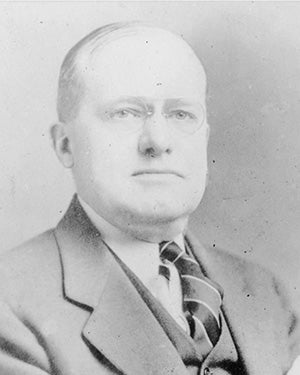 Harvey E. Jordan, PhD, served as dean of the University of Virginia School of Medicine (SOM) from 1939 to 1949. Dr. Jordan earned his PhD in biology from Princeton University in 1907. That year, he joined the faculty at UVA. In 1911, he became professor of histology and embryology. Seventeen years later, in 1928, he accepted the position of assistant dean of the SOM and, in 1939, he was installed as permanent dean and director of anatomical laboratories.
Dr. Jordan’s professional career and his time at UVA are notably marked by his work on eugenics, a racially biased pseudoscience that promoted the sterilization of certain populations to improve the human race. UVA President Edwin Alderman promoted the advancement of eugenics research by hiring Dr. Jordan and others such as Robert Bennett Bean, MD, and Lawrence Royster, MD, who conducted eugenics research and created education programs at UVA and throughout Virginia. Dr. Jordan believed that Black individuals were particularly susceptible to contracting diseases, including syphilis and tuberculosis, and advocated for mandatory registration of all persons who had such diseases. He also argued that eugenics, segregation, and sterilization were part of public health measures and should be mandated and enforced by the state. Dr. Jordan was very active in the American Eugenics Society and was widely recognized for his later discredited theories. The society and his work within it directly contributed to the 1924 Sterilization Act and the 1924 Racial Integrity Act in Virginia. The research of Dr. Jordan and other eugenicists at the University helped justify UVA Hospital’s segregation policies at the time, which required that Black patients receive medical treatment in open basement wards. Dr. Jordan retired in 1949.
Dr. Jordan was a member of the Society of American Naturalists, the American Society of Zoologists, the American Medical Association, and the Medical Society of Virginia, among others. He served as president of three professional organizations: the American Genetic Association, the American Microscopic Society, and the Virginia Academy of Science. He was also a fellow of the American Association for the Advancement of Science. In 1930, Dr. Jordan won the Virginia Academy of Science research prize with co-winner Carl C. Speidel, MD, and in 1940 was given UVA’s Raven Award for recognition of his service to the university. During his career, Dr. Jordan wrote more than 100 papers and several books, including a textbook of embryology with Dr. James E. Kindred in 1916, noteworthy for its advocacy and defense of eugenics.
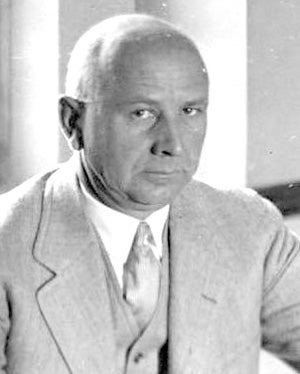 James Carroll Flippin, MD, served as dean of the University of Virginia School of Medicine (SOM) from 1924 until his death in 1939. Dr. Flippin earned his medical degree from the SOM in 1901. The following year, he was appointed instructor of medical biology at UVA, and then, in 1915, he was named professor of clinical medicine. In addition to his career at UVA, Dr. Flippin served as president of the Medical Society of Virginia in 1933.
During Dr. Flippin’s deanship, the SOM underwent significant changes, including the 1929 opening of a new Medical School Building wing that housed the medical library, office spaces, classrooms, laboratories, and other departments. The expansion was a part of a larger architectural project to support the hospital’s move towards specialization and related needs around patient care, staffing, and research, and to bring the various medical departments together in one centralized location. However, the expansion did not improve conditions for all patients. UVA Hospital was racially segregated, and during the era of Jim Crow, Black patients continued to receive care in the hospital’s basement wards.
The James Carroll Flippin Professorship in Medical Science was established in 1980 with the support of the SOM class of 1930, friends of Dr. Flippin, and the Alumni Board of Trustees of the University of Virginia Endowment. The first recipient of this professorship was Dr. Norman J. Knorr, in 1981, tenth dean of the SOM.
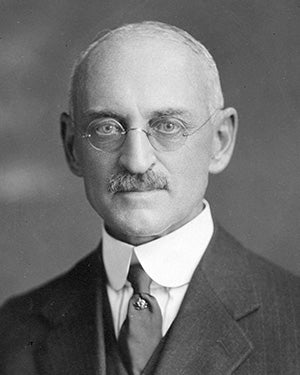 Theodore Hough, PhD, served as dean of the University of Virginia School of Medicine (SOM) from 1916 to 1924. He earned a PhD from Johns Hopkins University in 1893 with a specialty in physiology. Upon graduating, he worked at the Massachusetts Institute of Technology (MIT) as an instructor and eventually was appointed assistant professor of biology. In 1903, Dr. Hough became professor of biology at Simmons College while serving as an instructor in physiology and hygiene at the Boston Normal School of Gymnastics.
In 1907, Dr. Hough accepted the position of chair of physiology at the SOM. In 1916, he became acting dean and was installed as permanent dean the following year, a position he held until his death in 1924. During his tenure, there was much debate locally and within the Virginia General Assembly regarding the financial stability of the SOM and whether it should consolidate with the Medical College of Virginia (now Virginia Commonwealth University Health) and simultaneously move to Richmond. Dr. Hough, with the support of UVA President Edwin Alderman and others, ensured enough state senators blocked the passage of the bill in 1920. Dr. Hough’s tenure also saw the admission of the first four female medical students. UVA began admitting white women to its graduate and professional schools in 1920. Sarah Ruth Dean, a transfer student, was the first woman to graduate from the SOM in 1922. Lila Morse Bonner was the first woman to complete four full years of medical courses at UVA and the second woman to graduate from the SOM in 1924.
Dr. Hough is credited as being the first to describe delayed onset muscle soreness, also known as DOMS. During his tenure at MIT, he made one of his most long-standing professional connections with William T. Sedgwick, with whom he wrote two books, The Human Mechanism: Its Physiology and Hygiene and the Sanitation of its Surroundings (1906) and Elements of Hygiene and Sanitation (1918). Dr. Hough was President of Association of Medical Colleges in 1922 and was an active member in the American Academy of Arts and Sciences, as well as the American Physiological Society.
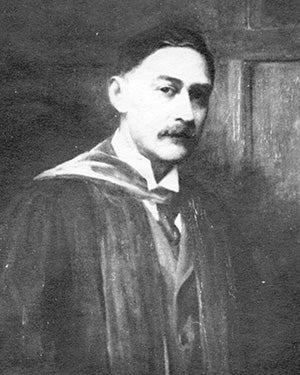 Richard Henry Whitehead, MD, LLD, was the first dean of the University of Virginia School of Medicine (SOM), serving from 1905 to 1916. Whitehead earned his medical degree from the SOM in 1887, completing his degree in just one year (at the time, the program was two years). Upon graduating, Dr. Whitehead served as demonstrator of anatomy until 1889. He subsequently spent a year studying in hospitals and clinics in Philadelphia and New York until 1890. He then returned to his hometown of Salisbury, North Carolina to practice medicine briefly with his brother. In the fall of 1890, Dr. Whitehead became anatomy professor and first dean of the University of North Carolina (UNC) School of Medicine. UNC later awarded him a Doctor of Laws degree. From 1890 to 1895, Dr. Whitehead spent his summers researching in the anatomical laboratories of Johns Hopkins and the University of Chicago, seeking to understand applicable and useful teaching models for medical students.
In 1905, Dr. Whitehead was invited to serve as chair of anatomy and as dean of the SOM, where he remained until his death in 1916. As the rest of the nation’s medical schools underwent profound restructuring and professionalization, Dr. Whitehead led this reform at UVA, focusing closely on adequate laboratory spaces, exceptional teaching, and more rigorous admission requirements (at the time, only white men could enroll). Dr. Whitehead was an active member in anatomical societies and in the American Medical Association’s Council on Medical Education.