Dudley Lab
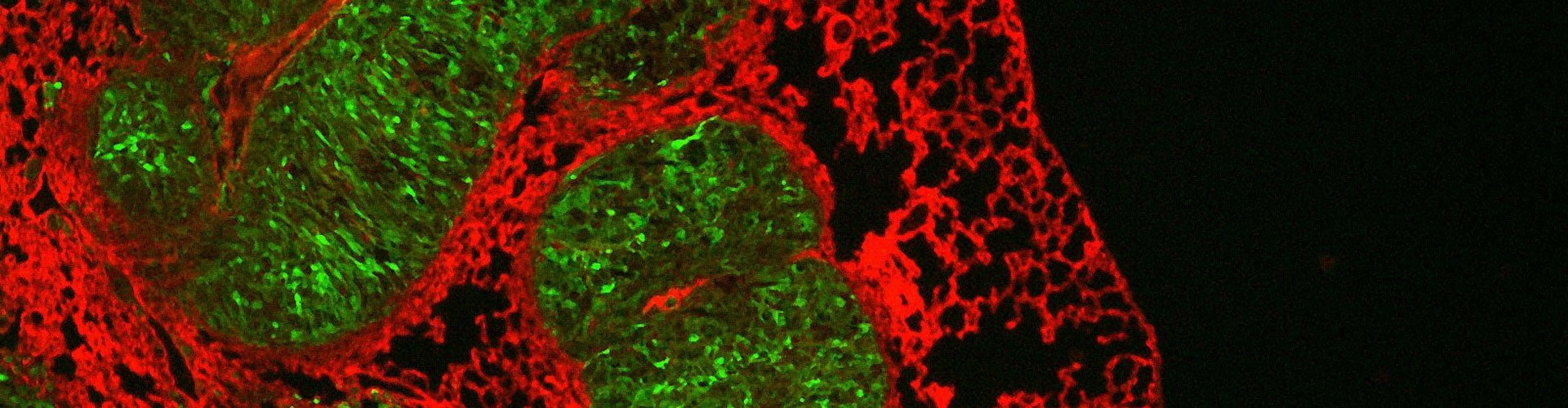
The Dudley Lab, associated with the Department of Microbiology, Immunology and Cancer Biology (MIC), is focused on the tumor microenvironment and mechanisms of tumor neovascularization. We use transgenic tumor models, in vivo lineage tracing strategies, and endothelial cell cultures to explore differentiation and specialization of the tumor vasculature. We are also focused on how endothelial cells, and other cell types found within the tumor microenvironment such as fibroblasts, contribute to the growth, progression, and immune surveillance of solid tumors and their metastases.
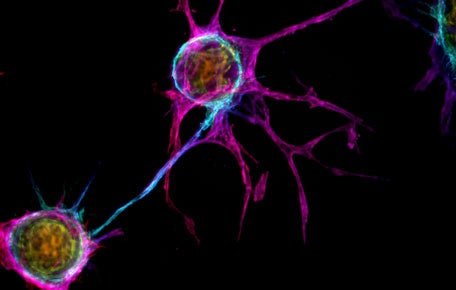 Vascular-immune cell interactions in tumorsRead More
Tumor associated blood vessels are the "gateways" for anti-tumor immune cells to enter the tumor microenvironment. Can we find new ways to target the tumor vasculature to improve immune surveillance and response to immunotherapy?
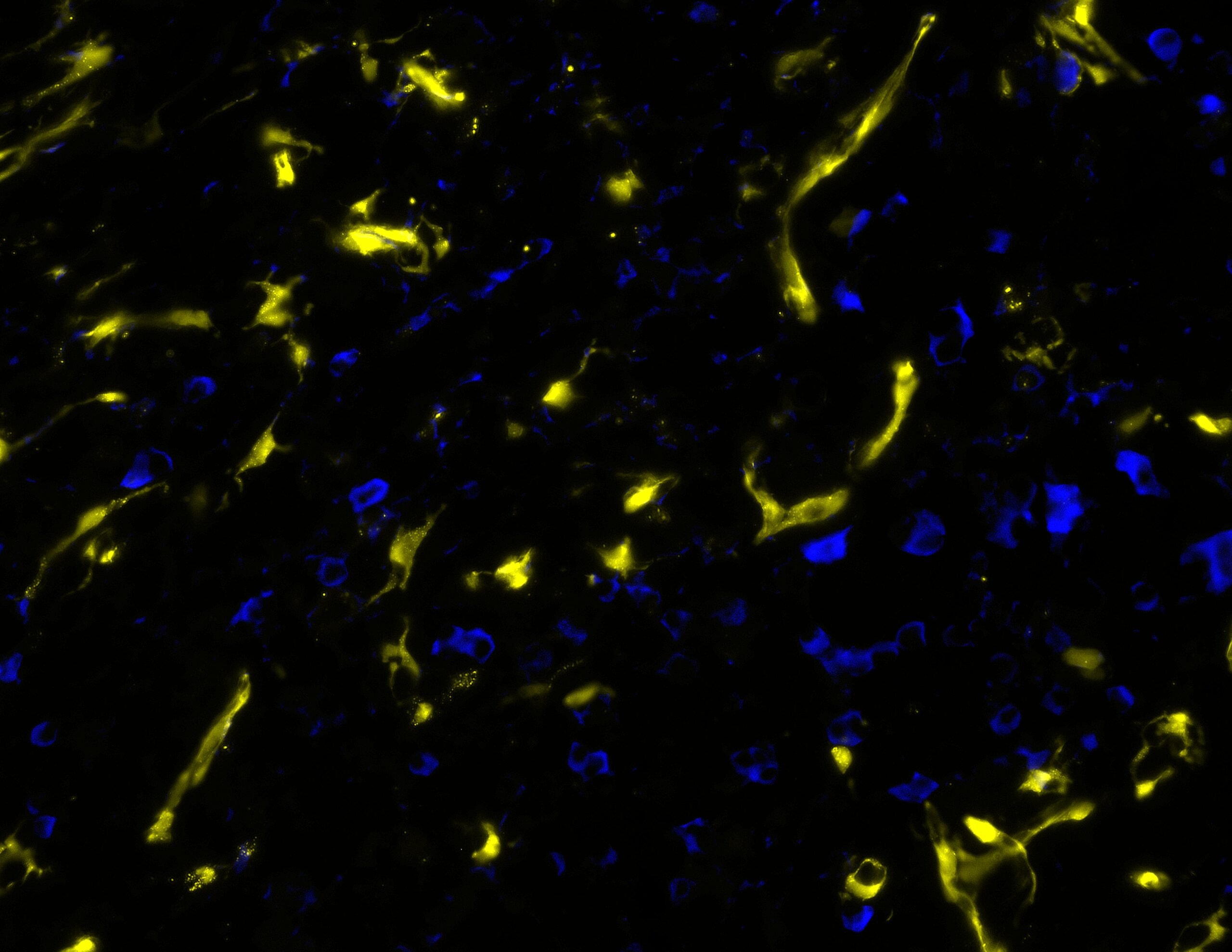 Tumor blood vessel and tumor microenvironment heterogeneityRead More
Cancer cells do not exist in a vacuum; instead, they interact with and often subvert the functions of various stromal cells (e.g. endothelial cells, fibroblasts, and immune cells) as they grow and invade. What are the mechanisms that mediate these interactions and can we target them to prevent metastasis or improve responses to different therapies?
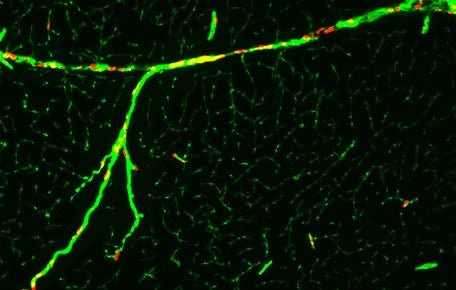 Mechanisms of tumor neovascularizationRead More
Solid tumors have diverse mechanisms for creating new blood vessels or utilizing the pre-existing vasculature to enable their survival. In different organ microenvironments, for example the brain, cancer cells can crawl along the abluminal surface of blood vessels as they invade. Can we identify new molecular mechanisms that drive this process and can we target these mechanisms to block cancer invasion?