
MIC Research Scientists
MIC Research Scientists
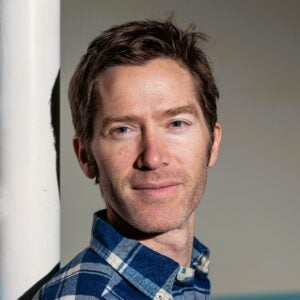 Ian J. Glomski, PhD
Senior Research Scientist
Department of Microbiology, Immunology & Cancer (MIC)
University of Virginia
Email: iglomsk@virginia.edu
Ian’s research experience has touched on a broad range of disciplines related to the pathogenesis of bacteria, including Bacillus anthracis at the Institute Pasteur, Listeria monocytogenes at the University of California, Berkeley, and now Neisseria gonorrhoeae in the Criss Lab at the University of Virginia. His primary research focuses on the establishment and utilization of a cervicovaginal biomimetic model of gonorrhea to explore the interplay of N. gonorrhoeae, the innate immune system, and the microbiome in health and disease.
 Shekhar Saha, PhD
Senior Research Scientist
Department of Microbiology, Immunology & Cancer (MIC)
University of Virginia
Email: ss7st@virginia.edu
Google Scholar Profile
LinkedIn Profile
Dr. Shekhar Saha is a senior research scientist at the School of Medicine at the University of Virginia. He earned his PhD from the Indian Association for the Cultivation of Science, India, where his research focused on understanding the role of Nonmuscle Myosin II-C2 in neuritogenesis. He demonstrated that Nonmuscle Myosin II-C2 interacts with β-integrin to regulate neurite adhesion to the substratum, ultimately influencing neurite growth.
Following his PhD, Shekhar joined the University of Virginia for postdoctoral training, where he investigated the role of long noncoding RNAs in cancer, with a particular emphasis on prostate cancer and glioblastoma. Currently, his research centers on using CRISPR/Cas9 screening to study glioblastoma in combination with various drugs. He aims to identify novel therapeutic strategies to effectively inhibit glioblastoma initiation and progression.
 Mirna Perusina-Lanfranca, PhD
ORCID: 0000-0002-3845-2585
Linkedin: linkedin.com/in/mirna-p-638799176
Dr. Mirna Perusina-Lanfranca is a tumor immunologist with extensive and diverse research experience. Passionate about translational science. Dedicated mentor and teacher. She is currently a research scientist in Dr. Victor Engelhard’s lab at the Carter Immunology Center at the University of Virginia, studying the regulation of T cell homing to tumors. In several tumor types, an immune-supportive tumor microenvironment in addition to the presence of CD8 T cells is associated with better clinical outcomes for patients. The factors that regulate the entry of CD8 T cells into tumors are not completely understood. A major research area of Dr. Perusina-Lanfranca is understanding the mechanisms that control the entry of CD8 T cells, focusing on the role of the vasculature, tumor endothelial cells crosstalk with the immune infiltrate and its impact on tumor immunity, as well as their role mediating metastatic disease.
 Xian Zhou, PhD
Research scientist
Department of Microbiology, Immunology & Cancer (MIC)
University of Virginia
Email: krt9kk@virginia.edu
Xian completed her graduate studies at Fudan University in Shanghai, where she gained valuable experience in both human and mouse vaccine development, adjuvant screening, and evaluation of immune responses post vaccination. In 2017, she joined the Mayo Clinic as a postdoctoral fellow, focusing on metabolic regulation of immune cell development and function, as well as immune metabolism in autoimmune diseases.
Driven by a strong interest in cancer immunology, she later joined Dr. Hui Zong’s laboratory at the University of Virginia (UVA) to investigate immune surveillance against pre-cancerous cells during the premalignant stage of breast cancer. The Zong lab has developed a triple-negative breast cancer (TNBC) mouse model using stochastic Brca1–Trp53 knockout with Mosaic Analysis with Double Markers (MADM) (Zong et al., Cell, 2005; Zeng et al., Dis. Model. Mech., 2023) in active mammary progenitors. Using multiple spatial profiling tools, she discovered that immune surveillance—particularly T and B cell–driven immune aggregate formation—plays a critical role in restraining premalignant progression long before tumor formation.