
6/17/2025
Research in the Dolatshahi lab combines multiplex experimental measurements with computational methods (including statistical machine learning, network inference, information theory, signal processing and kinetic-dynamic modeling) to solve problems in the…

6/17/2025
Overview. I work at the interface of virology and genetics to reveal core principles of viral and host gene expression. I seek to understand how viruses manipulate the transcriptional machinery…

6/17/2025
The Dudley Lab, associated with the Department of Microbiology, Immunology and Cancer Biology (MIC), is focused on the tumor microenvironment and mechanisms of tumor neovascularization. We use transgenic tumor models,…

6/17/2025
Genetics of complex disease Common diseases, such as osteoporosis, impart significant societal health burdens. These diseases are, in part, regulated by genetic determinants and understanding their genetic basis is critical to…
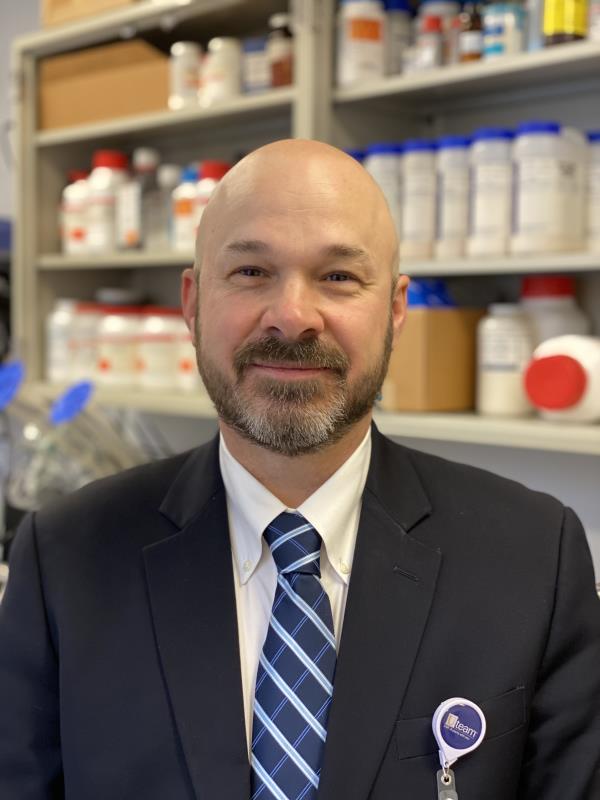
6/17/2025
Acute Myeloid Leukemia (AML) is the most common acute leukemia in adults. AML prognosis and overall survival decline in patients older that 60 years of age and in patients who…

6/17/2025
Renin-synthesizing cells are crucial in the regulation of blood pressure and fluid and electrolyte homeostasis. These cells have been considered as terminally differentiated because they synthesize a hormone, are few…

6/17/2025
My laboratory is investigating how the axial properties of vertebrate embryos are first established and then how particular tissues are determined within defined regions of the embryo. Research projects concerning…

6/17/2025
Research in the Güler Malaria Lab focuses on the human-infective malaria parasite, Plasmodium falciparum. Some of our projects are described below: ·We are interested in underlying mechanisms that drive genetic change…

6/17/2025
Our laboratory is specifically interested in the regulation of vascular cell commitment, differentiation and cell cycle progression, and defining signaling pathways that modulate these processes. We also aim to understand…

6/17/2025
Targeted therapy: by serendipity, we identified a novel oncogene, and found that multiple cancers are addicted to its activity. This oncogene addiction is evidenced in glioblastoma, pediatric sarcoma, and others.…
