
Witt Lab
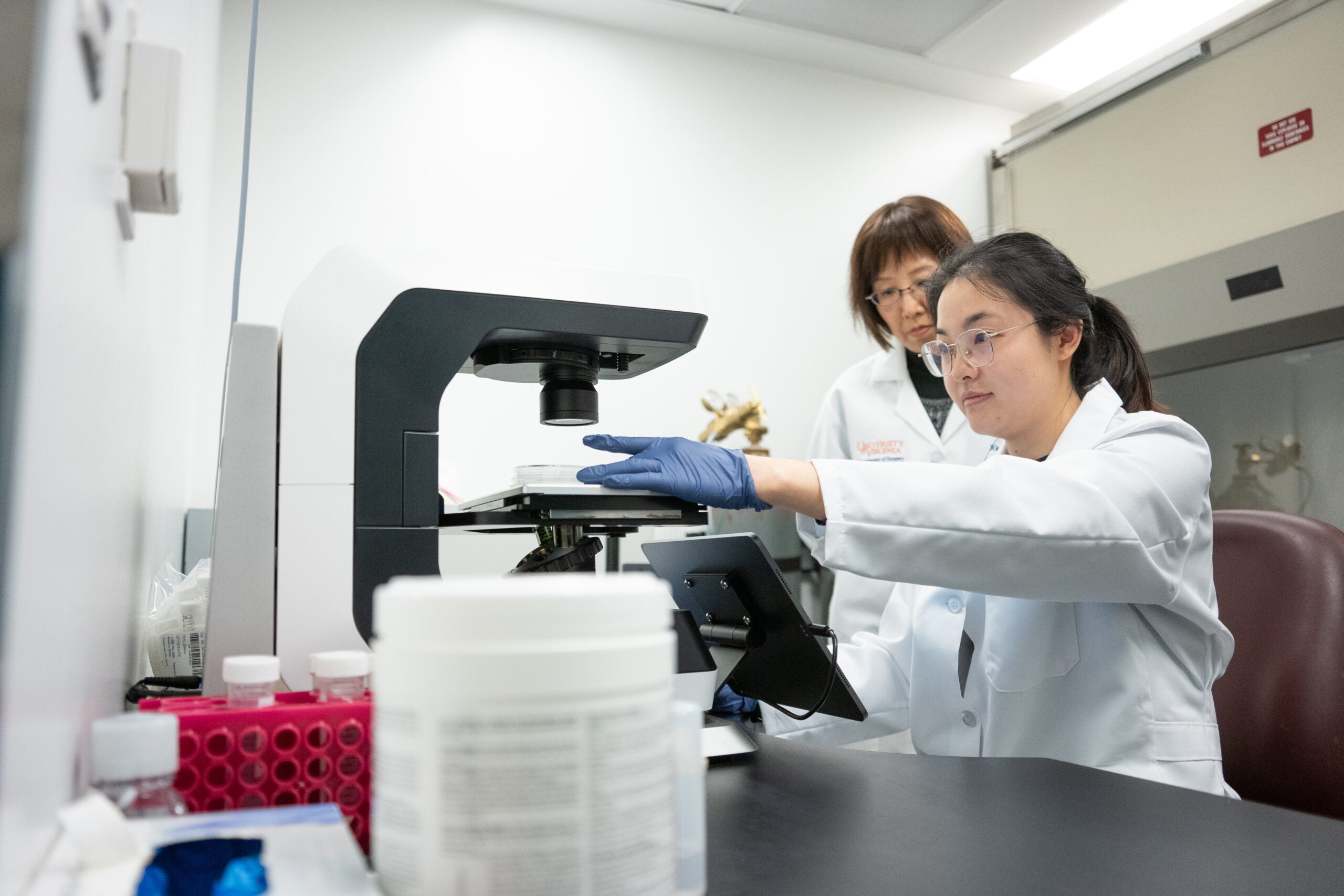
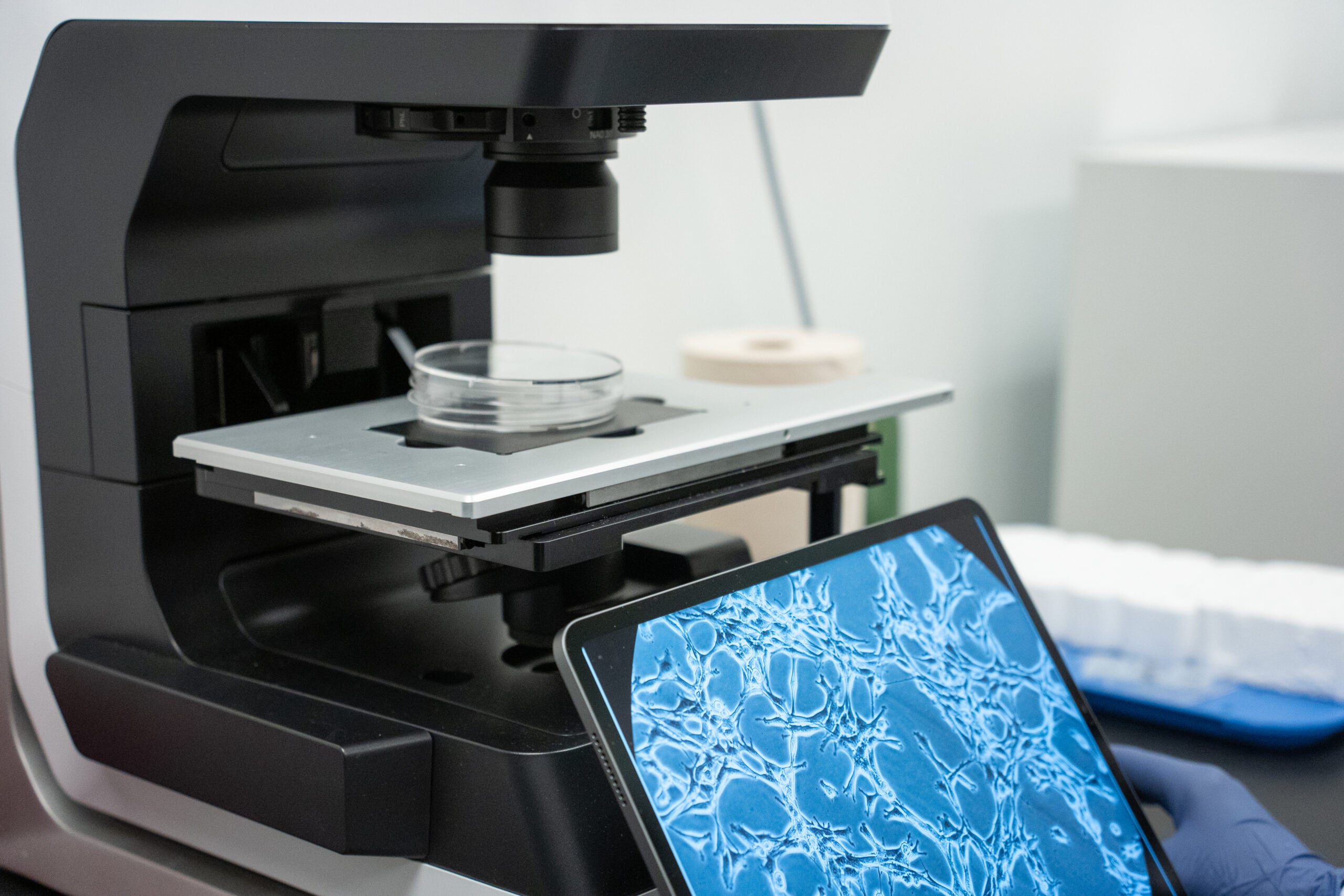
Welcome to the Witt Lab!
Interested in Getting Involved?
Contact UsThe Witt Lab at the University of Virginia investigates the biological mechanisms that drive melanoma progression and therapeutic resistance. We focus on how systemic metabolic states, particularly obesity and physical activity, reshape tumor metabolism, stress responses, and treatment sensitivity. By integrating translational models with clinically annotated human samples, our goal is to define actionable vulnerabilities that inform more precise and effective melanoma therapies.
Interested in Getting Involved?
Contact UsAbout
Expertise in Melanoma Research
While our laboratory is newly established, but our team boasts an extensive track record of over 12 years of research. Dr. Witt has published in scientific journals such as Nature, Science Translational Medicine, JAMA Surgery, and JAMA Dermatology. Our residents, medical student, and undergraduates have presented at national meetings such as the annual meetings of the American Society of Clinical Oncology, Society of Surgical Oncology, the Academic Surgical Congress, and others.
Clinically Relevant Research
The Witt Lab is dedicated to improving outcomes for patients with melanoma by integrating clinical, translational, and basic research. Our work spans from bench to bedside, exploring molecular mechanisms of melanoma resistance, investigating novel therapeutic approaches, and performing clinically relevant studies, with the ultimate goal of translating these findings into better treatments. By bridging laboratory discoveries with clinical application, we aim to enhance patient care and contribute to advancements in melanoma therapy.
Understanding What Drives Melanoma Response and Progression
We are currently working towards a better understanding of what governs melanoma resistance, responses to treatment, and determine why certain individuals respond better than others.
Surgical Research
Beyond our work in melanoma, we are research a variety of topics related to academic surgery. We have explored numerous topics including the affordability of parenthood as a resident, medical misinformation on social media, and training background on future research success.
About
Expertise in Melanoma Research
While our laboratory is newly established, but our team boasts an extensive track record of over 12 years of research. Dr. Witt has published in scientific journals such as Nature, Science Translational Medicine, JAMA Surgery, and JAMA Dermatology. Our residents, medical student, and undergraduates have presented at national meetings such as the annual meetings of the American Society of Clinical Oncology, Society of Surgical Oncology, the Academic Surgical Congress, and others.
Clinically Relevant Research
The Witt Lab is dedicated to improving outcomes for patients with melanoma by integrating clinical, translational, and basic research. Our work spans from bench to bedside, exploring molecular mechanisms of melanoma resistance, investigating novel therapeutic approaches, and performing clinically relevant studies, with the ultimate goal of translating these findings into better treatments. By bridging laboratory discoveries with clinical application, we aim to enhance patient care and contribute to advancements in melanoma therapy.
Understanding What Drives Melanoma Response and Progression
We are currently working towards a better understanding of what governs melanoma resistance, responses to treatment, and determine why certain individuals respond better than others.
Surgical Research
Beyond our work in melanoma, we are research a variety of topics related to academic surgery. We have explored numerous topics including the affordability of parenthood as a resident, medical misinformation on social media, and training background on future research success.
Current Research Projects
Recent Publications
Learn MoreTranslational Research
- The Obesity Paradox In Melanoma
Immune checkpoint blockade (ICB) and BRAF-targeted therapy have significantly extended the life expectancy of melanoma patients. However, despite these treatment successes, a substantial 40-65% of those with metastatic melanoma do not survive beyond five years. Recent research has uncovered a perplexing phenomenon: obese patients receiving ICB and BRAF-targeted therapy show improved survival rates compared to their normal-weight counterparts. This unexpected discovery, known as the “obesity paradox,” contradicts the establish thinking regarding obesity. In our research project, we aim to unravel this paradox by investigating how obesity-associated changes affect the efficacy of melanoma treatment. - The Tumor Microenvironment of In-Transit Melanoma
In-transit melanoma (ITM) metastases are cutaneous or subcutaneous deposits of melanoma cells in the drainage area between the primary tumor and the first regional lymph node. ITM is a distinct clinical entity that can be difficult to treat because the tumors can be multiple and encompass a very large area. The mechanisms underlying ITM metastases are not fully understood. While ITM often occurs in the presence of distant metastasis some patients exhibit only aggressive locoregional disease with delayed or no progression to distant sites. Our lab is looking at the unique mutational landscape of ITM metastases to determine if we can determine the underlying mechanism for this unique clinical behavior and possibly find therapeutic targets.
Clinical Research
- The Correlation of Visceral Fat with BRAF/MEK Treatment Responses in Melanoma
- The Practice Patterns of Treatment for High and Low Risk Thin Melanomas
- Training History and NIH Funding for Surgeons
- Affordability of Parenthood as a Resident
- Credibility of Medical Social Media Influencers
- Porocarcinoma Clinical and Pathologic Characteristics
- NODES Trial: Navigation Of Decisions for Elective Sentinel Lymph Node Surgery for Melanom
Recent Publications
Learn MoreOur Team
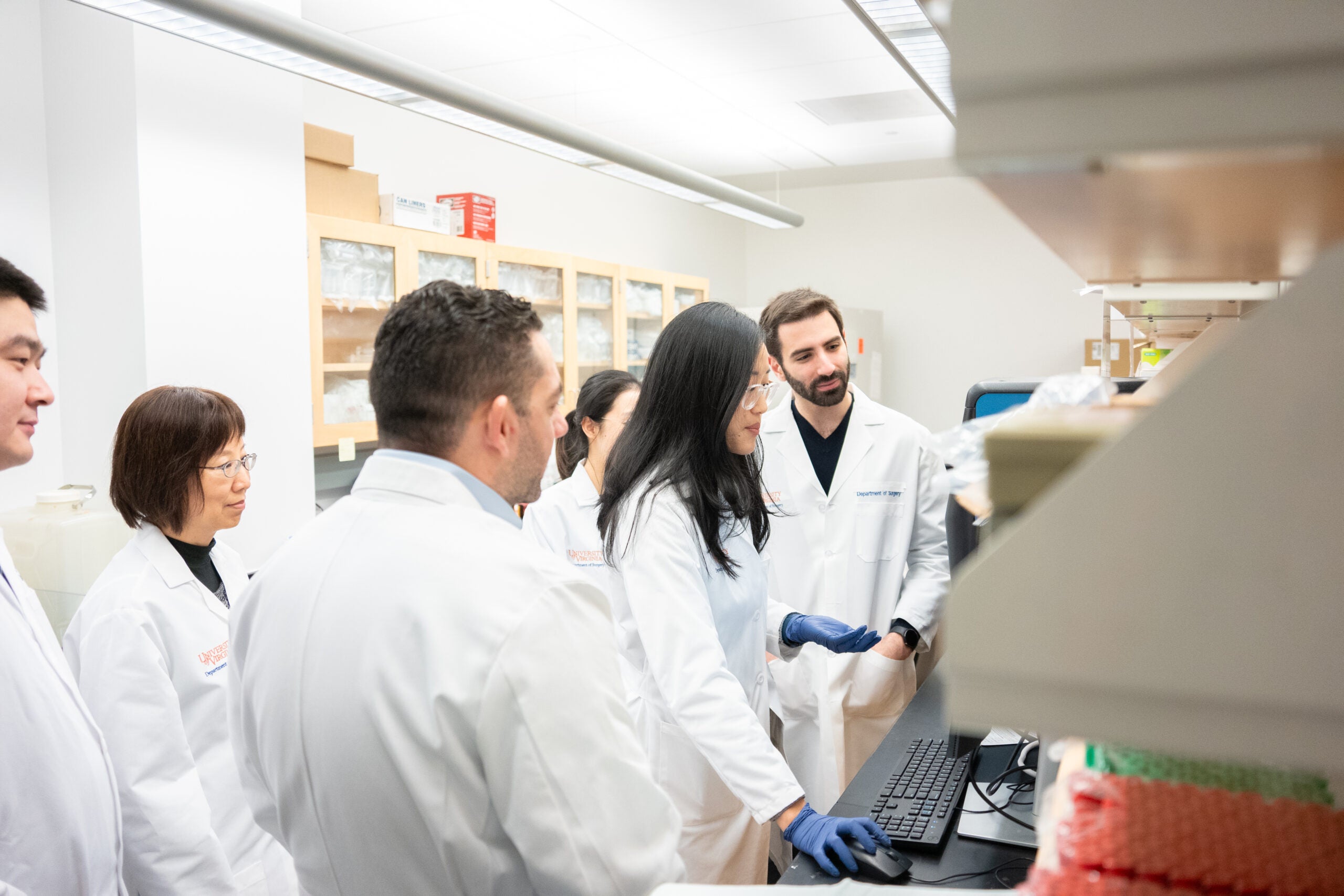
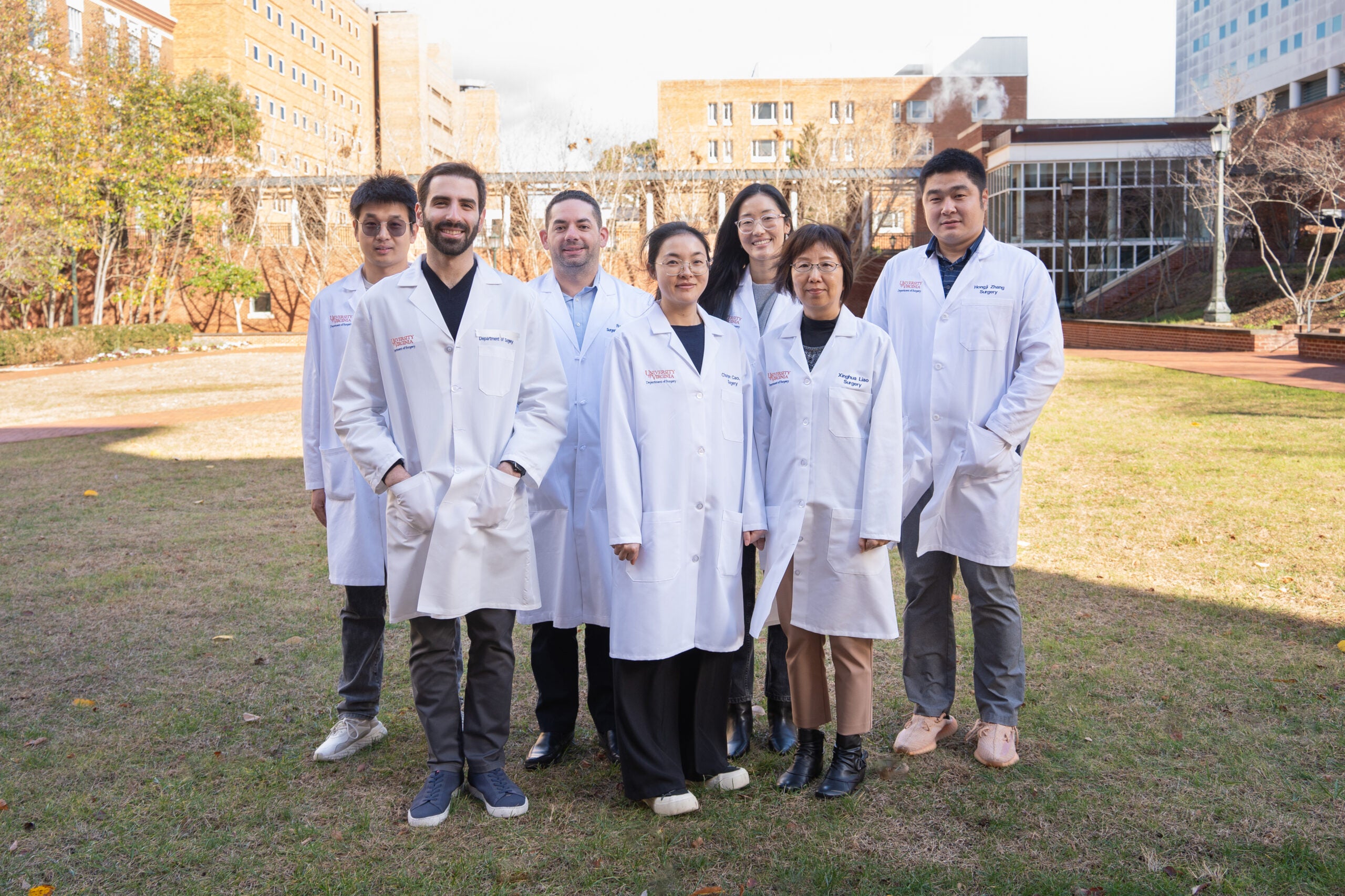
The Witt Lab collaborates closely with many labs at UVA. We aim to create a collaborative environment where students, residents, and scientists can exchange ideas and work together to advance cancer care.

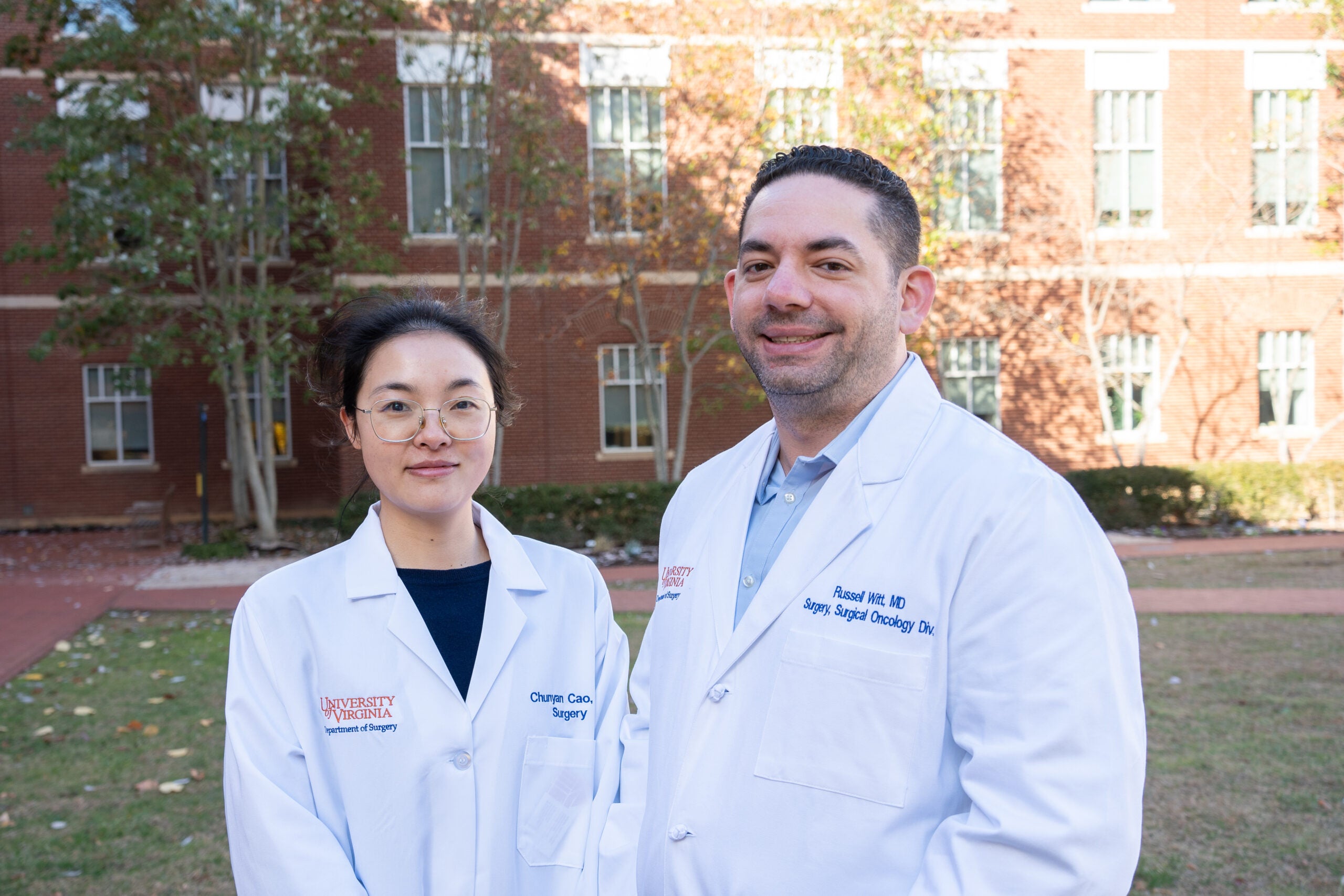
Dr. Russell Witt is a surgical oncologist specializing in melanoma and soft tissue sarcoma. He earned his MD and a master’s in Clinical Research from the University of California, Davis, before completing his general surgery residency at Brigham and Women’s Hospital. He then pursued a research fellowship at the University of California, San Francisco, followed by a surgical oncology fellowship at MD Anderson Cancer Center. At UVA, Dr. Witt leads a research lab exploring the intersection of obesity, metabolism, and sex-specific differences in melanoma progression and treatment resistance. His work aims to uncover novel therapeutic strategies to improve outcomes for patients with aggressive skin cancers.

Jacob graduated from University of Alabama Huntsville while studying the impact of fasting on the hepatic expression of the MKP-1 protein. He also spent time at the University of Memphis studying the Ah receptor, before moving to the University of Virginia. He stands as a beacon of determination and resilience, in the heart of a bustling laboratory dedicated to unraveling melanoma immunology. As he stands amid the vials and equipment, his heart beats not just for science, but for every person who dares to dream of a future beyond melanoma.

Mackenzie was born and raised in Florida and went to the University of Miami for undergrad and Florida International University for medical school. She is a general surgery resident at the University of Virginia who is doing two dedicated years of research. She is also completing a Masters of Science in Clinical Research. She hopes to apply to a surgical oncology fellowship in the future. In her free time, Mackenzie enjoys college football and trying new foods.

Eunice is a first-year medical student at UVA. After earning her B.S. from Cornell in 2023, she spent two years as a dermatology medical assistant, which sparked her interest in cutaneous oncology and the pathology of melanoma. She is also interested in medical education research, specifically looking at how research involvement impacts the journey of medical students. When she’s not studying, you can find Eunice in the gym, scouting out local Charlottesville cafes, or planning her next trip abroad.

Holly is a first-year medical student at the University of Virginia. She earned both her B.S. and M.S.E. in Bioengineering from the University of Pennsylvania, where she conducted research on epigenetics and cancer therapeutics. Her interests include melanoma, surgical oncology, and translational cancer research, particularly in improving patient-centered cancer care. Holly is currently studying melanoma adjuvant therapy in the Witt Lab and hopes to pursue a career in surgical oncology. Outside of medicine, she enjoys playing the piano and spending time with her cat.

Kali is a third-year medical student at UVA. While earning her B.S. in Neuroscience at Virginia Tech, she worked as a dermatology medical assistant. Outside of clinical duties, she enjoys artistic hobbies such as rug tufting, crochet, and knitting.

Yubin is a first-year student at the University of Virginia School of Medicine. She is a Double Hoo, having earned her undergraduate degree in Computer Science from UVA before transitioning to a career in medicine. She is currently interested in pursuing a surgical specialty. Outside of medical school, Yubin enjoys art and learning to golf.

Celine is a fourth-year Anthropology student at UVA. She enjoys running, listening to EDM, and teaching creative writing to kids.

Jackson Haught is a second-year undergraduate from Richmond pursuing a B.A. in neuroscience on the pre-med track. Outside of the lab, Jackson works as an EMT and plays tennis. He also sings and plays guitar, performing around Virginia.

Isabelle Aujla is a third-year pre-medical student double majoring in French and Human Biology at UVA. Outside of the classroom, she enjoys working out, running, and riding horses.

Yixin is a first-year graduate student in the Biomedical Sciences Graduate Program at UVA. She is getting her degree in Experimental Pathology.
Chunyan Cao, MD
M. Sophia Shafiei, PhD
Justin Lee
Nidhi Kuchimanchi
Meg Mercante
Emily Tocco
Katherine Byrnes
Bhoomi Shah
Peyton Yee
Dade Prince-Shittu
Hilda Joseph
Funding
- National Cancer Institute K08 Mentored Clinician Scientist Development Award
- National Cancer Institute – Early Surgeon Scientist Program
- integrated Translational Health Research Institute of Virginia (iTHRIV) Scholar
- University of Virginia Cancer Center IDEA Pilot Grant
- University of Virginia Cancer Center Melanoma Translational Research Award
- University of Virginia Cancer Center Investigator Initiated Clinical Trial
Contact Us