6/17/2025
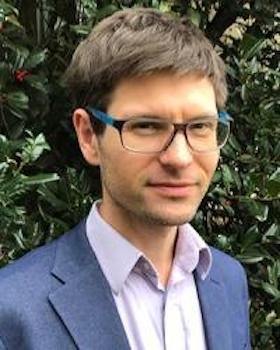
Dr. Rich's research is centered on understanding the genetic epidemiology of complex human disease, including the genes contributing to atherosclerosis, stroke and intermediate phenotypes (risk factors). These studies range from…

6/17/2025
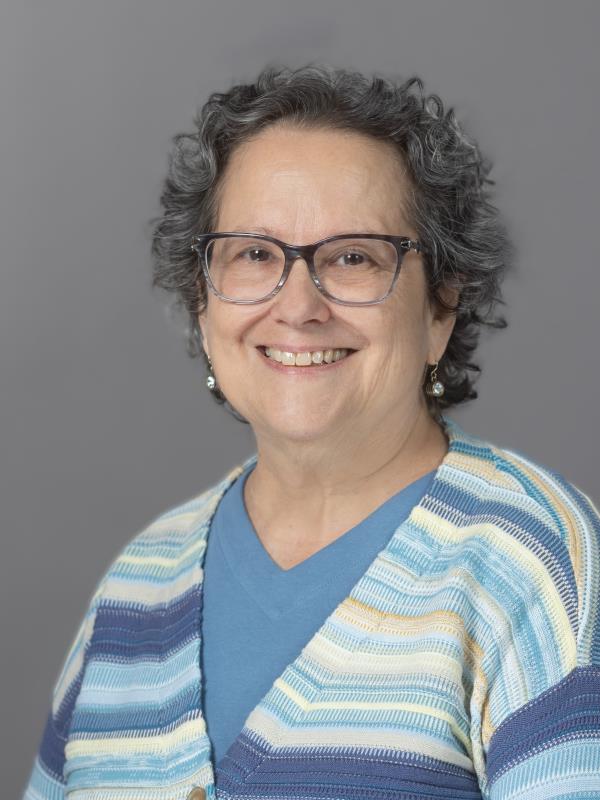
The Sperling lab focuses on the role of the immune system in the development and progression of lung disease. In mouse models, we have made significant contributions to our understanding…
6/17/2025
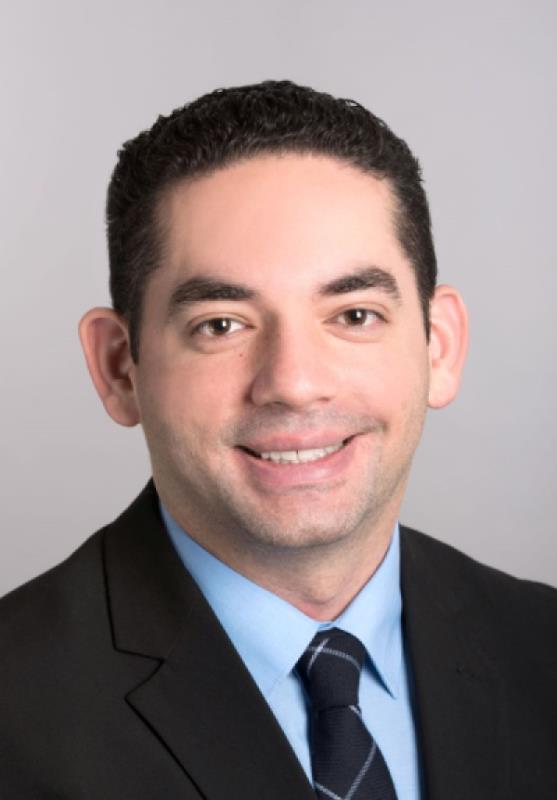
My laboratory studies the biological conflict between bacteria and the viruses that infect them: bacteriophages (phages). Bacteriophages are the most abundant entity on the planet, and are crucial for controlling…

6/17/2025
Despite advancements in melanoma treatment with immune checkpoint blockade (ICB) and BRAF-targeted therapy, 40-65% of metastatic melanoma patients do not survive beyond five years. An observed 'obesity paradox' shows improved…
6/17/2025
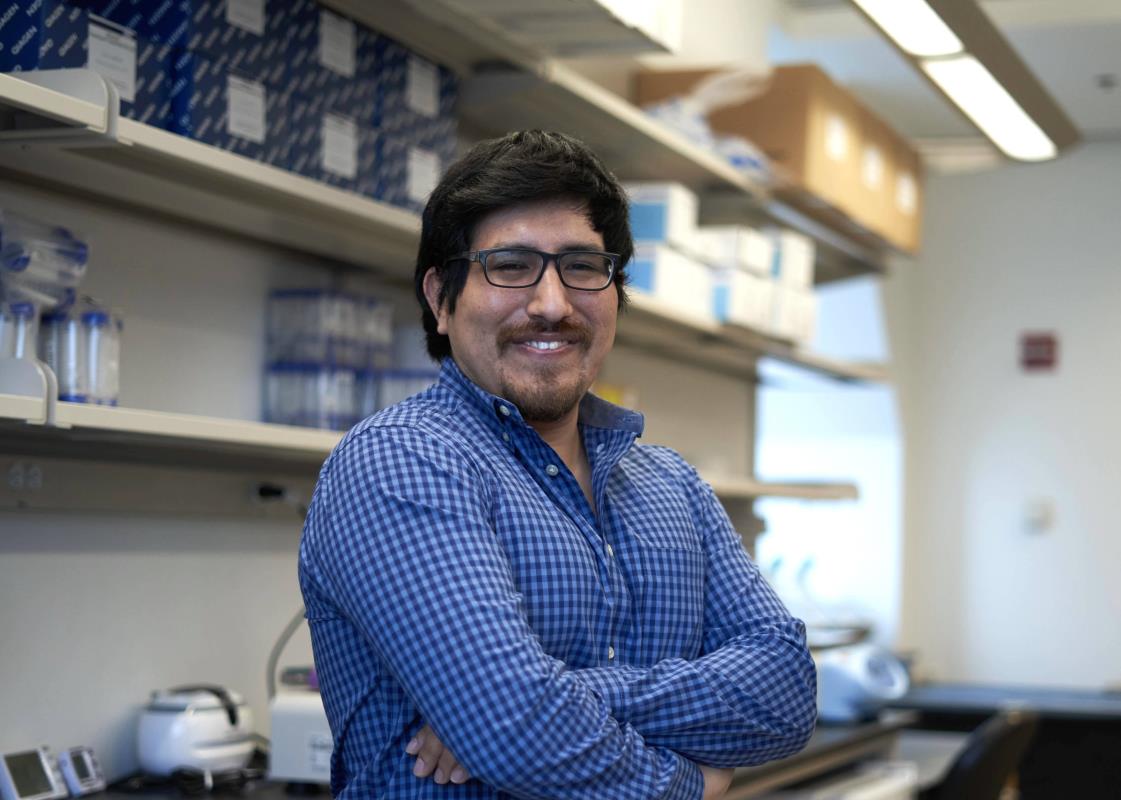
How do tissues regenerate after damage? What are the mechanisms that allow cells to coordinate regeneration? The Worley lab combines experimental genetics, developmental biology, and single-cell transcriptomics to uncover the…

6/17/2025
How gene expression is regulated in chromatin is a fundamental question in molecular biology. The transcription program is a major determinant of cell identity; transcriptional regulation is involved in many…

6/17/2025
Autoimmune diseases are a major health problem affecting over 200 million people worldwide and represent one of the leading causes of death for women under 65 years old. Although these…
6/17/2025
During the development of chronic lung disease, repetitive environmental insults/injuries, such as cigarette smoke, respiratory viruses infection and allergy lead to ineffective repair in the genetically susceptible subjects. Molecular understanding on…

6/17/2025
We are using multi-scale approaches to understand mechanisms of how mitotic and meiotic spindles are assembled and function to segregate chromosomes in various model systems. Failure of these processes are…