6/17/2025

6/17/2025
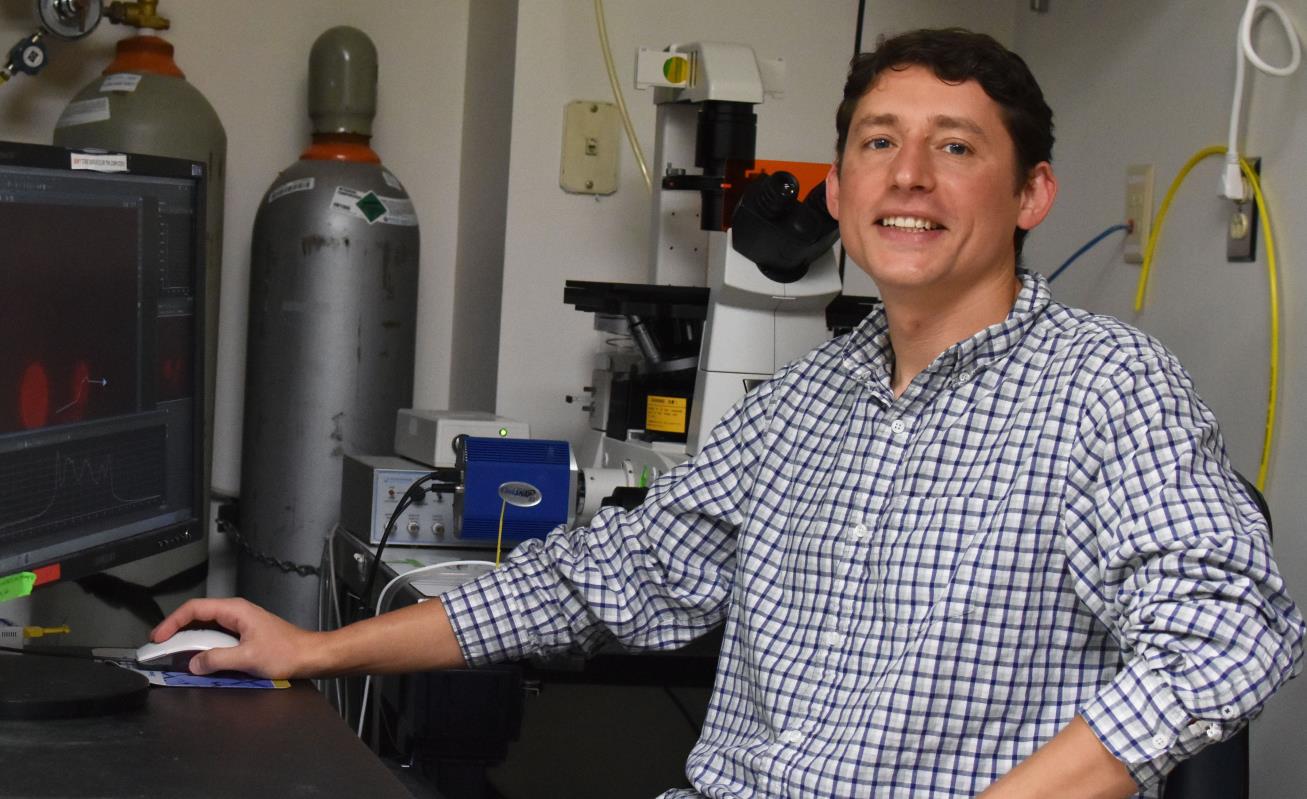
The overall goal of our research is to understand the fundamental mechanisms by which membranes and dietary lipids regulate cell physiology. By understanding the cell biology of lipids and membranes,…
6/17/2025

6/17/2025
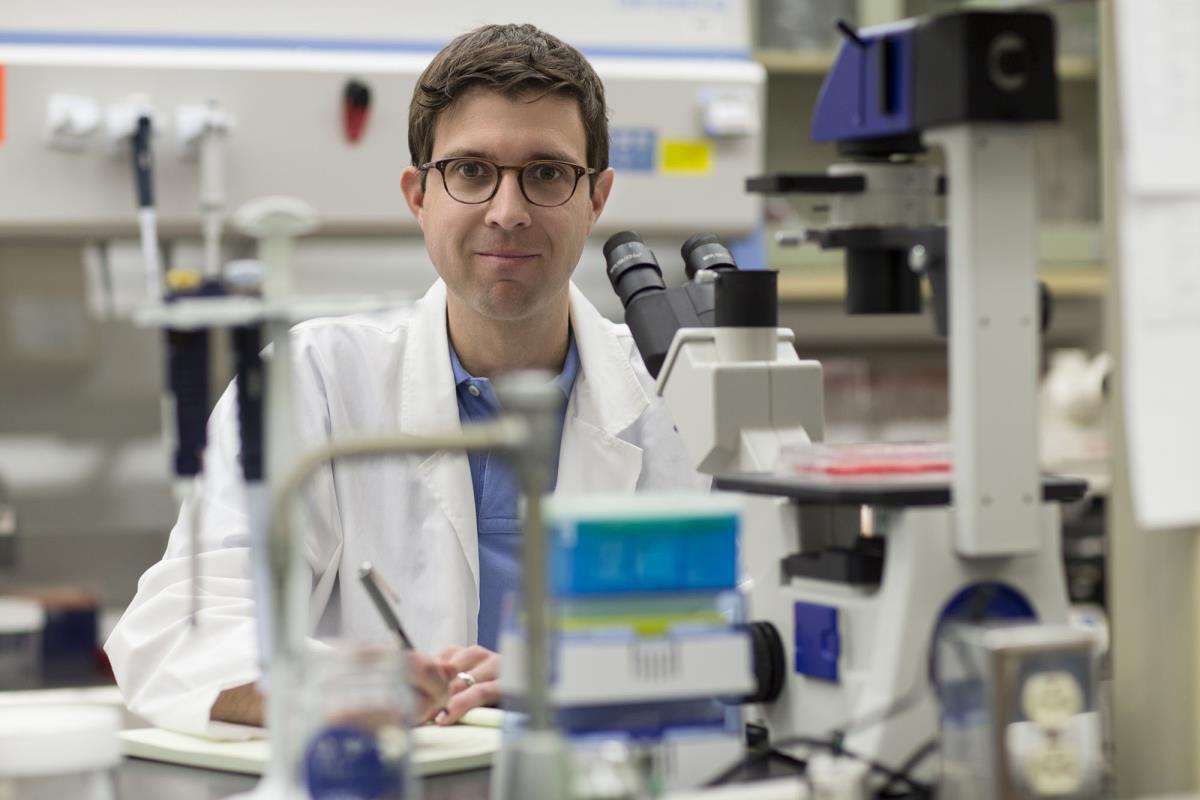
Our laboratory is focused on understanding how immunological pathways contribute to neurodegenerative, neurodevelopmental, mental and behavior disorders. We are actively investigating the cellular and molecular pathways that contribute to neuroinflammation…
6/17/2025
Specific Research Ongoing in the McNamara lab Discovery of a single nucleotide polymorphism (SNP) in the human ID3 gene that is functionally relevant and associated with vascular disease in humans. The…

6/17/2025
Identification of Factors and Mechanisms that Regulate the Stability of Late Stage Atherosclerotic Lesions and the Probability of Thromboembolic Events Including a Heart Attack or StrokeAtherothrombosis, resulting from rupture or…

6/17/2025
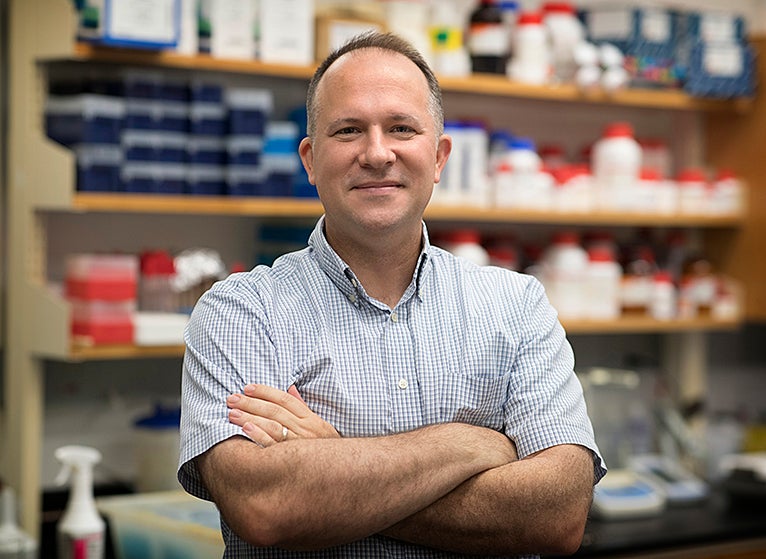
Systems analysis has become a requirement for making sense of high-throughput data and for characterizing properties of biological networks. In order to extend these recent developments to medical applications, there…
6/17/2025
The Important Role of the Microcirculation: Every organ in the body is dependent on blood flow to provide the necessary oxygen and nutrients in order to stay alive. The circulatory system…

6/17/2025
My laboratory aims to explore the physiological role of endoplasmic reticulum (ER) homeostasis (with a special focus on ER-associated degradation, ERAD) in the context of human diseases. We use genetic,…

6/17/2025
All eukaryotic cells divide by assembling a microtubule-based spindle machinery that equally segregates chromosomes between daughter cells. The faithful segregation of chromosomes during cell division is essential as errors in…