
Physiology
About
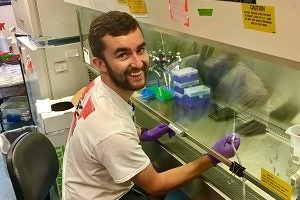
How does a living system actually work? The Physiology (PHYS) Graduate Program at UVA trains students to answer that question across every scale—molecules, organelles, cells, tissues, whole organisms—and to reveal how those systems fail in disease and with aging. PHYS is anchored in the Department of Molecular Physiology and Biological Physics (MPBP) and closely integrated with UVA’s Robert M. Berne Cardiovascular Research Center (CVRC). Together, MPBP and the CVRC provide a dynamic, collaborative community with strengths in cardiovascular and metabolic physiology, cell and molecular biology, biophysics, structural biology, genetics, advanced imaging, and computational science. PHYS students conduct innovative research alongside faculty across the School of Medicine. Through rigorous laboratory training, coursework, seminars, and professional development, students learn to think critically, address important biomedical questions, communicate their discoveries, and prepare for diverse careers in science. For more information, visit the MPBP or CVRC websites.
Program Faculty
Abbate, Antonio
Identifying and exploring the role of innate immunity, inflammasome, and interleukin-1 blockade in the pathogenesis and pathophysiology of cardiovascular disease
Ai, Huiwang
Molecular Biosensors; Spatiotemporal Regulation of Biological Signaling; Protein Engineering for Imaging, Diagnostics, and Therapeutics
Bushweller, John H.
Drug Development Targeting Transcription Drivers in Cancer; Structure/Function Studies of Transcription Factor Drivers in Cancer
Ebrahim, Seham
Cytoskeletal architecture, dynamics and roles in cellular physiology and disease; High-resolution live cell and tissue imaging
French, Brent A.
Novel Therapies for Treating and Preventing Ischemic Heart Disease
Gan, Lu
Chromosome organization; Nucleosome structure; Histone marks; Structural cell biology
Guo, Lian-Wang
Vascular wall remodeling, intimal hyperplasia, stenosis, aneurysm, retinal degeneration.
Hirschi, Karen Kemper
Understanding Cellular and Molecular Mechanisms Leading to Blood Vessel Formation
Isakson, Brant
Translating our discoveries in the microcirculation to tangible benefits in patients.
Kelly, Kimberly
Advancement in the design of imaging agents; molecular imaging and radiological sciences.
Kuyumcu-Martinez, Muge N
RNA regulatory networks and RNA binding proteins during cardiovascular development and in cardiovascular disease
Levental, Ilya
Composition, Biophysics and Physiology of Cellular Membranes
Lindner, Jonathan
Cardiovascular Biology
Lukens, John R.
Understanding How Immunological Pathways Contribute to Neurodegenerative, Neurodevelopmental, Mental and Behavior Disorders
McNamara, Coleen A.
Immune System Regulation of Cardiometabolic Disease
Owens, Gary K.
Identification of Factors and Mechanisms that Regulate the Stability of Late Stage Atherosclerotic Lesions and the Probability of Thromboembolic Events Including a Heart Attack or Stroke
Papin, Jason
Systems biology, infectious disease, cancer, toxicology, metabolic engineering
Peirce-Cottler, Shayn M.
Tissue Engineering and Regeneration, Computational Systems Biology, Vascular Growth and Remodeling, Stem Cell Therapies
Qi, Ling
Delineate the physiological importance and structure-function relationship of ER-associated degradation in humans.
Redemann, Stefanie
Chromosome segregation and aneuploidy in meiosis and mitosis
Saucerman, Jeffrey J.
Roles of complex signaling networks involved in the regulation of cardiovascular function and disease
Sheynkman, Gloria M.
Proteoform Systems Biology: proteogenomic approaches to uncover the role of proteomic variation in human disease
Somlyo, Avril V.
biophysics, biophysics & structural biology, cardiovascular biology, and physiology
Sonkusare, Swapnil
Identify the calcium signaling abnormalities that lead to vascular dysfunction and blood pressure elevation in cardiovascular disorders
Tamm, Lukas K.
Biomembrane Structure and Function; Cell Entry of Enveloped Viruses; Neurosecretion by Exocytosis; Structure of Bacterial Pathogen Membrane Proteins; Lipid-Protein Interactions
Toldo, Stefano
Cardiovascular Medicine
Tsai, Ming-Feng
Membrane-transport physiology and biophysics
Tsihlis, Nick Dimitrios
Vascular Biology, Nanotechnology, Biomaterials, Drug Delivery
Whitlock, Jarred M
The formation, function, coordination, and pathology of multinucleated cell types that make up the placenta and musculoskeletal system.
Wolf, Matthew J
Identification of genes and pathways that cause or modify cardiac hypertrophy and heart failure.
Xie, Jinghang
Molecular Imaging; Cancer Immunology; Vaccines.
Zimmer, Jochen
Transport of biopolymers across biological membranes with a particular interest in polysaccharide and protein translocation.