Cardiothoracic Imaging
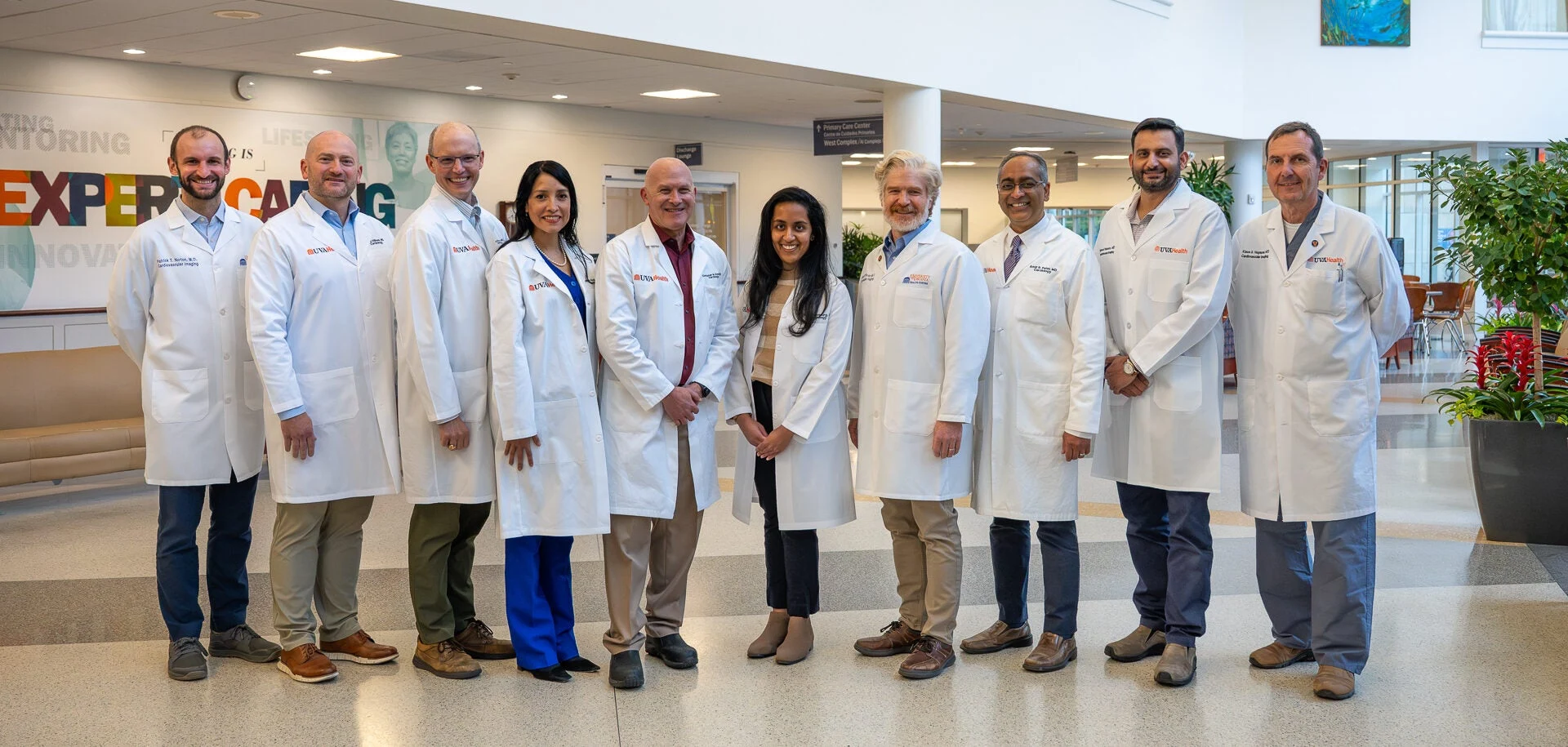
PLEASE NOTE: If you are interested in a Cardiovascular Imaging Fellowship in Cardiology, please click here.
The Department of Radiology and Medical Imaging at the University of Virginia offers one fellowship position in Cardiothoracic Imaging. The fellow’s year of training includes a balanced combination of cardiovascular and thoracic imaging, including hands-on experience in the acquisition and interpretation of cardiac CT and MRI, a full breadth of cross-sectional vascular imaging, and a variety of topics regarding chest and lung imaging.
Fellow Testimonials
“I was fortunate to be introduced to cardiothoracic imaging as a subspecialty option early in my medical education journey through the unique, talented, and engaging chest section at my medical school. I remember when I matched at UVA for radiology residency, I was told that I would receive excellent cardiothoracic training in the section here and do well as a result. I found my expectations exceeded from my first rotation as a resident reading chest radiographs through my final rotation as a fellow reading cardiac MRI. While in training, I thrived not only intellectually and academically, but also personally, finding valuable mentors and forging strong relationships with radiologists in the section who began as my teachers and became my friends and colleagues. The educational experience is tailored to each fellow, meeting them where they are while encouraging supported, graduated independence so that they are ready to run a subspecialty cardiac, vascular, and/or thoracic imaging service when their training is complete. Now as faculty, I continue to learn from my colleagues in an environment that makes it easy to look forward to work every day – with resident and fellow education the bright spot at the center of it all.”
- Thomas Battey, M.D.
"My cardiothoracic imaging fellowship has been an exceptional learning experience, largely due to the outstanding faculty and educators who demonstrated a remarkable commitment to teaching. Their welcoming and enthusiastic approach made me feel integrated into the team, and I was consistently involved in discussions regarding proposed changes and improvements to the program.
The fellowship provided a diverse range of complex chest and cardiovascular cases, significantly enhancing my clinical skills. A notable strength of the program was its structured transition from a fellow to an attending. In the latter part of my fellowship, I was granted autonomy to sign off on my own cases and to conduct read outs with residents. This experience proved invaluable, thoroughly preparing me for my future role as an attending cardiothoracic radiologist.
Overall, my cardiothoracic fellowship at UVA stands out as the most fulfilling and rewarding experience of my entire training period.”
-Nabeel Hassan, M.D.“The cardiothoracic fellowship program has a great curriculum with a strong mix of research, diagnostics, and procedures, but also allows balanced work-life style. Great collegiality with excellent referring physicians is another asset of this program, allowing in-depth experiences covering the scope of cardiothoracic imaging. But most of all, the cardiothoracic imaging division is absolutely filled with great people and respectable teachers.”
- Wooil Kim, M.D.
The University of Virginia School of Medicine is accredited by The Liaison Committee on Medical Education (LCME). The University of Virginia is an Equal Opportunity employer.